

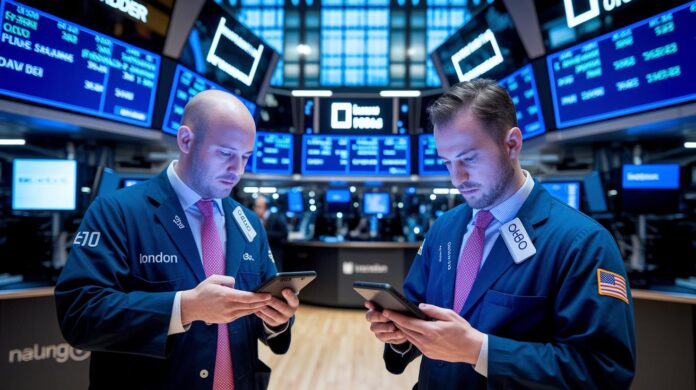
Have you ever wondered how a small group of coffeehouse traders grew into one of the world’s top trading centers? The London Stock Exchange began in 1571 and has steadily evolved into a trusted meeting point where modern technology meets a rich past.
It’s where investors and companies from across the globe come together to manage risks and grab opportunities. Every day, billions change hands here, and the market keeps shifting to meet fresh challenges.
It’s pretty amazing to see how the LSE, with its long history and willingness to adapt, stands today as a bright example of trading excellence.
London Stock Exchange shines with trading brilliance

The London Stock Exchange got its start back in 1571 when a small group of traders met in coffeehouses. That humble beginning eventually led to one of the oldest and most important trading centers in the world. Today, the LSE brings together investors and companies from around the globe, fueling financial markets with its wide-ranging services.
In April 2018, the exchange reached a market value of about US$4.59 trillion, showing just how influential it is. More than 2,000 companies from 70 different countries call the LSE home. It even has separate setups to meet the needs of various investors through primary and secondary market services.
On the primary side, the LSE runs the Professional Securities Market, which handles specific debt issues and depositary receipts, and the Specialist Fund Market, designed especially for big institutional investors. For the secondary market, the exchange offers a wide range of trading instruments, including:
- Equities (stocks or shares in a company)
- Bonds (loans given to companies or governments)
- Derivatives (contracts that depend on an underlying asset’s value)
- ETFs (exchange-traded funds that bundle various assets)
- Structured products (customized financial products)
- Covered warrants (securities linked to an underlying asset)
- Global depositary receipts (documents representing ownership of foreign stocks)
- Gilt-edged securities (high-quality, low-risk bonds)
This rich variety of options helps make the LSE a reliable and trusted platform for trading different kinds of assets. The exchange blends its long history with modern tools like real-time pricing and advanced trading technology, making it easier for beginners and seasoned investors alike to spot opportunities and manage risk.
Evolution and Historical Milestones of the London Stock Exchange

The London Stock Exchange got its start in the cozy coffee houses of old London, where traders jotted down buy and sell orders on scraps of paper. Back then, everything was casual and informal. It wasn’t until 1801, when a Royal Charter was granted, that this loose setup turned into a proper market. In fact, its roots go back even further to 1571, making it one of Britain’s oldest financial hubs. Imagine early investors hunched over their handwritten ledgers, unknowingly laying the groundwork for a global trading powerhouse.
In 1698, something big happened: the London Stock Exchange Group PLC was born, growing step by step into a diverse institution. It wasn’t just about trading anymore; segments like Data & Analytics and FTSE Russell started adding layers of expertise. Then came 1986’s Big Bang, a shift to electronic trading that ramped up speed and efficiency like never before. And in 2007, a major merger transformed the group into the modern LSEG we know today. From its humble beginnings, the exchange’s market value soared, reaching an eye-popping US$4.59 trillion by 2018. Every milestone along the way has brought fresh innovation, ensuring the LSE remains a key player on the world stage.
Trading Operations, Asset Classes, and Session Structure on the London Stock Exchange
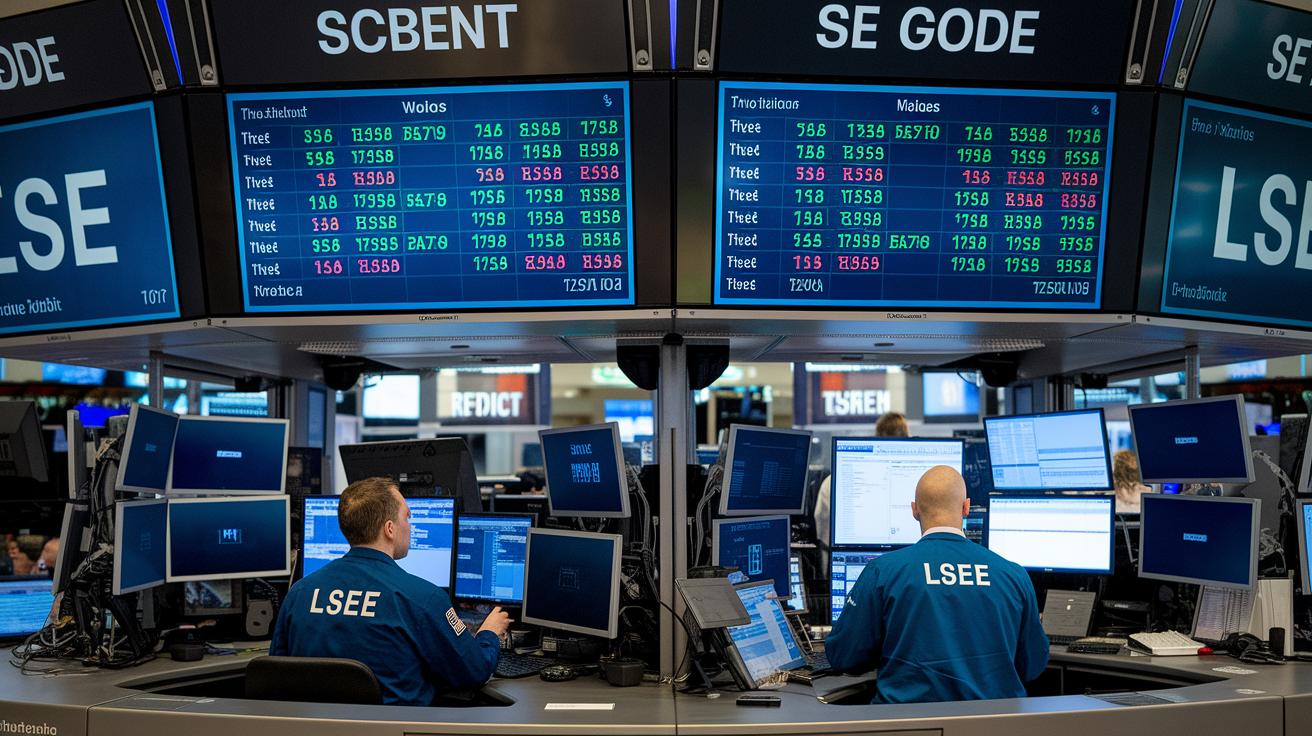
The London Stock Exchange brings together buyers and sellers on a smart digital platform that handles many types of assets, like ownership shares (equities), bonds (fixed income), bundled assets (ETFs), and foreign money trading (foreign exchange). It gives you live pricing and clear technical insights, almost like getting the heartbeat of the market in real time. Orders are matched electronically on the Millennium Exchange, so trades happen in a flash, imagine a lightning-fast handshake that fills in less than a blink.
Trading kicks off with an opening auction at 8:00 GMT when all orders gather to set a fair starting price. After this, the market moves into continuous trading until 16:30 GMT, with a few closing auctions sprinkled in to set the day’s final prices. Once trading wraps up, the post-trade settlement kicks in to ensure every deal is recorded and cleared safely. There are also sessions before and after the main market, pre-market for getting ready and post-market for extra insights, much like a busy train station where every train (or order) arrives right on time.
The Capital Markets and Post Trade pieces tie everything together from beginning to end. They help move orders smoothly to settlement and cut down on mistakes along the way. Whether you’re a small, independent trader or part of a big institution, the LSE supports different trading styles and asset types so everyone can work efficiently. Investors enjoy tools that offer real-time analysis, historical data checks, and clear market signals. All these elements, smart order matching, organized trading hours, and supportive post trade systems, come together to create a trading experience that’s both smooth and reliable. The LSE is always tuning up its tech to meet the demands of global investors, making sure every trade is a step toward success.
Benchmark Indices Managed by the LSE Group

FTSE Russell is part of the LSEG family, and they build key indices that help investors feel the pulse of Britain’s stock market. One of the main highlights is the FTSE 100. You can think of this index as the scorecard for the country’s top 100 companies, ranked by their overall market size.
Then there’s the FTSE All-Share index, which takes things a step further by collecting data from nearly 600 UK-listed companies. This wider index paints a fuller picture of market trends, showing shifts in both the lively and steadier parts of the market. It’s also a go-to benchmark for things like ETFs, futures, and various investment products.
Other indices in the LSEG toolkit break down the market into even finer parts such as large-cap, mid-cap, small-cap, and even specialized sectors. These options let you zoom in on a specific niche or step back to see a broad overview of market performance.
- FTSE 100 shines a light on the top-tier companies.
- FTSE All-Share gives a wide-angle view of the market.
These indices are essential tools for getting a clear sense of how UK equities are performing, helping guide smart and strategic investment choices.
Listing Framework and Regulatory Oversight of the London Stock Exchange
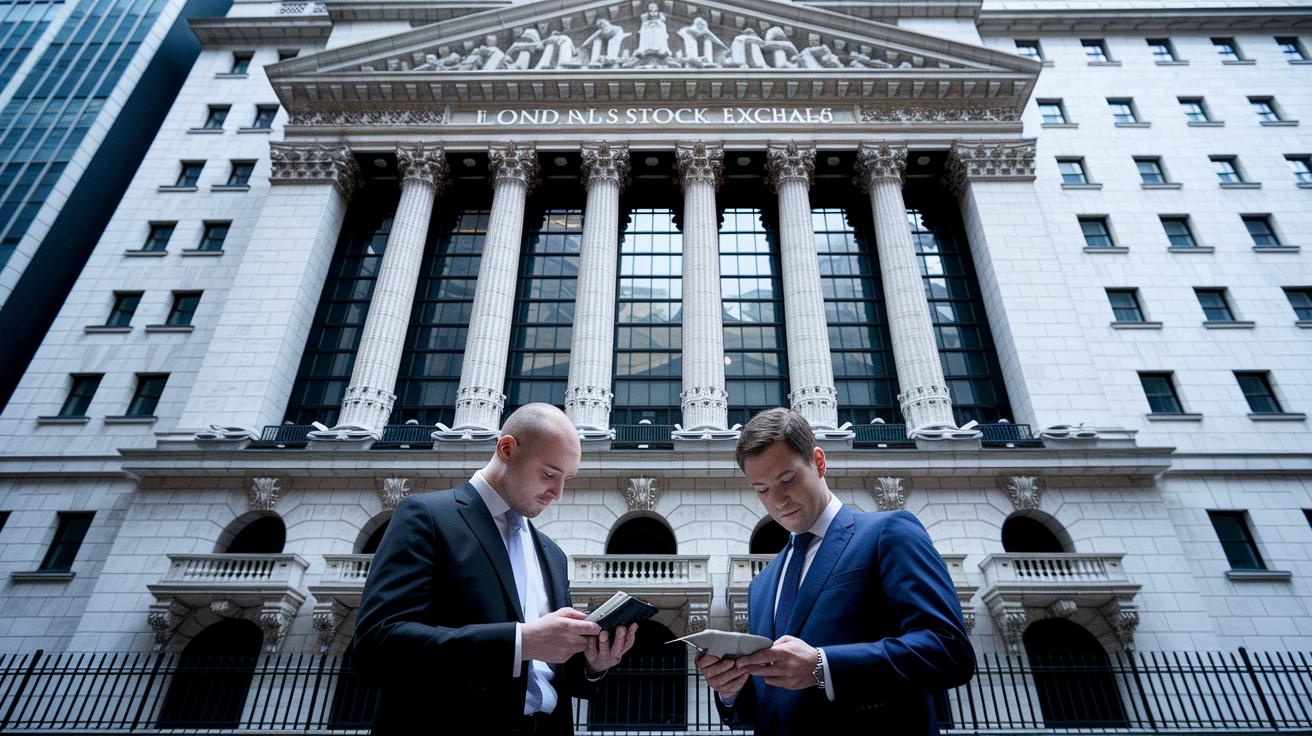
The London Stock Exchange runs under the clear rules of the UK's Financial Conduct Authority. Companies hoping to join the Main Market, Premium, or Standard listings need to clear strict requirements. They must have a minimum free float (the portion of shares available for public trading), audited accounts, and strong corporate governance that builds trust, kind of like joining an elite sports team where every member must pass tough fitness tests.
Capital Markets looks after these listing rules. Then, there are Specialist markets such as the Professional Securities Market and the Specialist Fund Market, which are designed for debt securities and funds for institutions. And throughout each phase of trading, dedicated teams keep a close watch. The Market Surveillance and Enforcement groups monitor for any unusual activity. At the same time, Post Trade services provide key risk insights and accurate regulatory reporting.
- Listing on the Main Market means meeting strict rules for governance and transparency.
- Specialist markets offer paths designed especially for debt and institutional investments.
These thorough checks help make sure that every company on Britain's top trading market meets the high standards investors rely on.
Recent Market Data and London Stock Exchange Group PLC Performance

Today, LSEG stock (ticker: LSEG) closed at 9,346.00, ending a day that was full of lively shifts. Shares bounced around between 9,474.0 and 9,846.0, and over the past year, the price has swayed between 8,096.0 and 12,185.0. These numbers mix a sense of stability with plenty of room for opportunity.
One market watcher put it nicely: "Seeing these figures in real time was like reading a well-scripted play; every act reveals a new twist." It really makes you wonder about each twist and turn in the market, doesn’t it?
| Metric | Value |
|---|---|
| Closing Price | 9,346.00 |
| Daily Trading Range | 9,474.0–9,846.0 |
| 52-Week Range | 8,096.0–12,185.0 |
| Market Capitalization | £50.53 billion |
| Technical Rating | Strong Buy with a projected 22.93% boost in 12 months |
These figures give a daily snapshot of one of Britain’s key trading hubs. With technical signs pointing toward a buy, investors are keeping a close watch on what’s next, especially with the upcoming earnings release on February 26, 2026. Plus, trends in dividend yield and earnings per share are under the microscope, making it easier for both seasoned traders and newcomers to spot potential in this dynamic market.
Strategic Investment Considerations for the London Stock Exchange

The London Stock Exchange opens the door to a world of investment choices if you're aiming to build a UK-based portfolio. It offers a mix of sectors like finance, energy, and consumer goods, each bringing its own taste to balance risk and reward. I like to think of the market as a buffet where every sector adds a unique flavor to your investment journey.
With the FTSE 100, traders, whether big institutions or individual retail investors, enjoy fast trade executions thanks to high liquidity. This means you can jump in and out of trades smoothly, much like grabbing your favorite dish when you're hungry.
Historically, the FTSE 100 has delivered annual returns of about 7–8% after dividends. Investors also get the benefit of solid data and clear risk insights from LSEG. This transparency helps you make smart decisions when you weigh your portfolio’s potential against market ups and downs.
Key considerations include:
| Factor | Description |
|---|---|
| Sector Diversity | A mix of finance, energy, and consumer goods helps balance risk and reward. |
| High Liquidity | The FTSE 100’s quick trade execution ensures smooth entries and exits. |
| Reliable Returns | Historical averages of 7–8% after dividends set realistic growth expectations. |
In essence, these clear, practical factors make the London Stock Exchange a smart choice for anyone looking for stable yet exciting investment opportunities in the UK market.
Final Words
In the action, we explored the history and modern workings of the london stock exchange, from its early roots to its current market dynamics. We broke down trading sessions, key indices, and the regulatory framework that shapes investor confidence. The discussion also highlighted daily market data and strategic opportunities that blend tradition with innovation. Each section stitched together a clearer picture of how market agents can make informed moves. It feels good to round off these insights knowing that even complex market data can guide smart, positive steps forward.
FAQ
What is the London Stock Exchange index?
The London Stock Exchange index, like the widely followed FTSE 100, tracks the top 100 companies’ performance, offering investors a snapshot of UK market vitality.
What are the London Stock Exchange opening hours?
The London Stock Exchange starts with an opening auction at 8:00 GMT and continues trading until 16:30 GMT, including both pre-market activity and closing sessions.
What does the London Stock Exchange Group do?
The London Stock Exchange Group, often known as LSEG, oversees the exchange and provides data services, trading platforms, and analytics that support global financial markets.
What careers are available at the London Stock Exchange?
LSE Careers range from roles in trading and IT to regulatory and data analysis, offering opportunities to work across diverse functions in global financial markets.
What currency is used on the London Stock Exchange?
The London Stock Exchange primarily trades in British Pounds Sterling while some listed instruments may be priced in other currencies, reflecting its global reach.
What is happening at the London Stock Exchange today?
The London Stock Exchange today sees dynamic trading, real-time data, and shifts in indices like the FTSE 100, providing a live picture of market trends and investor sentiment.
When was the London Stock Exchange founded?
The London Stock Exchange was founded in 1571, earning its place as one of the world’s oldest and most influential financial trading centers.
What is the London Stock Exchange called?
The London Stock Exchange is also known as LSE, a widely recognized name in global financial markets that represents its long history and modern trading innovations.
What is the difference between FTSE and LSE?
The FTSE is an index provider that tracks UK market performance, while the LSE is the actual trading venue where companies are listed and shares are bought and sold.
What does the 7% rule in stock trading mean?
The 7% rule in stock trading refers to a historical average annual return seen in certain UK indices, providing a benchmark for expected long-term performance rather than a strict rule.
What are the 7 largest stock exchanges in the world?
The 7 largest stock exchanges include centers in New York, NASDAQ, Tokyo, Shanghai, Hong Kong, Euronext, and the London Stock Exchange, each playing a vital role in global trading.