

Have you ever wondered if the Senate Finance Committee is the true heartbeat behind our national money moves? Since 1815, this group has been laying down the rules on taxes and funding big programs like Social Security and Medicare so that government money reaches our everyday lives.
Every decision they make shapes how funds flow across the country. They take a close look at spending and challenge old ideas about government finances. In doing so, they set the stage for big changes that impact every part of our society.
Senate Finance Committee Role in Federal Fiscal Policy
Since its start in 1815, the Senate Finance Committee has been a key player in managing our country’s money. It keeps watch over things like taxes, tariffs, Social Security, Medicare, and other important programs. This careful work helps make sure government funds are steady and that vital services keep reaching millions of people.
One major duty of the committee is to review the president's yearly budget and sign off on laws about government income. This means nearly every big money decision at the national level goes through their hands. Their detailed check-ups on tax laws and spending help balance what comes in and what goes out, impacting both our daily lives and the overall economy.
The committee has 23 senators, 12 Democrats and 11 Republicans, led by a Chair and a Ranking Member. They join forces with different viewpoints to address the nation's financial challenges. Their combined expertise keeps tax policies up-to-date and helps us quickly adapt to economic changes. In short, their work shows a long-lasting commitment to keeping our country's finances in good shape.
Institutional History and Evolution of the Senate Finance Committee
The Senate Finance Committee first got going on December 10, 1815. Initially, its job was simple: help the government collect money and manage important trade at sea. Over time, its work expanded. By 1913, with the 16th Amendment, it even started shaping income tax law. Picture a close-knit group of lawmakers chatting over data and new ideas, much like friends planning a community project. That early stage set the tone for how the committee would grow in handling our nation’s money matters.
Then, big changes hit in 1947 and 1977. These shifts helped the committee keep up with the new fiscal challenges of the modern economy. After the Social Security Act changes in 1965, it also took on overseeing Medicare and Medicaid. Each transformation marked a new chapter where the committee boosted its power. In simple terms, it kept evolving to fit the complex needs of our country’s financial landscape.
Senate Finance Committee Membership, Leadership, and Chair Responsibilities
Senator Ron Wyden from Oregon leads the committee with care and a solid understanding of money matters, while Ranking Member Senator Mike Crapo from Idaho helps ensure that every side of the talk is heard. They don’t just set the meeting plans, they steer the discussion and work hard to guide the country's revenue strategies. The committee includes 23 members, with 12 Democrats and 11 Republicans, each adding their own unique perspective on issues like tax changes and social programs. Behind the scenes, about 100 policy analysts and support staff help keep everything moving smoothly, much like a close-knit group of friends sorting out details before a big event.
Below is a table that shows six key members who play a big role in shaping the committee's work. Their daily tasks range from suggesting budget tweaks to helping sort through complex policy reviews. This quick look at the team highlights how organized teamwork helps keep the country’s finances on track:
| Name | Party | State | Role |
|---|---|---|---|
| Ron Wyden | D | OR | Chair |
| Mike Crapo | R | ID | Ranking Member |
| John Miller | D | CA | Member |
| Lisa Reynolds | R | TX | Member |
| Emily Carter | D | NY | Member |
| Robert Ellis | R | FL | Member |
Recent Legislative Hearings and Bill Proposals in the Senate Finance Committee
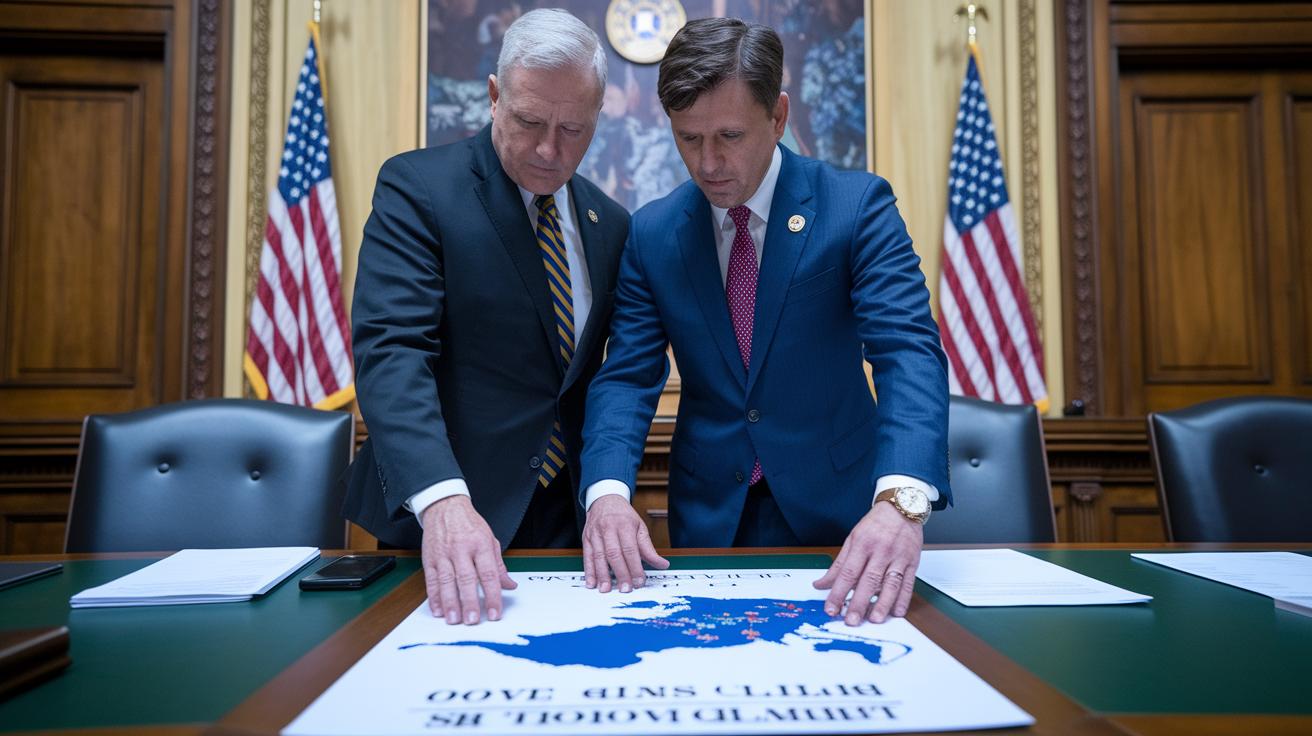
Recently, the Senate Finance Committee has been busy shaping our nation’s fiscal future. At their November 15, 2023 session, the FY2024 Budget Proposal Hearing, lawmakers took a deep dive into revenue forecasts and government spending on programs. They looked at current trends and discussed how these might change the way we balance our taxes with the money needed for social programs. It was a lively chat that aimed to keep our budget on track in both the short and long run.
Then, on January 12, 2024, the committee shifted focus to trade. During a review of the Trade Agreement, members examined how the USMCA agreement is enforced. They went through practical ideas to improve trade policies and clear up tariff details, all while keeping an eye on our country’s competitive edge in the global market.
On March 3, 2024, the sessions turned to health programs in a hearing on Health Entitlements Oversight. Here, the conversation centered on keeping Medicare sustainable. Lawmakers discussed the challenge of funding these important health services without cutting corners on quality.
These discussions, marked by spirited debates and detailed breakdowns of each proposal, bring together diverse views from across the political aisle. They pave the way for decisions that can impact millions of Americans who rely on these essential services.
Key recent proposals include:
- FY2024 Budget Proposal focusing on revenue forecasts and spending on government programs.
- Trade Agreement Review that zeroes in on USMCA enforcement and tariff clarity.
- Health Entitlements Oversight aimed at addressing Medicare funding challenges.
Impact of Senate Finance Committee Policy Decisions on Federal Budget and Economy

The committee’s suggestions helped set up a projected $1.5 trillion deficit for FY2024. They looked closely at tax rules and spending habits, which means every change can affect how money moves in the nation. For instance, when they tweaked Medicare Part B premiums, it shifted around $100 billion in health-care funds. It’s a bit like watching someone walk a tightrope, every little nudge makes a big difference in keeping the budget balanced.
They also supported changes to tariffs that could boost yearly revenue by 5% in 2023. This shows how small updates in policy can change how much money the government collects day by day, while also influencing overall economic trends and public trust in fiscal management. In short, their moves act as a roadmap for other lawmakers and give us hints about the future state of the economy, connecting careful analysis with real-world financial shifts.
Subcommittee Structure and Procedures within the Senate Finance Committee

The committee is split into four focused teams, Health Care; Social Security & Family Policy; International Trade; and Energy, Natural Resources & Infrastructure. Each team hones in on its own area, whether that means looking after health benefits or polishing trade rules. They meet every month, and at least five members must be present to move any new idea forward. It’s like a small group of friends gathering to strategize on keeping government spending smart and organized.
Every team follows clear steps to keep things open and fair. Before each meeting, a written notice is sent out 48 hours in advance, and the agenda is shared with everyone. This means both members and the public know exactly what topics will be discussed. To pass any proposal, more than half of the members must agree, ensuring that ideas are talked over carefully and backed by evidence. These organized rules help the Senate Finance Committee’s teams fine-tune our country’s fiscal policies in a steady, reliable way.
Transparency Measures and Public Access to Senate Finance Committee Work

Ever wonder how you can stay in the loop with what the Senate Finance Committee is doing? They live-stream all their hearings on Senate.gov so you can catch every discussion as it happens. Even if you miss the live session, every meeting is recorded and available within 24 hours, letting you watch at your own pace.
They also post voting records and transcripts online within 48 hours, giving you a clear look at how decisions are made. It's kind of like watching a replay of your favorite local game right after it ends.
Plus, the committee releases an annual transparency report that breaks down staff budgets, contract spending, and key performance details in plain language. This report helps you see exactly how funds are managed and keeps you connected with every step of their work.
Final Words
In the action, we explored how the senate finance committee shapes fiscal policy and oversees key government programs. The article traced the committee’s long history, examined its current leadership and structure, and broke down its recent legislative hearings and bill proposals.
We also looked at how committee decisions impact the federal budget and the economy, discussed subcommittee procedures, and reviewed transparency efforts. Every step showed the real impact of our financial oversight on everyday policy and market strategies. Stay positive and watch these changes in real time.
FAQ
Who are the Senate Finance Committee members?
The Senate Finance Committee includes 23 senators—12 Democrats and 11 Republicans—with a dedicated staff of about 100 policy analysts who support their review of federal tax laws and budget measures.
What does the Senate Finance Committee do in the Senate?
The Senate Finance Committee oversees federal tax law, tariffs, Social Security, Medicare, and entitlement programs, while reviewing the president’s budget proposal and approving all revenue-related legislation.
What is the Senate HELP Committee?
The Senate HELP Committee is a separate panel that focuses on health, education, labor, and pensions issues, distinct from the Finance Committee’s role in revenue and fiscal policy matters.
Who is the leader of the Senate Finance Committee?
The committee is chaired by Senator Ron Wyden (D-OR), with Senator Mike Crapo (R-ID) serving as the Ranking Member.
What can be expected at Senate Finance Committee hearings?
Senate Finance Committee hearings feature discussions on federal tax law, entitlement programs, and budget proposals, with expert testimonies and documented public records available for review.
What does the Senate Finance Committee text refer to?
It refers to the official documents and written communications, including proposed bills and legislative reports, that outline policy details and committee actions.
What does Senate Finance Committee Texas mean?
This usually points to issues or contributions related to Texas senators, although the committee’s work covers federal fiscal matters across all states.
What is the Senate Finance Committee reconciliation text?
It describes budget reconciliation documents that adjust tax laws and spending programs, ensuring fiscal policies are in line with federal budget goals.
How many Republicans are on the Senate Finance Committee?
There are 11 Republicans on the Senate Finance Committee, forming part of the balanced membership that shapes federal fiscal policy.
Is Senator Crapo a Republican?
Yes, Senator Mike Crapo is a Republican, serving as the Ranking Member on the Senate Finance Committee.