


Have you ever wondered if one simple set of rules could help businesses run smoother worldwide? Imagine companies following a clear path through tricky market ups and downs, instead of getting tangled up in different rules from one region to the next.
Right now, more than 70% of companies face challenges because they have to deal with a mix of changing regulations. Today, we're breaking down how clear, standard guidelines could bring more order and build investor trust across borders.
Stick around, and let’s see how a higher standard on the international stage might give businesses the boost they need to succeed.
global markets regulatory environment: Elevating International Standards
Unified rules help companies run smoothly around the world. When businesses know what to expect from a consistent set of guidelines, they can more easily build policies that match global standards. It’s like having a clear map that leads firms safely through different market conditions, boosting investor trust along the way.
Over 70% of businesses say that keeping up with all the rules is a big challenge. Every region has its own set of demands, leaving companies juggling multiple rulebooks at once. This maze of legal standards, mixed with the fast pace of digital changes (that is, companies need to update their systems all the time), makes things really tricky.
Here’s a quick look at some key regulations:
| Regulation | Focus |
|---|---|
| EU GDPR | Data protection, regular audits, and staff training |
| AML Initiatives | Know Your Customer (KYC) and transaction monitoring to curb financial misdeeds |
| Basel III | Ensuring banks have enough capital and liquidity |
| US FCPA | Fighting bribery and corruption |
| MiFID II | Boosting market transparency and clear investor reporting |
Taking a step back to look at these guidelines together can really help shape a smarter compliance plan. By spotting where rules overlap or where there might be gaps, companies can simplify their internal policies. In the end, this thorough review cuts out wasted effort and lights the path to meeting global standards, making it easier for businesses to thrive across borders.
Regional Regulatory Structures Shaping Global Markets
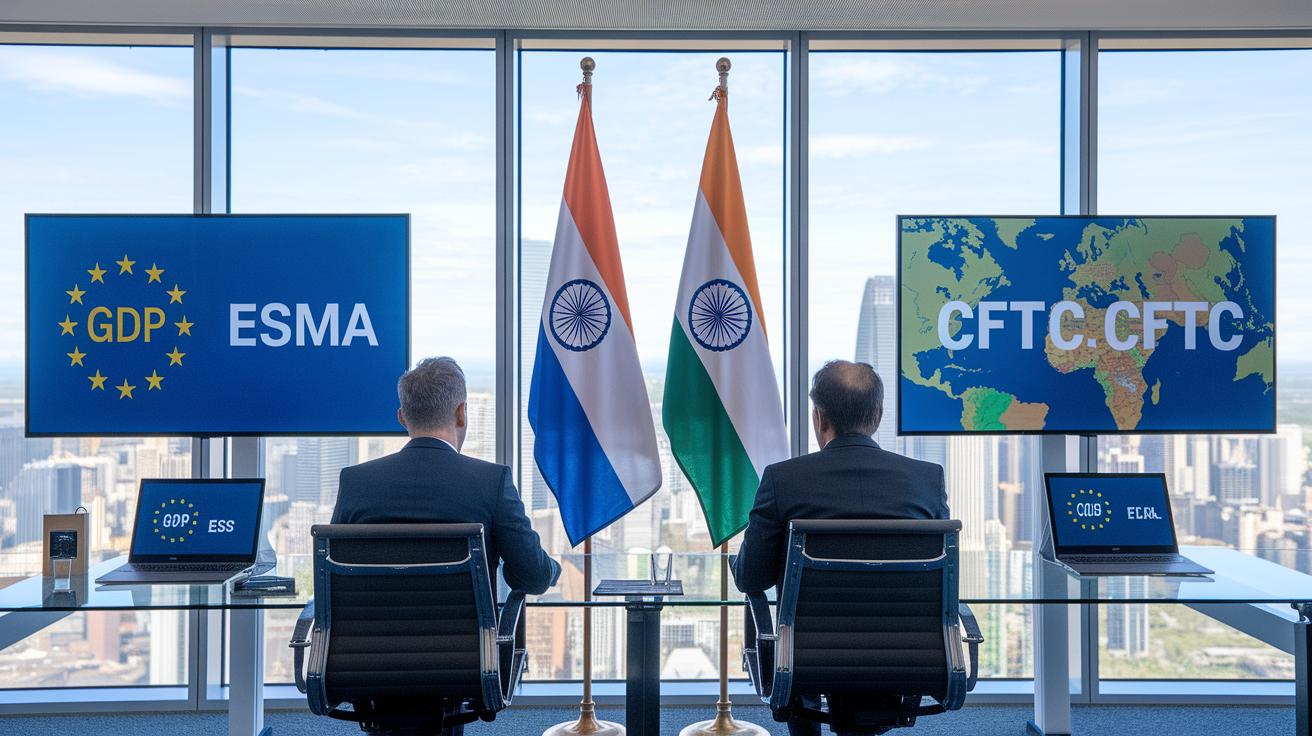
Regulators around the world follow different rules that directly affect how companies guard your data, handle investments, and run market activities. In Europe, for example, frameworks like GDPR and insight from ESMA set strong rules for data protection and clear market practices. Over in the United States, groups such as the SEC and CFTC work to monitor securities and derivatives trading. And then you have places like India and regions like the Middle East and Africa, each with their own requirements, which means companies must stay nimble when they operate across borders.
| Region | Regulatory Body | Key Focus |
|---|---|---|
| Europe | GDPR / ESMA | Data protection, market transparency |
| United States | SEC / CFTC | Securities oversight, derivatives |
| China | CSRC / PBOC | Digital finance, capital controls |
| India | SEBI | Disclosure, investor rights |
| Middle East & Africa | Various | Basel III, AML adoption |
Handling such a range of rules can be a real juggling act. When you look at these regions, the political and economic backdrops differ a lot, what works smoothly in one market might seem odd in another. Plus, local attitudes about openness and sharing information add extra layers of challenge. Companies often find that keeping on track with these diverse rules means they must keep a close eye on changes and continuously tweak their policies. This constant adjustment pushes them to build stronger governance systems and creative ways to make sure they meet global standards.
Cross-Border Compliance Standards in the Global Markets Regulatory Environment
Companies working in different countries often face a jumble of rules that can seem to conflict with one another. Sometimes, one country's policy might support a business practice, but the very next rule in another country might put up restrictions. It’s like trying to complete a puzzle where the pieces keep changing shape. This challenge of matching different legal views, document needs, and reporting rules shows that a one-size-fits-all strategy just doesn’t work in today’s global markets.
But cross-border compliance isn’t just about reading legal texts, it’s about truly understanding different cultures and having leaders who know how to navigate change. Companies must train their teams to pick up on local market details and risk factors, almost like learning a new language where every detail matters. And leaders need practical skills in handling change, managing crises, and making tough decisions to steer the company through rough patches. Real-world training, where unexpected events like sudden policy shifts serve as wake-up calls, can really build that kind of resilience.
Many smart companies are now turning to detailed case studies and constant feedback loops to manage compliance risks effectively. They review past hurdles and learn from them, turning obstacles into chances to work smarter. Ongoing analysis and the willingness to adjust are not just about ticking legal boxes, they can actually give a firm a competitive edge in a continuously shifting regulatory landscape.
Emerging Trends in the Global Markets Regulatory Environment

Digital innovations are speeding up how regulators make decisions around the world. New tools, like AI systems, work quickly to spot odd market movements before small issues become big problems. Blockchain creates strong, unchangeable records, which help stop any attempts to fiddle with data. And digital testing grounds let companies and regulators try new ideas in real time, making sure each innovation fits the rules as it grows. Real-time data tools help update policies faster, keeping rules aligned with the market’s current pace. In short, both regulators and businesses are stepping up with the latest tech to keep up with our fast-changing digital world.
Technology-Driven Regulatory Enforcement
AI acts like a vigilant sensor, spotting unusual market behavior and alerting experts when things don’t look right. Blockchain works as a secure logbook, recording every transaction in a way that’s nearly impossible to tamper with. And smart RegTech solutions take on mundane compliance tasks automatically, saving time and reducing the chance for mistakes.
These tech advances make the whole enforcement process smoother while boosting transparency and quick response times. As companies adapt to these changes, they find a more stable and confident environment for making international investments.
Strategies for Effective Regulatory Compliance in Global Markets
Setting up a clear governance plan is key to staying on top of changing legal rules. A smart compliance board, with clear roles and regular check-ups, acts as the backbone of a strong oversight plan. It makes sure every department is up to date so that any gaps in practice are spotted quickly. Regular audits not only check if rules are being followed but also build a daily culture of responsibility.
Targeted training sessions and routine risk checks are just as vital. Companies should design easy-to-understand training that covers the latest legal changes so everyone gets the details. Think of it like preparing for a test: regular workshops, interactive webinars, and hands-on modules (like this risk assessment training: https://dealerserve.com?p=654) help turn complex rules into simple steps that protect the firm and its investors.
A solid crisis plan, scheduled policy updates, and ongoing monitoring complete the picture. By setting clear steps to follow in a crisis, companies can jump into action fast if any mistakes pop up, reducing damage and protecting their reputation. Keeping internal policies fresh with updates means the rules always match new laws. In essence, by constantly checking and reworking their controls, companies build a flexible system that meets today’s needs and is ready for tomorrow’s challenges.
Evaluating Impact on Investment Risk within the Global Markets Regulatory Environment

Rules such as those in Basel III help smooth out the wild ups and downs of global markets. For example, these guidelines have lowered major price swings by about 15% in key areas, which helps to level the playing field for everyone involved. Banks and similar companies are required to keep strong cash reserves, which means they have a little cushion when things turn unexpectedly.
This steady framework not only helps firms plan their investments and handle potential risks but also boosts overall market trust. When companies follow clear rules, their reputations improve and fewer legal issues arise, leading to more consistent financial results. All of this adds up to making it simpler for investors to understand and manage risks, no matter where they are in the world.
Case Study: EU Data Protection Enforcement
When stricter data handling rules under GDPR brought fines, many companies quickly updated their systems. One firm saw a 25% drop in security breaches after it acted fast, which also reassured investors. This example shows how strong enforcement of protection rules doesn’t just help one company, it creates a safer and more stable investment environment overall. These real-world lessons help shape better strategies for handling risks and responding swiftly to new challenges in today’s competitive global market.
Final Words
in the action, we explored how a unified look at regulations helps investors manage risk and boost confidence. We saw key rules, EU GDPR, AML initiatives, Basel III, US FCPA, and MiFID II, shaping compliance standards across different regions.
Our discussion highlighted digital tools and modern enforcement methods challenging old practices. Embrace these insights along with smart strategies to strengthen your portfolio in the global markets regulatory environment and keep moving forward.
FAQ
Global markets regulatory environment examples
The global markets regulatory environment includes examples like EU GDPR for data protection, AML initiatives for monitoring transactions, Basel III for capital standards, US FCPA for anti-corruption, and MiFID II for market transparency.
The ability to compete and participate in the global market is which of the following terms?
The ability to compete globally refers to a company’s competitive edge based on robust compliance practices, financial sturdiness, and strategic positioning in international markets.
Market regulation drawbacks
Market regulation drawbacks involve challenges such as increased administrative costs, slower process innovation, and potential bureaucratic hurdles that may weigh on a firm’s flexibility and growth.
Deloitte regulatory Outlook 2025
The Deloitte Regulatory Outlook 2025 offers projections on emerging compliance challenges and digital enforcement trends, alerting companies to prepare for shifts in global regulation and evolving market standards.
Entering into global business in the U.S. includes which of the following advantages?
Entering into global business in the U.S. provides advantages like access to a vast consumer base, strong legal protections, advanced infrastructure, and a dynamic environment for innovation and growth.
What are the advantages of deregulation?
The advantages of deregulation include lower compliance costs, faster market response times, and increased flexibility, which can drive innovation by reducing red tape and streamlining business practices.
What does the regulatory environment include?
The regulatory environment includes all governing laws, standards, and guidelines that oversee market behavior, spanning financial compliance, data protection, and operational rules, ensuring accountability in global commerce.