


Have you ever wondered why global markets sometimes shoot up? It might be all about liquidity, which is just a fancy way to say how easily banks can borrow money or turn assets into cash.
Central banks often shake things up with their policy moves. Just look at what's been happening in the U.S. and China, it's like watching ripples spread across a pond.
When you check out these trends alongside key numbers, you start to see what really moves the market. This conversation helps both investors and policymakers tune into the real heartbeat of our financial systems.
Global Markets Liquidity Analysis: Current Trends and Drivers

Michael Howell explains global funding liquidity as a financial system's ability to keep rolling over debt when it has strong balance sheets. In simple terms, it's how well banks can keep borrowing money. Market liquidity, on the other hand, is all about how quickly you can change an asset into cash without messing up its price. In this discussion, we’ll look at how central banks and shifts in money supply are shaking up liquidity around the world.
Take the Federal Reserve, for example. In 2023-24, they used tools like reverse repos and changes to the Treasury General Account to pump in about $400–500 billion into the system. This big move shows how central banks can really influence cash flows across financial institutions. Researchers even run quantitative studies using frameworks like global markets research to see the ripple effects of these actions.
Across the globe, China’s People’s Bank has loosened its policies so much that the yuan and gold prices more than doubled in just 18 months. This kind of shift shows how fast asset values can change when a central bank tweaks its money supply. Also, note that 80% of collateralized lending depends on U.S. Treasuries, acting as a handy signal for how healthy market liquidity is. Analysts use these figures along with innovative market trend tools to paint a picture of the overall financial flow.
Experts now predict that global liquidity will hit its peak around 2025 to early 2026 before it starts to decline. By understanding the difference between funding liquidity and market liquidity, investors and policymakers can get a clearer view of today’s fast-moving financial landscape.
Key Liquidity Metrics for Global Market Depth
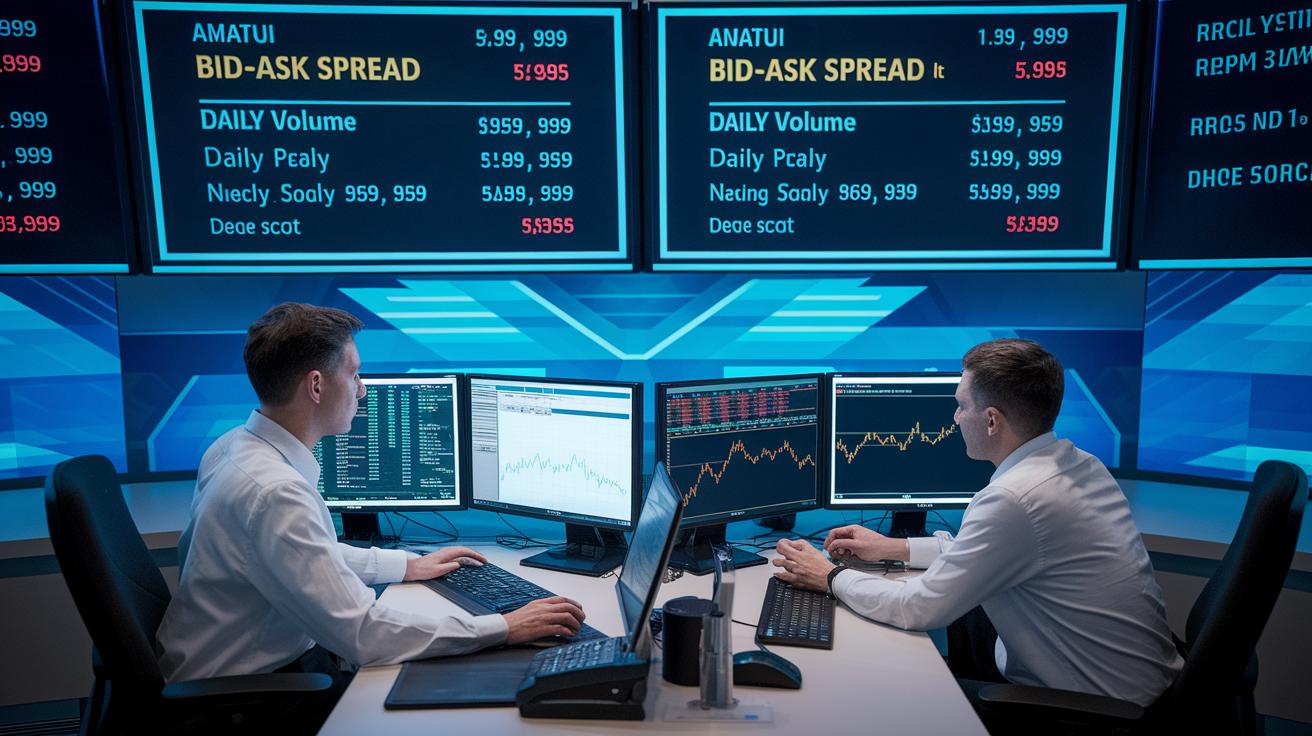
When we talk about market depth, we’re really looking at the numbers that show how smoothly money and assets move around. Global Liquidity Management platforms mix several accounts, use automatic cash sweeps, and update balances right away. Think of key indicators like bid-ask spread, daily trading volume, repo rate, and collateralized lending ratio as the heartbeat of the market. Imagine a day when trading volume shoots up, like a busy shop where so many items are exchanged quickly, it's hard to miss the buzz.
These numbers tell us a lot about how easy it is to get credit and convert securities, plus they shed light on the strength of the equity market and how fast derivatives are turning over. The bid-ask spread shows the gap between the prices buyers and sellers settle on, while daily trading volume sums up all the shares or contracts traded. The repo rate, which is the cost of borrowing money overnight using assets as collateral, can affect how much extra you pay. And the collateralized lending ratio reveals the share of secured loans in the total funding mix, an important clue about trading turnover.
| Metric | Definition |
|---|---|
| Bid-ask spread | The gap between the prices buyers and sellers agree on |
| Daily trading volume | The total shares or contracts traded in a session |
| Repo rate | The cost of borrowing money overnight using assets as collateral |
| Collateralized lending ratio | The share of secured loans compared to total funding |
Global Markets Liquidity Analysis Sparks Robust Gains

When money moves across borders, it really shapes how cash flows around the world. Companies and banks now use smart systems that pool cash and make automated transfers across regions. This makes moving funds simple, even when country borders try to slow things down.
Sometimes, strict rules and foreign exchange controls can cause hiccups. For example, delays in settlement cycles can turn money that should be moving freely into funds that just sit there waiting, kind of like standing at a bus stop when the bus is running late. It’s a clear sign that shifts in trade balances and offshore money flows need constant attention.
In these tricky situations, firms turn to creative cash-pooling techniques to cut down on delays. Automated transfers not only speed up cash movement but also help smooth over bumps in changing regulations. In places with tight controls, money may trickle slowly, whereas regions with open policies see funds move faster. This split has a big impact on how global markets operate.
Investors and managers keep a close eye on these subtle changes, using real-time tools to compare different markets and currencies. Their careful, hands-on analysis is what sparks strong gains in global liquidity.
Fiscal and Monetary Policy Impacts on Market Liquidity

The Fed recently added around $400–500 billion into the system using tools like reverse repos and changes to the Treasury General Account. Think of it like opening extra faucets to fill an empty pool quickly. Over in other parts of the world, places such as the People’s Bank of China have eased up on their policies, mixing their own money solutions and further boosting the flow of cash. Picture this: bank reserves suddenly climbing by hundreds of billions, setting the stage for rapid trading moves.
Looking ahead, there’s a big challenge on the horizon in 2026–27. A huge amount of U.S. short-term debt will need to be rolled over quickly. This could stretch liquidity as high interest costs lead investors to shift away from traditional bonds. It’s like trying to cook a meal when you suddenly run out of a key ingredient, many might switch to assets like gold, silver, or large company stocks, which tend to do better when borrowing costs go up. This situation is prompting portfolio managers to pay close attention to rollover forecasts and adjust their asset mixes.
In essence, the mix of immediate cash injections and the pressure from upcoming debt rollovers creates a unique set of market challenges. Investors must balance the quick cash provided by both Fed and global actions with the risk that a surge in maturing short-term debt could tighten available funds. This evolving dynamic calls for a careful review of how debt rollover timings might influence asset choices.
Systemic Risk and Stress Test Outcomes in Liquidity Evaluations

Advanced treasury systems keep a watchful eye on liquidity weak spots. Think of them like a mechanic checking your tires before a long drive. They keep track of repurchase agreement trends – which means they monitor how assets back overnight loans – to spot potential issues before they become bigger problems.
Stress test results offer us even clearer insights into market risks. These regular tests check reserve buffers and solvency ratios, or in simple terms, how ready banks are for sudden financial shocks. Imagine a row of dominoes: if one falls, it can trigger the rest. These tests use systemwide contagion measures to see how stress can spread across the financial network. They also track operational uncertainties so that even unexpected issues can be caught early.
Banks and other institutions use these findings to adjust their risk management strategies, much like running a safety drill. The combination of thorough stress tests and detailed collateral valuations paints a clearer picture of systemic risk. It not only shows the current financial health but also highlights potential vulnerabilities under pressure. This ongoing review helps forecast problems before they upset the balance, adding an extra layer of strength to our financial markets.
Global markets liquidity analysis sparks robust gains

Investors are changing up their portfolios to keep pace with shifting liquidity (how easily assets can be bought or sold). Howell suggests keeping at least 40% of investments in assets that help protect against inflation, think gold, silver, Bitcoin, prime real estate, and large-cap stocks. These choices act like a safety net when the market feels risky and help you keep your buying power strong as cash tightens.
Imagine adjusting your investments like you’d tweak a recipe for your favorite dish. For instance, you might add extra gold during a market slump, kind of like sprinkling just the right amount of salt to boost flavor. These smart moves might ease market ups and downs and boost returns over time.
Investors would do well to explore strategies that mix steady inflation hedges with quicker, growth-focused picks. By arranging their funds like layers in a well-made sandwich, every dollar has a chance to work harder, no matter how the market changes.
Final Words
In the action, we broke down how funding and market liquidity interact as central banks and fiscal moves shape market behavior. We looked at liquidity metrics like bid-ask spreads, daily trading volumes, and the forces behind cross-border capital flows. By tying real-time data with policy impacts, we offered insights on adjusting investment strategies for shifting conditions. This global markets liquidity analysis sheds light on the current pulse of the market, setting the stage for confident, well-informed investing. Keep your eyes on the trends and stay positive about tomorrow.
FAQ
What is global liquidity?
Global liquidity describes the overall availability of funds that let assets be easily bought and sold. It is measured using metrics like bid-ask spreads, trading volumes, and repo rates.
What is global market liquidity?
Global market liquidity refers to how quickly assets can be traded on worldwide markets. It factors in funding access, market depth, and trading activity to determine efficiency.
What does a global liquidity chart indicate?
A global liquidity chart indicates current trends in market liquidity by tracking key metrics such as repo rates and trading volumes, offering a real-time snapshot of market conditions.
How can I analyze market liquidity?
Analyzing market liquidity involves reviewing indicators like bid-ask spreads, daily trading volumes, and collateralized lending ratios to assess trading ease and overall market stability.
Is there a global liquidity index?
A global liquidity index exists, compiling monetary flow and trading activity data in one metric. It offers investors a comprehensive view of liquidity trends across different markets.
What is a global liquidity chart live?
A live global liquidity chart continuously updates to reflect current market conditions. It provides real-time data on liquidity metrics, supporting timely investment decisions.
How do I use the Global Liquidity Index on TradingView?
The Global Liquidity Index on TradingView offers interactive, real-time charts displaying liquidity trends. Traders can monitor funding shifts and market dynamics directly on the platform.
What’s new with the global liquidity chart 2024?
The global liquidity chart for 2024 presents updated trends driven by recent central bank actions and monetary shifts, offering investors fresh insights into evolving market dynamics.
What data does global liquidity data provide?
Global liquidity data offers detailed insights on market health, including key metrics like trading volumes, bid-ask spreads, and repo rates, which help investors understand market conditions.
What is expected for global liquidity in 2025?
Forecasts suggest that global liquidity will peak in 2025 due to central bank actions and debt rollover strategies. This outlook is crucial for planning shifts in investment strategy.
Which market has the highest liquidity?
The U.S. market typically enjoys the highest liquidity, thanks to robust trading volumes and active participation, which maintain tight bid-ask spreads and efficient price discovery.
What is a global markets liquidity analysis PDF?
A global markets liquidity analysis PDF is a document detailing trends, metrics, and drivers influencing liquidity. It provides investors with a structured overview of market dynamics and funding conditions.