


Have you ever wondered if technology could really change how money moves around the world? Lately, new breakthroughs are speeding up deals and cutting costs. It’s like watching a relay race where teams in different countries pass ideas quickly to boost business. With online tools and real-time data, investors and companies can now see market trends more clearly. In short, advanced tech is fueling growth by linking markets and making global trade simpler for everyone.
How Technological Innovations Are Reshaping Global Markets

Recent tech breakthroughs are making it easier to send money and goods across borders. Transactions are now cheaper and faster, and companies can tap into economic reports and market trends in real time. Online tools help investors and businesses watch consumer habits and track competitors, turning a busy market into something much simpler to understand.
Cloud platforms and video calls have totally changed how teams work together. When folks from different countries jump on a call, ideas flow quick, like runners in a relay race passing the baton. This smooth chat lets even small businesses reach customers around the globe.
Modern supply chains are riding this wave of change too. Data now streams live from factories to warehouses, making operations more connected and decisions quicker. Think of it like fixing a car when every part is right there: everything goes smoothly and costs stay down.
One cool example is when Porsche brought in a former McLaren boss to lead a tech makeover. This smart move shows how old-school industries are jumping onboard with digital changes to boost their game in the international market.
Digital transformation is tying different parts of global markets together. It helps businesses merge complex supply chains into one smooth, efficient system. With more money going into live data and better cross-border work, these tech advances are sparking growth all around the world.
The Role of AI and Automation in Modern Global Markets
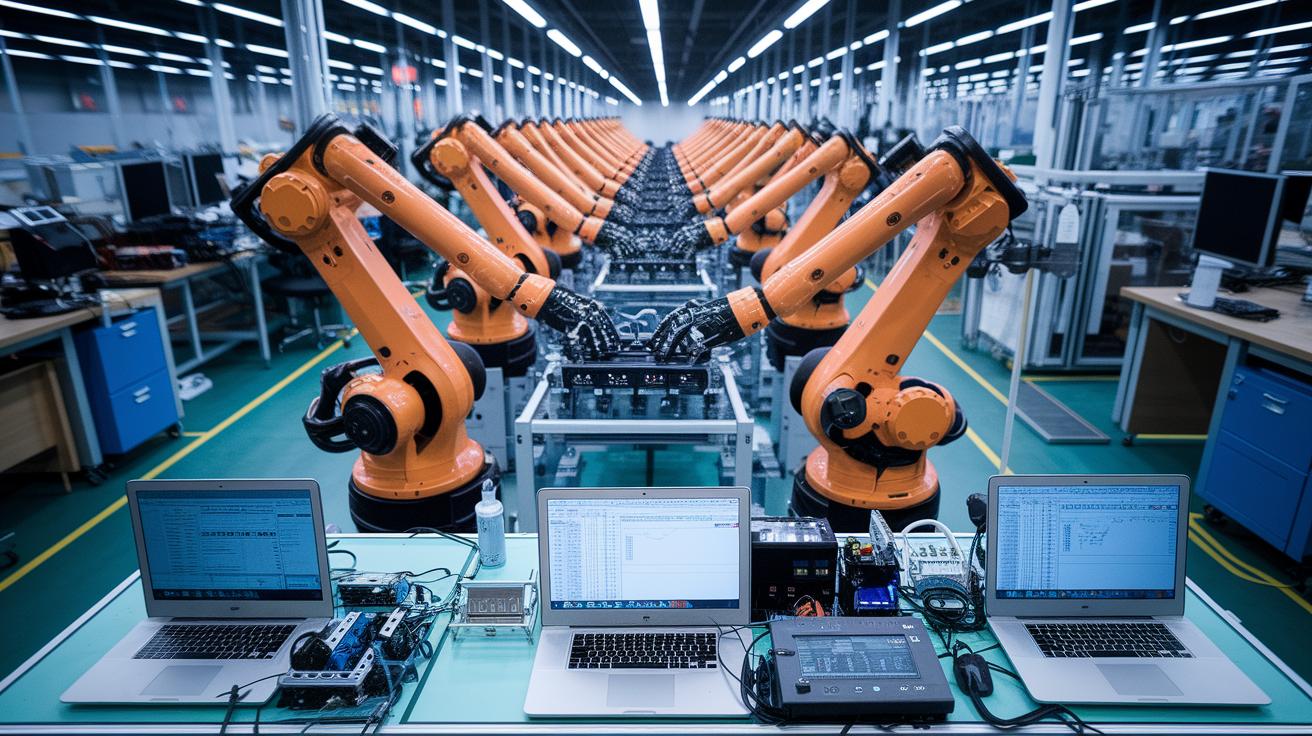
AI, machine learning, and automation are shaking up the way we work, from factories to financial offices. They handle tasks that used to be done by hand, meaning companies can work faster and more accurately. Think of a factory where robots piece together parts with a level of precision that once relied on human hands. It’s almost like witnessing a high-tech dance where every move is synced perfectly.
High-frequency trading is another exciting area where tech is making waves. Sophisticated algorithms sort through tons of data and execute trades in mere fractions of a second. Imagine a busy trading floor where decisions flicker on like a light switch, swift, smart, and totally in tune with the market’s rhythm. These systems not only trade at lightning speed but are also tweaking traditional financial products to better match today’s fast-changing markets.
Industry 4.0 is bridging the gap between physical work and digital smarts. By linking sensors and machines with cloud-based data, companies can keep an eye on their operations as they happen. This real-time monitoring means if something goes off track, it’s caught early, helping avoid costly delays and downtime.
When robotics streamline production or smart trading systems adjust strategies in a split-second, the result is a clear jump in efficiency and productivity. Simply put, AI and automation aren’t just buzzwords, they’re the driving forces setting the new standard for how global markets operate today.
Blockchain and Digital Finance Disruption Across Borders
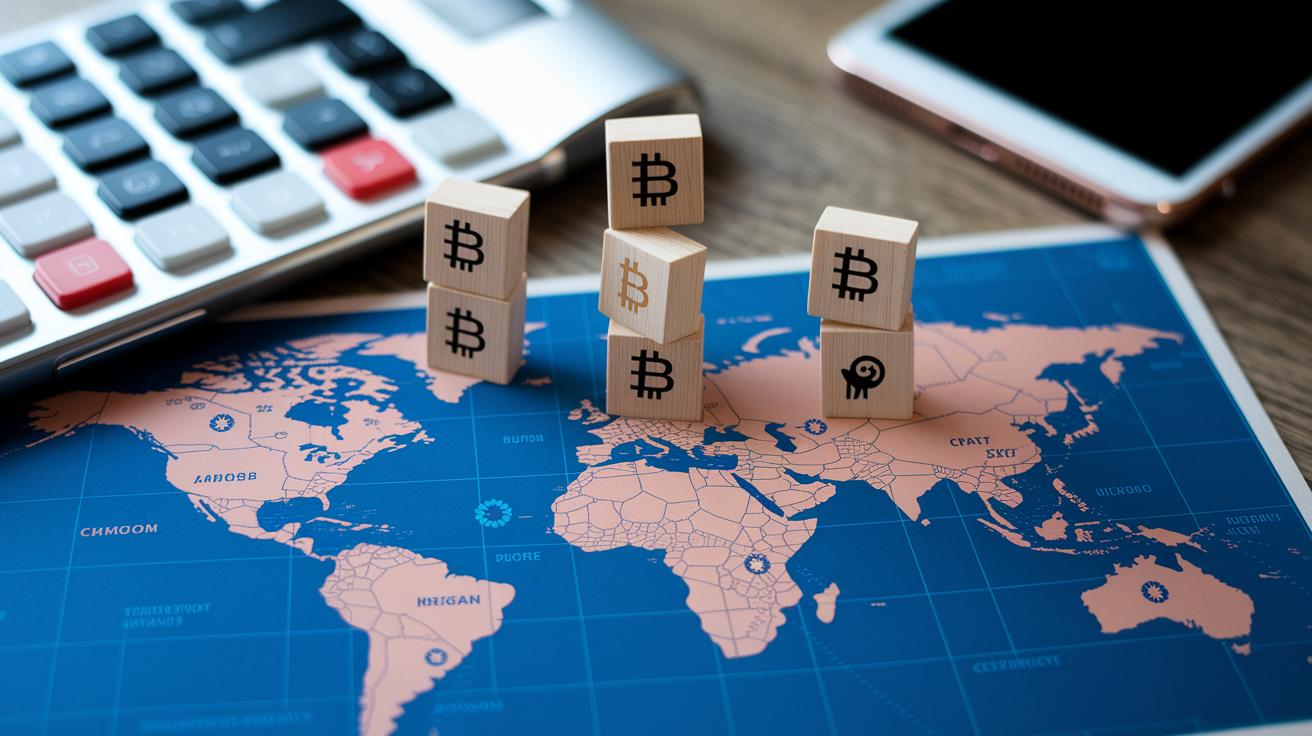
Blockchain is shaking up international payments by making them quicker and more affordable. It uses a shared digital ledger that lets companies and everyday people skip the usual middlemen. What this means is every step of a transaction is recorded forever, so you get a clear and secure process which builds trust, especially in markets facing high risks.
Across emerging markets, digital currencies and fintech platforms are turning to blockchain's reliable system for safe money transfers. This new wave of technology is literally redrawing the financial map, making systems more honest and opening up fresh paths for digital finance. Many believe these ideas could boost global competition and lower the everyday risks businesses face.
Key benefits of blockchain include:
- Faster and cheaper cross-border payments.
- Clear, step-by-step transparency in transactions.
- Permanent records that can’t be changed, which build trust.
- A move away from relying on central authorities.
- Easier adaptation to new digital currency rules.
- Better risk management for companies in emerging economies.
Blockchain’s power in this digital finance revolution is clear. It delivers smooth international transactions while molding a safer global market, setting the stage for even more exciting financial innovations ahead.
Enhancing Supply Chain Efficiency Through IoT and 5G
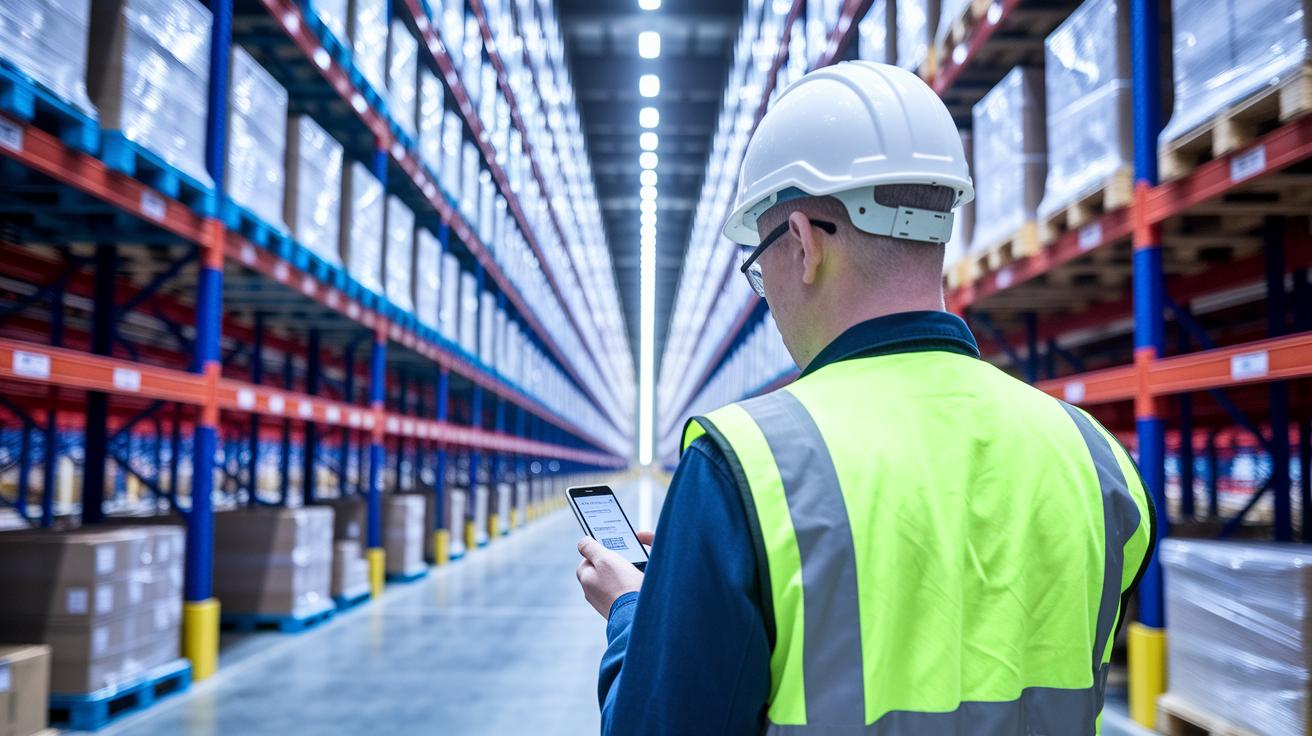
IoT sensors and 5G have opened up a new era of real-time tracking for goods. Imagine being able to keep an eye on production lines, warehouses, and even transportation routes from your phone, it’s a bit like watching your car on the go. With smart logistics systems in place, businesses can quickly check inventory and fine-tune delivery routes using wireless communications, cutting down delays nearly instantly.
Digitizing the supply chain brings production, warehousing, and transportation data into one neat package. By linking devices with fast, reliable 5G, companies can practically watch their shipments live, much like streaming a video of your favorite show. This instant connection means everything is on the same wavelength, reducing wait times and ensuring each part communicates clearly.
The expansion of the Internet of Things is reshaping how goods travel across the globe. Wireless networks now handle everything from managing inventory to planning the best route, which leads to fewer mix-ups and on-time deliveries. It’s as if every step in the supply chain is working together, so your package gets to you just when and where it’s needed.
Cybersecurity and Digital Infrastructure in Global Market Stability

Cybersecurity isn't just a tech term, it’s the very foundation of trust in our global markets. Today’s digital threats mean we need systems that protect sensitive financial data and help keep market ups and downs in check. Tools like encryption (which scrambles data so only the right people can read it) and network segmentation (dividing a network to stop fast spreading problems) keep international transactions secure. And strict digital trade rules help process e-commerce and financial information safely, cutting down risks like data breaches and fraud.
Businesses now face the task of weaving these security practices into different digital systems. Think of it like tightening every bolt on a bridge; if even one is loose, the whole structure is at risk. With data zooming around the globe in seconds, our connected world needs stronger tech foundations and sharper tools to spot digital disruptions.
It’s not easy to balance ground-breaking innovation with foolproof safety. Companies are juggling high-speed data transfers and cloud services while making sure any risk is kept to a minimum. Layers of security, from using multi-factor authentication (extra steps to check who you are) to the trust built by blockchain technology, come together to keep our crucial systems strong. This robust digital trade security not only steadies international financial platforms but also supports growth driven by new technology.
| Security Measure | Description | Impact |
|---|---|---|
| Encryption | Encodes data to protect it during transmission | Secures communication across borders |
| Multi-factor authentication | Uses extra steps to confirm identity | Reduces risk of unauthorized access |
| Network segmentation | Splits networks to contain breaches | Minimizes the spread of threats |
| Blockchain integrity | Maintains an unchangeable record of transactions | Enhances trust and transparency |
Cloud Computing and Big Data’s Impact on Global Market Analysis
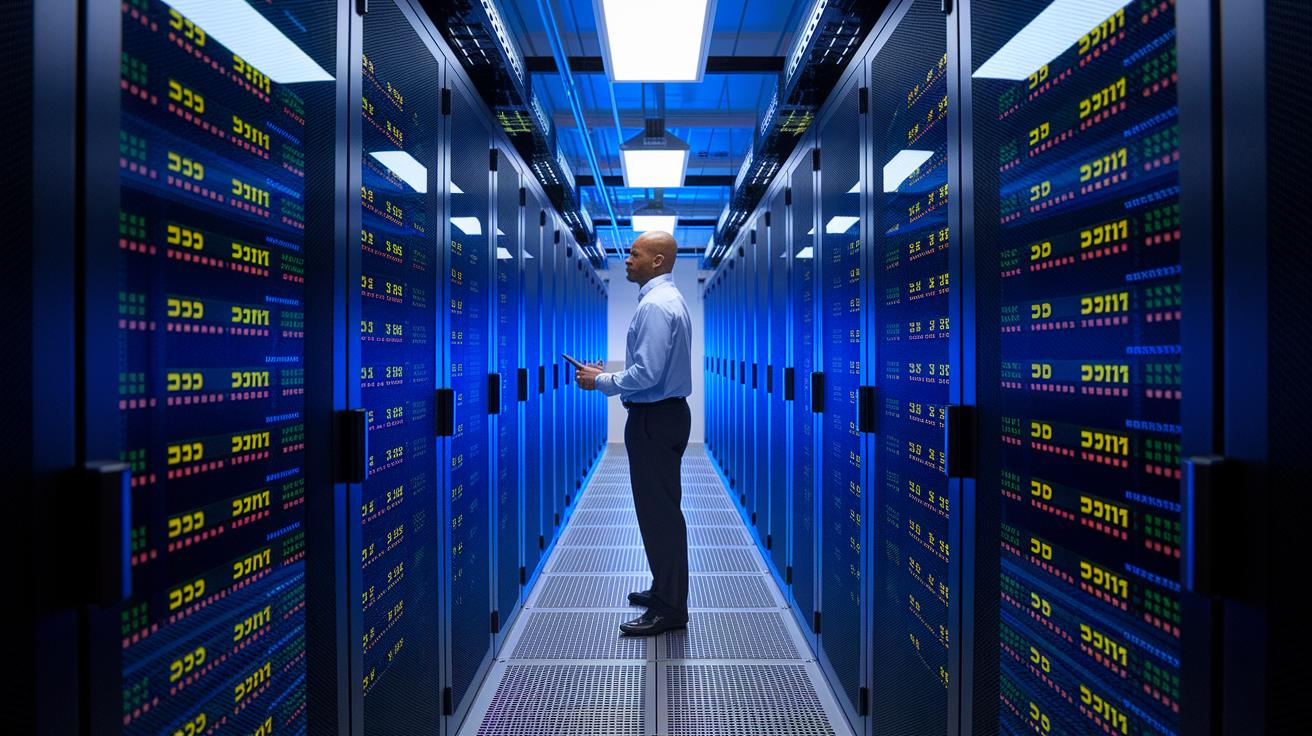
Cloud platforms are shaking up how money is managed around the world. They offer a flexible system that grows with the market’s ups and downs. Imagine this: one cloud server can crunch as much data in one minute as old systems might take hours to process.
Big data helps us sift through huge piles of information to spot trends and get a clear picture of what buyers are doing. Whether you’re keeping an eye on stocks or tracking spending, this analysis gives you useful insights. With real-time data processing, businesses can quickly make smart decisions and manage risks, almost like flipping a switch.
Digital platforms built on cloud and big data allow companies to interact smoothly with their customers. Stores and service providers can now offer personalized experiences, using fresh data to meet each customer’s needs. And as more companies move to the cloud, they save money and enjoy greater flexibility, just like a well-tuned engine making the ride smoother.
These cutting-edge tools are driving stronger and more agile economic systems across borders. For example, businesses can use live data from global financial markets to sense trends and adjust fast, while platforms fueling digital finance innovation set the stage for a bolder financial future.
Future Technologies Shaping Global Markets: Quantum Computing and Beyond

Quantum computing is set to speed up market simulations and boost data security with advanced cryptography. Imagine a machine that can crunch huge amounts of information in a blink, kind of like switching from a slow typewriter to instant messaging.
Innovation hubs in places like Silicon Valley and Shenzhen are buzzing with fresh tech ideas. They’re building tools that could reshape online marketplaces and create new ways to do business. Next, early versions of 6G communication promise to help us share data worldwide in real time.
Global tech teams are starting to work together more closely, opening up chances for smart new investments and a richer network of ideas. With quantum computing and other cutting-edge tools joining forces, we can look forward to smarter financial decisions, faster data exchanges, and a smoother flow of market information.
In short, when powerful tech like quantum computing, rapid communications, and international collaboration link up, they’re set to spark major growth, change market structures, and create fresh competition around the world.
Final Words
In the action, we explored how tech innovations, from AI and blockchain to IoT and cloud analytics, are shaking up market dynamics. Each section painted a vivid picture of smarter trade, faster transactions, and more secure global operations.
This deep dive into global markets technological advancements leaves us with a sense of optimism for future progress. Embrace these insights and keep your portfolio agile. Positive changes are not far off, and a brighter market future awaits.
FAQ
How are global market technological advancements documented in PDFs, essays, and reviews?
The documentation of global market technological advancements appears in PDFs, essays, and annual reports. These formats explain improvements like faster transactions and smarter market analysis, providing clarity for both experts and new investors.
What are the top technology trends and new technologies projected for 2025?
The top technology trends for 2025 include AI evolution, advanced robotics, blockchain expansion, quantum computing, 5G connectivity, and IoT innovations. Notable reports outline these trends as key drivers in reshaping markets.
How has technology changed the global market economy and its development?
Technology has changed the global market economy by speeding up information exchange, cutting costs, and enhancing operational efficiency. Digital platforms, cloud computing, and smart automation facilitate smoother transactions and growth.
What are the four emerging technologies making an impact today?
The four emerging technologies typically include AI and machine learning, blockchain, 5G connectivity, and IoT. Each plays a pivotal role in modernizing operations and boosting market productivity.
What is the role of technology in emerging global markets?
The role of technology in emerging markets is to improve transaction speed, lower costs, and provide deeper market insights. Innovations from big data to cloud platforms empower businesses to operate and compete internationally.