

Ever wonder if our planet’s shift toward green energy might spark a new economic boom? There’s a growing trend where investors are pouring money into projects that cut pollution and use cleaner energy sources, like wind and solar. Billions of dollars are moving into these ventures, proving that making money and being eco-friendly can go hand in hand.
In this post, we’ll chat about how trends in sustainability, from ESG investments (that look at environmental, social, and governance issues) to the rise of green power, aren’t just good for the earth, they’re also fueling economic growth. It’s like watching the pulse of real-time data, showing us that the future of money might just be a little greener.
How Sustainability Trends Are Shaping Global Markets

ESG assets, which cover environmental, social, and governance factors, could reach $40 trillion by 2030. Investors are moving their money from older industries to projects that meet stricter sustainability standards. Imagine billions of dollars shifting into ventures that not only satisfy regulations but also boost the economy – a smart way to balance risk and reward.
And it’s not just about the planet. Governments are encouraging companies to cut back on fossil fuels and switch to renewable energy. This change helps businesses lower their costs while staying competitive, and it supports the goal of net-zero emissions. Companies of all sizes are adapting by using greener practices, which is changing how energy is produced and creating new opportunities in the market.
Meanwhile, the rise of electric vehicles is pushing up demand for key minerals like copper, lithium, cobalt, nickel, and rare-earth elements. Think of it as a surge similar to what we see when a new video game hits the shelves – everyone wants a piece of it. This trend is prompting market players to adjust their strategies and build flexible portfolios that can handle the growing need for these critical resources while driving economic growth alongside sustainability efforts.
Financing Renewable Energy Projects in Global Markets
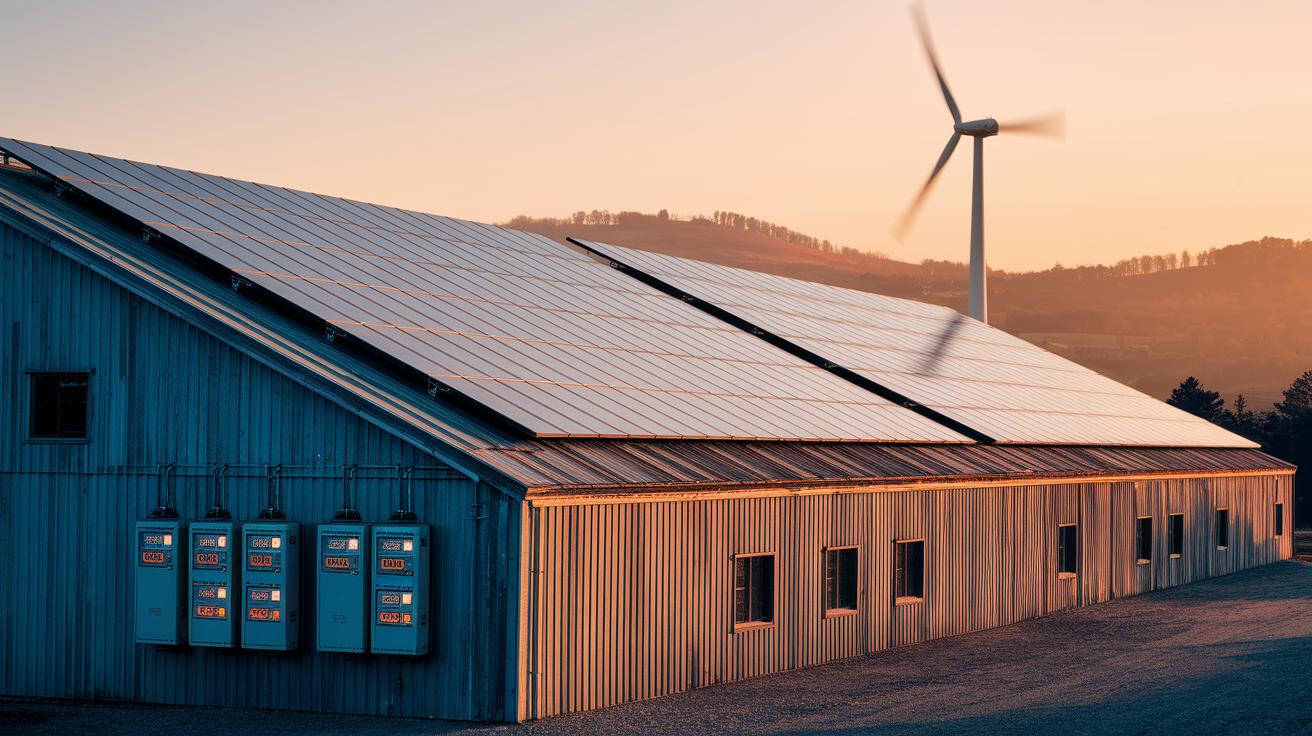
Imagine turning old factories, offices, and warehouses into modern powerhouses with solar panels and wind systems. Retrofitting these buildings not only boosts their overall value but also lowers operating costs by making them more energy efficient. Think about a warehouse that once wasted energy now saving so much that it can even fund its own upgrades, it’s like one small spark lighting up a much bigger flame for economic growth.
Green bonds, transition finance, and a mix of public and private funds are driving this change. These financial tools are on the rise, growing at about 12% a year, which helped investors direct around $500 billion into clean-power projects in 2024 alone. For instance, picture a community center powered by both onshore and offshore wind farms, thanks to a unique blend of government support and private money, leading to huge savings on energy bills and a smaller carbon footprint.
Across North America and Europe, public-private partnerships are also at work. Local governments often require renewable energy sourcing to hit strict decarbonization goals. One big city even joined forces with private developers to retrofit its municipal buildings, which not only created local jobs but also secured a stable and greener energy supply.
Real-world examples show companies updating their commercial spaces with smart energy-management systems. These systems monitor energy use in real time and make rapid adjustments, kind of like a thermostat that knows the perfect setting even before you ask.
In the end, this fresh wave of financing doesn’t just upgrade buildings, it sparks innovation and supports continuous market improvements made possible by thorough, data-driven research. Every dollar invested is a step toward a stronger and more sustainable economy powered by renewable energy, paving the way for a cleaner and more resilient future.
Decarbonization Roadmaps and Regulatory Shifts in Global Markets

Regulatory changes are steering companies as they shift toward cleaner energy. Much like a surprising financial report can quickly alter market moods, an update in climate disclosure rules can reshape entire supply chains. New decarbonization plans are urging firms to revamp their long-term strategies by adopting stricter environmental benchmarks.
The EU Green Deal and CSRD guidelines are leading this movement. Companies now need to upgrade their Environmental, Social, and Governance (ESG) reports to meet tougher standards, a push that gained real momentum when IOSCO backed the ISSA 5000 in November 2024. This shift is prompting businesses to fine-tune their reporting processes and adjust management practices for increased compliance.
At the same time, fresh U.S. regulations, including changes to SEC climate disclosures, hint at tariffs on carbon-heavy imports. This could mean higher costs for firms that lean on traditional energy sources. Investors and market watchers are paying close attention, with studies showing how these rules can shift the flow of money across borders and change investment patterns.
De-globalization and local sourcing rules add another layer of complexity. Companies are rethinking their supply chains and coming up with innovative strategies that turn local production mandates into advantages. Think of it like assembling a puzzle: when every regulatory piece fits perfectly, challenges transform into opportunities for economic growth and stability.
Sustainable Supply Chain Strategies and Critical Minerals in Global Markets

Big companies are now using tracking systems to check where their copper, cobalt, and lithium come from. This helps cut down on issues caused by political unrest and environmental worries. Think of a tracking system like a digital map that shows every step a mineral takes, from being mined to its final use. It’s like having a checklist to ensure every ingredient in your favorite meal is top quality.
Local rules in regions like the EU and North America are also pushing firms to build nearby refining and battery assembly centers. By moving production closer to home (a process called nearshoring), companies can keep a closer eye on quality and meet local regulations. It’s a bit like a small business choosing to make its products at home instead of overseas, this way, they avoid delays and unexpected costs.
Digital tools and blockchain systems play a big role too. They work like a digital ledger that tracks minerals from the mine right to you. For example:
- Start with clear documentation – Picture a system where every step of a mineral’s journey is logged, much like tracking a package until it arrives at your doorstep.
- Adopt blockchain platforms – Think of blockchain as an unchangeable receipt that keeps all data safe and honest.
- Build local capabilities – Imagine production happening closer to home, which creates jobs and reduces risks linked to long supply lines.
Overall, these approaches not only cut down political and environmental risks but also lay the groundwork for a circular economy, a system where resources keep getting reused. By keeping supply chains smooth and making the most of digital tools, companies are ready to handle market shifts while pushing for sustainable economic growth.
Tech-Driven Sustainability Innovations in Global Markets

Digital tools and smart computers are changing how companies take care of renewable energy and eco-friendly challenges. AI systems can spot potential equipment troubles before they turn into major hassles, imagine sensors waving a little flag to the team, saving lots of money and keeping things running smoothly.
New startups are diving in too, using things like automation and internet-connected devices (what we call IoT, which just means gadgets that talk to each other) to cut down on water waste and keep power grids steady. In some early tests, these clever tweaks have trimmed costs by up to 25%. Picture a water system that keeps an eye on usage all day, adjusting the flow on its own to save water, it’s like having a smart helper keeping everything in check.
Then there are cool platforms that keep track of carbon footprints. These tools work a bit like a digital ledger, giving you an easy-to-read dashboard with live updates. They even help companies follow big rules like SFDR or EU Taxonomy by making the reports simpler to handle. Just think about checking your phone to see how much carbon you’ve saved, it sounds pretty neat, right?
Even the world of digital money (fintech) is pitching in to fund projects that care for the earth. With a mix of AI, IoT, and blockchain (that’s a fancy way of saying a very secure record-keeping system), businesses are finding smarter ways to watch their impact, cut expenses, and boost reliability. It’s a fresh take on handling money and the planet at the same time.
Ethical Investment Strategies for Sustainable Global Markets
Impact investing shot up by 18% in 2024. Big players like pension funds and insurers put $300 billion into projects that help both people and the planet. Instead of just chasing profits, investors now want their money to do good, much like choosing a meal that’s both tasty and healthy.
Many investors are turning to carbon-credit markets and green bonds. These tools earn between 4% and 6% and work like a double win: steady returns while cutting emissions. Think of it as planting a seed that later blooms into a flower and brings more life to your garden.
Another handy tool is transition-finance products. They help big industries meet short-term emission goals while saving money for bigger clean energy projects down the road. It’s a bit like slowly saving up for a big purchase where small, regular contributions eventually pay off.
Here are some simple strategies you can use:
- Invest in green bonds that fund renewable energy and energy-saving projects.
- Dedicate part of your portfolio to carbon-credit markets to encourage eco-friendly practices.
- Use transition-finance solutions to support companies in meeting tougher emission rules.
By following these steps, you’re aligning your money with global sustainability. It’s like building a balanced meal plan where each ingredient not only nourishes you but also supports the health of our planet.
Measuring and Reporting Sustainability Impacts in Global Markets
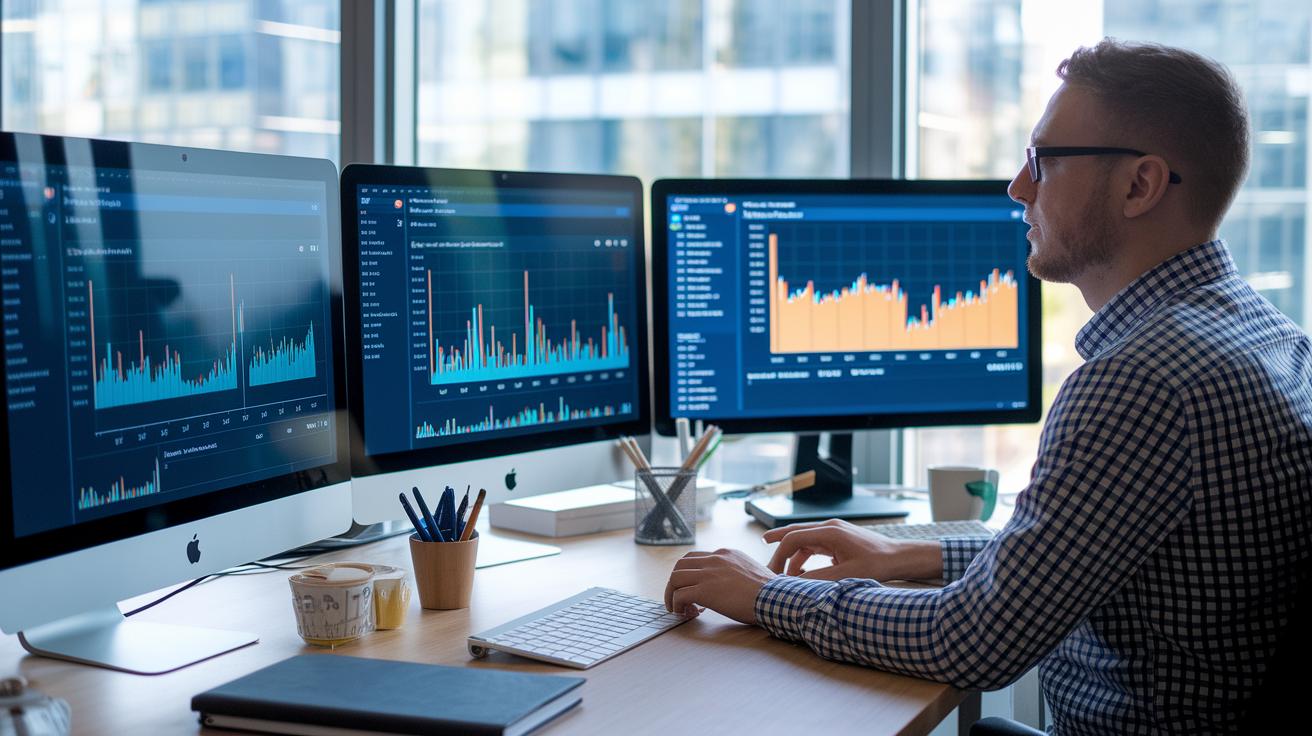
Global standards for reporting sustainability are coming together around well-known frameworks like ISSB, CSRD, SBTi, and PCAF. With IOSCO giving its nod on November 14, 2024, companies feel the pressure to keep up by providing clear and honest reports. Today, businesses can use smart tools that help them choose the right metrics, securely load their data, manage tasks, share documents, and even build custom dashboards. Imagine these dashboards as control panels that give you a sneak peek into a company’s environmental performance in real time.
Platforms are now evolving to not just track compliance but also offer insights you can use right away. Take Novata’s recent acquisition of Atlas Metrics, for example. This move brings enhanced carbon accounting by blending regulatory tracking with project management and data analysis. It means businesses can see if they’re meeting their environmental goals while keeping their data safe and fully traceable.
The best practices now involve entering data in an organized way, checking progress regularly, and sharing important documents among all key players. And here’s a fun twist: think about how Marie Curie once carried test tubes of radioactive material without knowing the risks ahead. By adding storytelling into reporting, dry compliance tasks get transformed into lively and clear processes that truly support global sustainability efforts.
Final Words
In the action, we explored how sustainability is redefining market dynamics. We checked out ESG-driven capital flows, renewable energy financing, and decarbonization roadmaps that shift risk and opportunity. We also spotted tech tools and ethical investment ideas that help make smarter moves. Clear supply chain models and robust reporting round out the picture. With these insights, global markets sustainability trends really put a bright light on the power of sustainable finance. Embrace the change and keep building your resilient portfolio.