


Have you ever noticed how a tiny drop in bond yields might signal something exciting ahead? Lately, U.S. Treasury yields have slipped just a bit and municipal bonds are in shorter supply. It’s like the market is gradually building up strength. And with central banks making small policy shifts that ease yield pressure, all these trends seem to be paving the way for fresh opportunities for investors.
Latest Trends in Global Bond Markets

On October 10, 2025, at 6:55 AM ET, we saw some interesting shifts in the bond market. The 10-year U.S. Treasury yield dipped by 3 basis points, landing at 4.11%, while the 30-year yield also slid down by 3 basis points to 4.69%. On the shorter end of the spectrum, the 2-year note dropped by just 1 basis point to 3.58%. These small changes show how investor feelings can sway market trends right as they happen.
Bloomberg noted that the supply of municipal bonds available in the next 30 days fell by $4.467 billion, bringing the total down to $11.309 billion compared to the 12-month average of $13.748 billion. This reduction hints at a tighter market, which might lead to different pricing in upcoming sessions. Many market watchers are keeping an eye on these changes, especially since they come just before the University of Michigan consumer sentiment report, adding a bit of extra uncertainty and opportunity.
Central Banking Adjustments and Monetary Policy Impact on Bonds

Major central banks are stepping in to shape the future of bond markets with strategic policy tweaks. The Federal Reserve paused its rate hikes in September, and most experts now see less than a 20% chance of another increase in December. This break has eased pressure on short-term yields, and investors are watching closely to see how these changes might affect long-term bonds.
For example, before the news cycle picked up steam, the Fed’s move hinted at a trend that caught many off guard. These small yet sharp adjustments can send ripple effects through the entire market. Over in Europe, the European Central Bank is slowly winding down its PEPP program. This shift nudged Germany’s 10-year Bund yield up by about 5 basis points as investors adjusted their expectations.
Across the Pacific, the Bank of Japan is keeping a close watch on its yield curve control, sticking to a narrow band between 0.0% and 0.25% to keep Japanese Government Bonds stable. And in the United Kingdom, the Bank Rate remains steady at 5.25%, even as inflation shows signs of easing. Years of quantitative easing , that is, when central banks buy lots of bonds to help boost the economy , have added over $4 trillion to their balance sheets and reshaped yield curves in a big way.
All these moves together paint a picture of a bond market that could be heading for significant changes. It’s like having a conversation with a friend about the market’s pulse , clear, straightforward, and full of important insights to help guide your next steps.
Sovereign Debt Dynamics and Regional Bond Trends

European Sovereign Yields
Europe’s country bonds tell a lively story about how each nation handles its money. The U.S. 10-year yield sits at 4.11%, while Germany’s 10-year Bund is much lower at 2.45%. That 166-point gap shows just how different their financial choices are. Italy’s bonds have edged up by 7 points to 4.95% as worries over a growing budget gap make investors a bit uneasy. And in the United Kingdom, the 10-year Gilt climbed 4 points to 4.22%, with a better trade balance easing some concerns. It’s a bit like walking through a busy market where every stall has its own pricing story.
Asian Government Securities
Over in Asia, government bonds are finding their balance in a changing economy. Japan’s 10-year bond is steady at about 0.50%, reflecting the Bank of Japan’s long-term plan. In China, the yields on 10-year bonds have nudged up by 2 points, now hovering at 3.25%, indicating small market shifts. India tells a different tale, its 10-year yield has gone up by 3 points to reach 7.00%, pointing to tighter debt conditions and some fiscal challenges. Together, these moves reveal how each nation uses its own approach to manage debt amid shifting global trends.
Corporate Bonds and High-Yield Market Performance

U.S. investment grade corporate bonds are still showing their strength. Their spreads have tightened to 105 bps over Treasuries, a 4 bps drop from earlier this week. That drop tells us investors are feeling more confident about the chances of default, even though there’s still some uncertainty in other parts of the economy. This steady movement also sparks broader talks in global capital markets, where fresh views on corporate liabilities are slowly shifting how portfolios are built.
High-yield bonds are riding a similar wave. Yields on HY B-rated bonds have fallen to 7.80%, which is 10 bps lower, thanks to strong retail inflows. This decrease shows that many market players are starting to see value in these riskier bonds, balancing their quest for higher returns with caution over potential defaults. It’s a sign that investors are rethinking how they price in credit risk.
In the world of credit ratings, Moody’s recent actions left a mark. Fifteen issuers got upgrades, while eight, mostly in the energy and retail sectors, faced downgrades. This mixed bag of results reflects the market’s careful re-evaluation of corporate debt. Meanwhile, corporate debt issuance has surged to $90B in the week ending Oct 8, compared to the recent average of $75B. All these shifts, tightening spreads, rating moves, and a jump in new debt, signal that corporate bonds and high-yield investments are set to continue playing a big role in shaping market strategies.
Emerging Market Credit and Currency Risk Assessment

Investors are noticing some clear trends in emerging market credit reports. They’re watching how rising borrowing costs mix with concerns about fiscal stability. For instance, Brazil’s 10-year bond yield is at 12.40%, up 15 basis points amid election worries. This jump shows that people feel uneasy about upcoming political changes, which could mean tougher borrowing conditions and more unpredictable funding.
Turkey, on the other hand, faces clear credit troubles. Its 10-year yields have climbed to 18.50%, rising 50 basis points after the lira lost value. This sudden spike is a warning sign about growing currency risk, which is something investors should really keep in mind when weighing their potential returns.
Then there’s Mexico, offering a steadier picture. Its yields hold steady at 8.10%, backed by a stable fiscal outlook. This sort of steadiness makes it easier for investors to feel confident even when other markets seem shaky. Plus, emerging market bond ETFs saw an inflow of $200 million this week after four straight weeks of outflows. That fresh flow of cash helps improve market liquidity and can lower financing costs, even though borrowing costs internationally are still being closely monitored.
In short, these shifts give a mixed picture. Some countries are battling currency risks and heightened volatility, while others maintain a solid fiscal stance. It’s a reminder that investors need to balance the risks and rewards, taking note of the different credit challenges and economic fundamentals that exist in emerging markets.
Yield Curve Signals and Forecast Analysis for Bond Investors

Have you been keeping an eye on the yield curve? Recent figures show a surprising twist: on October 9, the U.S. 2s-10s curve dipped into negative territory by 10 basis points, a movement we haven't seen since 2019. This tells us that short-term rates have nudged above long-term yields, which often signals that investors are expecting slower economic growth. Plus, the 5-year versus 30-year spread now sits at 40 basis points, reinforcing concerns about a shifting economic pace.
Market forecasts add more color to this picture. Experts predict the Fed funds rate will hit a high of 5.50% in the first quarter of 2026 before easing down to roughly 4.75% by the end of the year. Meanwhile, forward curves suggest that the 10-year yield could climb to 4.25% by March 2026. These signals don’t just influence debt pricing, they offer a peek into how fast inflation might cool off. Curious? Check out the linked inflation graph (https://gotocryptos.com?p=728) to see how it all connects.
For bond investors, it’s a smart move to keep these shifts in mind. Even small changes in key rates can ripple through analyses like credit yield evaluations and interest rate forecasts, nudging investors to re-check their strategies. Every basis point matters when you’re balancing risk and potential return.
| Tenor | Current Yield | Change (bps) | Forecast Yield |
|---|---|---|---|
| 2-yr | 4.21% | -6 | 4.15% |
| 5-yr | 4.00% | +5 | 4.05% |
| 10-yr | 4.11% | +14 | 4.25% |
| 30-yr | 4.40% | +5 | 4.45% |
Market Risks, Liquidity Conditions, and Financial Stability Outlook
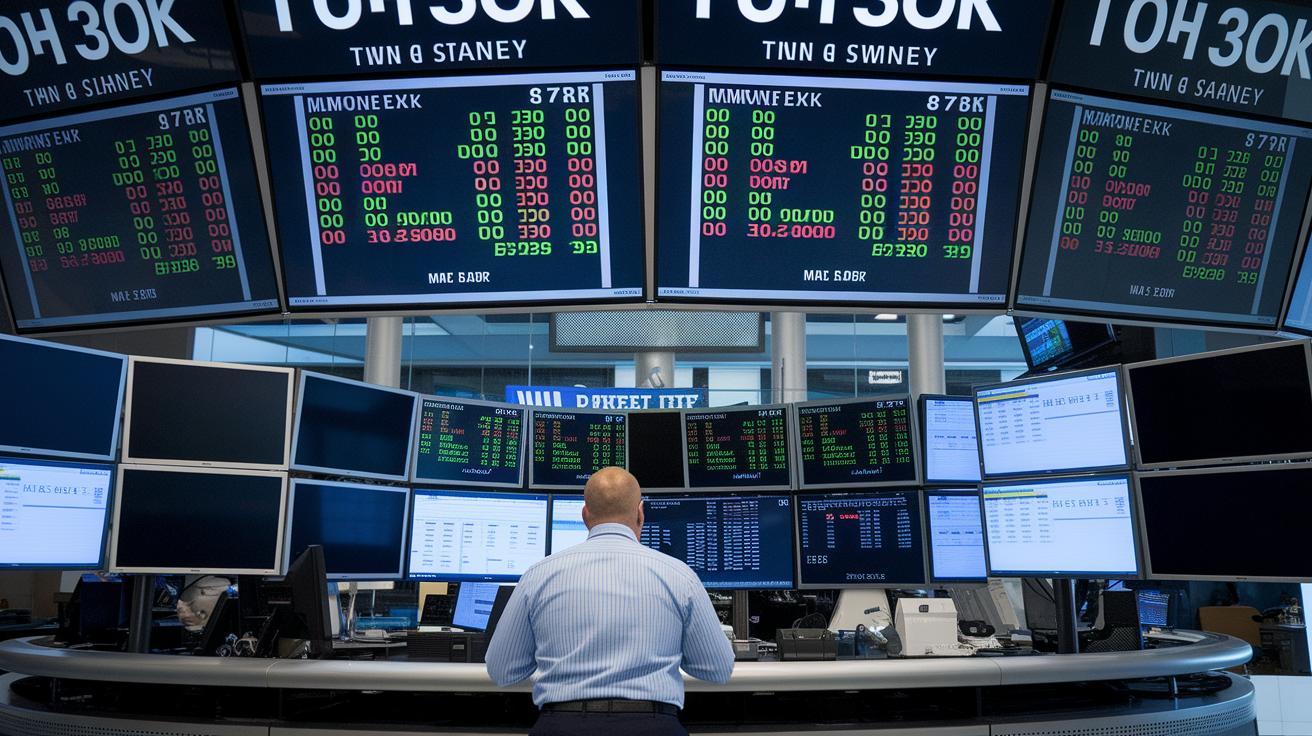
Right now, investors are keeping a close eye on how many bonds are available in the market. Bloomberg reports that the 30-day visible municipal bond supply is at $11.309 billion, which is lower than the typical 12-month average. In simpler terms, there are fewer bonds out there, and that can affect how prices move and slow down trading.
At the same time, a key measure of market jitters, the ICE BofA MOVE Index, has risen to 100.5, which is a 5% jump. This rise means prices could bounce around more quickly, making the market feel a bit unpredictable. Plus, margin balances in fixed income futures have slid by $2 billion, showing that many investors are playing it safe right now.
Investor mood matters too. In past cases, a surprising boost in consumer sentiment usually pushed the 10-year yield up by about 7 basis points. This shows how a small change in confidence can quickly shift market conditions, especially for long-term investments.
In short, these signals remind us to stay alert and be ready to adjust our bond portfolios as liquidity, volatility, and investor sentiment continue to evolve.
Final Words
In the action, today's market snapshot outlined key yield shifts, central bank moves, and changes in liquidity that affect various bond types. We saw government securities and corporate bonds each reacting to shifting investor sentiment. The global bond markets update highlights these dynamic moves and offers plenty of food for thought. With a clear-eyed view of the trends, a confident, measured approach can bring fresh opportunities. Stay focused and keep your strategy agile for the promising days ahead.
FAQ
Frequently Asked Questions
What is the latest global bond markets update?
The latest global bond markets update reflects slight yield adjustments on U.S. Treasuries, shifts in government securities supply, and muted investor sentiment as central banks maintain steady policies amid a cautious economic outlook.
What does bond market news today reveal?
Bond market news today reveals modest yield declines, tightening corporate spreads, and shifting liquidity conditions. This real-time insight reflects evolving investor sentiment and stable central bank policies across major markets.
What is the bond market outlook today?
The bond market outlook today points to cautious trends with modest yield and supply shifts. Investors are watching central bank actions and economic signals for clues about near-term market adjustments.
How is the global bond market size projected by 2025?
Projections for the global bond market size by 2025 anticipate steady growth driven by rising issuance and expanding investor demand, with central bank balance sheet changes supporting gradual market expansion.
What does the bond market today chart indicate?
The bond market today chart indicates small yield adjustments and varied supply levels across key tenors. It offers a quick snapshot of market activity by reflecting cautious trading and timely investor sentiment shifts.
What does the latest U.S. bond market news show?
The latest U.S. bond market news shows slight declines in key Treasury yields, tightening corporate spreads, and steady liquidity levels. This environment reflects cautious investor sentiment and consistent central bank responses.
What is the Federal Reserve bond market news today?
Federal Reserve bond market news today centers on stable rate policies with modest yield shifts. This update reflects measured Fed moves as market participants closely watch economic indicators and inflation trends.