


Ever thought that trading with less than $25K might be a secret trap waiting to catch you off guard? Imagine each trade as a puzzle piece that slowly builds your bigger picture.
For day traders with smaller accounts, every little move counts. Just four trades in five days can put you on a strict schedule.
In this guide, we break down the rules and show you how to plan each trade smartly. Ever wonder if making every trade a careful choice could work in your favor? Read on and see how a bit of planning can really make a big difference.
Core Requirements for Day Traders With Under $25K

The FINRA rule on pattern day trading is pretty straightforward. If you make four or more day trades within any five-day span using a margin account, and your account balance is under $25K, you get flagged as a pattern day trader. Even if you trade just $250, or any amount, really, each trade counts.
This flag can bring some tough restrictions. In fact, if your trades make up a little over 6% of all transactions during those five days, you face limits until you bring your account balance back to $25K. That means every single trade matters and needs careful planning.
For anyone trading with less than $25K, it’s essential to monitor every transaction. Treat each trade like a piece of a big puzzle, miss one, and it could mess with your trading freedom. So, be disciplined, plan your moves well, and keep an eye on how each trade adds up.
Margin vs. Cash Accounts for Day Trading Under $25K
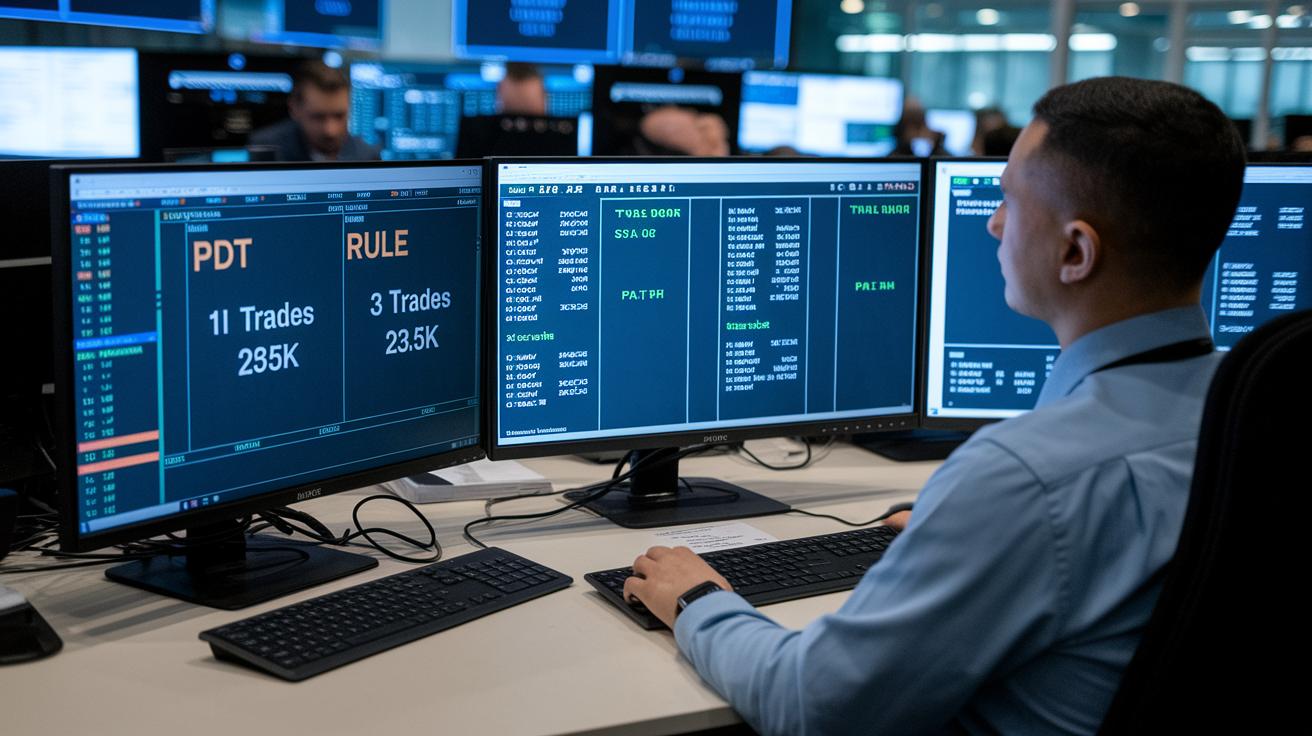
Margin accounts let you use borrowed money, which boosts your buying power. But every trade you make during the day counts toward that three-trade limit if your account is under $25K. Even a tiny trade gets tracked, so if your account equity drops too low, you'll find it tougher to make more trades. In simple terms, without meeting Pattern Day Trader (PDT) rules, you're only trading with the cash you actually have, which limits both your risk and potential gains.
Cash accounts work a bit differently. They use only settled funds, which means you won't run into PDT restrictions. You can make as many intraday trades as you want when you're using a cash account. The trade-off? Funds need two days to settle before you can use them again. That wait might slow you down a bit when a new opportunity pops up, but it also helps keep you from trading on impulse.
| Account Type | PDT Rule Applies | Day Trade Limit | Key Notes |
|---|---|---|---|
| Margin Account | Yes | Three per rolling five-day period | Boosts buying power but every trade counts |
| Cash Account | No | Unlimited with settled cash | Funds require two days to settle before reuse |
day trading rules under 25k: Clear Path Ahead

Multiple Brokerage Accounts
Opening extra brokerage accounts lets you snag an extra three day trades every rolling five days with each account. It’s like having multiple wallets, each one gives you a fresh batch of trading opportunities without tripping the PDT limits all at once. This way, you spread your risk around and keep your options open.
Cash Account Utilization
Using a cash account means you're trading with money that's already settled, so you dodge the PDT restrictions. You can make as many intraday trades as you need, as long as you manage the two-day delay for your funds to settle. Think of it like having a steady supply of trading fuel, you just need to wait a bit before refilling after each trade.
Offshore or Non-US Broker Options
Some brokers based outside the US might let non-resident traders skip US day trade rules. Now, many of these brokers won’t take US citizens, but if you qualify, this option might give you the freedom to trade without the usual restrictions. It’s a way to widen your trading arena when domestic rules start feeling too tight.
Alternative Markets (Futures & Forex)
Switching over to futures or forex completely bypasses US stock margin PDT limits. These markets usually need less starting money and let you trade more frequently. Imagine stepping into a broader arena where the usual PDT rules don’t hold you back, opening a door for more trading opportunities even if you’re working with a balance under $25K.
Risk Management and Trade Frequency Under $25K

When you’re trading with less than $25K, you want to focus on setups that have a solid chance of success. Remember, the PDT rule (which lets you do no more than three day trades in five business days) means you need to carefully plan every move. Using charts with longer time frames can help you catch bigger price moves and boost your profit per trade.
Sticking to a disciplined plan is really important. Some traders try to keep positions open overnight just to avoid hitting that day trade limit. It might seem like an easy fix, but it goes against the idea of day trading and can add extra, unexpected risk. Also, sizing your trades too large because you’re scared of missing a good shot can lead to trouble, like margin calls, especially when the market suddenly shifts.
A handy trick is to use scanners that search for low-priced stocks trading in high volumes. Think of these scanners as smart filters that quickly sort through many stocks to find those worth your close look. By mixing these technical tools with a careful approach to risk management, you can make smart choices even with strict trade limits. Keeping a steady routine helps you avoid rash decisions and stick to your well-planned, strong setups.
Broker Policies on Day Trading Rules Under $25K

If you have a smaller trading account, you need to know that brokers are pretty strict about your day trades when using margin accounts. For instance, Robinhood, TD Ameritrade, and Charles Schwab all allow only three day trades in any rolling five-day period if you have less than $25K in your account. Robinhood’s cash accounts don’t come with this rule, but you still need to keep an eye on the T+2 settlement cycle to avoid any holds on your trades.
TD Ameritrade and Schwab offer both margin and portfolio-margin options for those who qualify, and they even send you friendly alerts to help you steer clear of accidentally tripping the Pattern Day Trader (PDT) rule. Each broker has its own fee setup, alert system, and educational resources that can really shape how you day trade. Many traders love Robinhood for its simple interface, but remember, its margin accounts stick firmly to the PDT rule. Meanwhile, TD Ameritrade and Schwab might provide deeper insights and risk management tools, which can be a big help if you’re trading under these tight guidelines.
Want a quick look at how these brokers differ? Check out the table below for a side-by-side view of account options and day trade limits. This handy comparison can guide you if you need clear advice on trading restrictions for accounts under $25K.
| Broker | Account Types | PDT Applies to Margin? | Day Trade Limit | Settlement Notes |
|---|---|---|---|---|
| Robinhood trading rules | Margin, Cash | Yes (Margin) | Three (Margin), Unlimited (Cash) | T+2 for cash accounts |
| TD Ameritrade | Margin, Portfolio-Margin | Yes | Three per rolling five-day period | Standard settlement applies |
| Charles Schwab | Margin, Portfolio-Margin | Yes | Three per rolling five-day period | Standard settlement applies |
Day Trading Alternatives Under $25K: Futures, Forex & Options

When your trading account is under $25K, exploring futures, forex, or options can open up new doors. Futures let you trade without worrying about the US stock margin rule, which typically limits day trading in stocks. Essentially, you need to put down a small deposit (called initial margin) before you trade. It’s like paying a cover fee to play in a high-stakes arena, if the market suddenly jumps or falls, you might see a margin call faster than you thought.
US forex brokers, regulated by local laws, don’t usually limit your trades like stock rules do. Still, be ready for different conditions from each dealer, like rollover fees or other small costs. It’s a bit like playing a game where every player has their own bonus rules.
Options trading is also interesting because you don’t need a huge amount of money to start, and the risk is clearly outlined. But keep in mind, options bring along some tricky parts, like time decay (how the option loses value over time), bid-ask spreads (the price difference between buying and selling), and liquidity (how easily you can sell an asset). Think of it like cooking a complex meal; getting every ingredient right takes practice and patience.
Debunking Misconceptions About Day Trading Under $25K

Many traders get confused about the PDT rule. They might think that making small trades or using a special order type can help them avoid the rule. But the fact is, it’s all about your account balance and how many trades you make during the day. Every trade you make while the market is open counts, no matter how big or small.
You hit pattern day trader status if you make four day trades within a five-day period or if those day trades make up more than 6% of all your trading activity. It doesn’t matter whether you use limit orders, market orders, or stop orders, each one counts the same way.
Another idea people often believe is that holding a trade overnight will reset your count of day trades. However, Finra makes it clear that only the number of trades you do during the day matters, not how long you keep your position open.
This straightforward explanation helps you plan your trades with care. Every trade is important when you’re keeping an eye on your daily total. By shaping your trading strategy with these clear rules, you can avoid common mistakes and stay in control of your day trading journey.
Final Words
In the action, we covered how margin and cash accounts impact your trading choices while breaking down the pattern day trader rule’s effect on sub-$25K portfolios. We also looked at alternative strategies, like using multiple brokerage accounts and tapping into different markets, to maintain flexibility. Stressing smart trade frequency and risk management helped clarify potential pitfalls. Overall, following day trading rules under 25k can empower you to take calculated steps in the market with a more informed, confident approach.
FAQ
What are the day trading rules for accounts under $25K across various platforms?
The day trading rules for accounts under $25K state that margin accounts face a limit of three day trades in a rolling five-business-day period, while cash accounts allow unlimited trades as long as funds settle promptly.
What is the pattern day trader (PDT) rule?
The pattern day trader rule means that if you make four or more day trades within five consecutive business days on a margin account, you are flagged as a PDT, which restricts your trading unless you maintain an account balance of $25,000.
See more at pattern day trader rule.
What is the typical salary for a day trader?
The typical salary for a day trader varies widely and is largely based on experience, available capital, and trading skill, with many traders earning fluctuating profits rather than a fixed income.
Why is pattern day trading considered illegal?
The term “pattern day trading” isn’t illegal; it is a regulatory framework designed to mitigate risk by imposing higher equity requirements on margin accounts that exceed set trading frequency limits.
What should beginners know about day trading?
For beginners, it’s key to understand the trading limits, account type differences, and risk management practices, focusing on quality setups rather than quick, impulsive trades to stay within safe bounds.
Can I day trade with less than $25K?
You can day trade with less than $25K, but if you use a margin account, you must abide by the PDT rule; alternatively, using a cash account lets you trade more freely as long as you manage the settlement period well.
How many times can I buy and sell the same stock in a day?
In a margin account under $25K, you are generally limited to three day trades in a five-day cycle, whereas cash accounts permit multiple trades provided you wait for your funds to settle before trading again.
Do I need $25K to day trade crypto?
You don’t need $25K to day trade crypto because crypto markets aren’t subject to the US stock-margin PDT rule, though you must stay mindful of crypto’s high volatility and unique market dynamics.