

Have you ever looked at the market and wondered if it’s a puzzle only a few can solve? Derivatives in finance bring clever tools that let us see risk and reward in a whole new way.
Think of these contracts as smart shortcuts that help you manage investments in stocks, commodities (like gold or oil), or even currencies. They’re like quick fixes for handling the ups and downs of the market.
In this article, we’ll walk you through how these basic contracts work, whether they’re firm promises you have to keep or flexible options you can choose from. Stick with me to see how these methods can help you trade smarter and even boost your profits in today’s ever-changing market.
Core Principles of Derivatives Finance
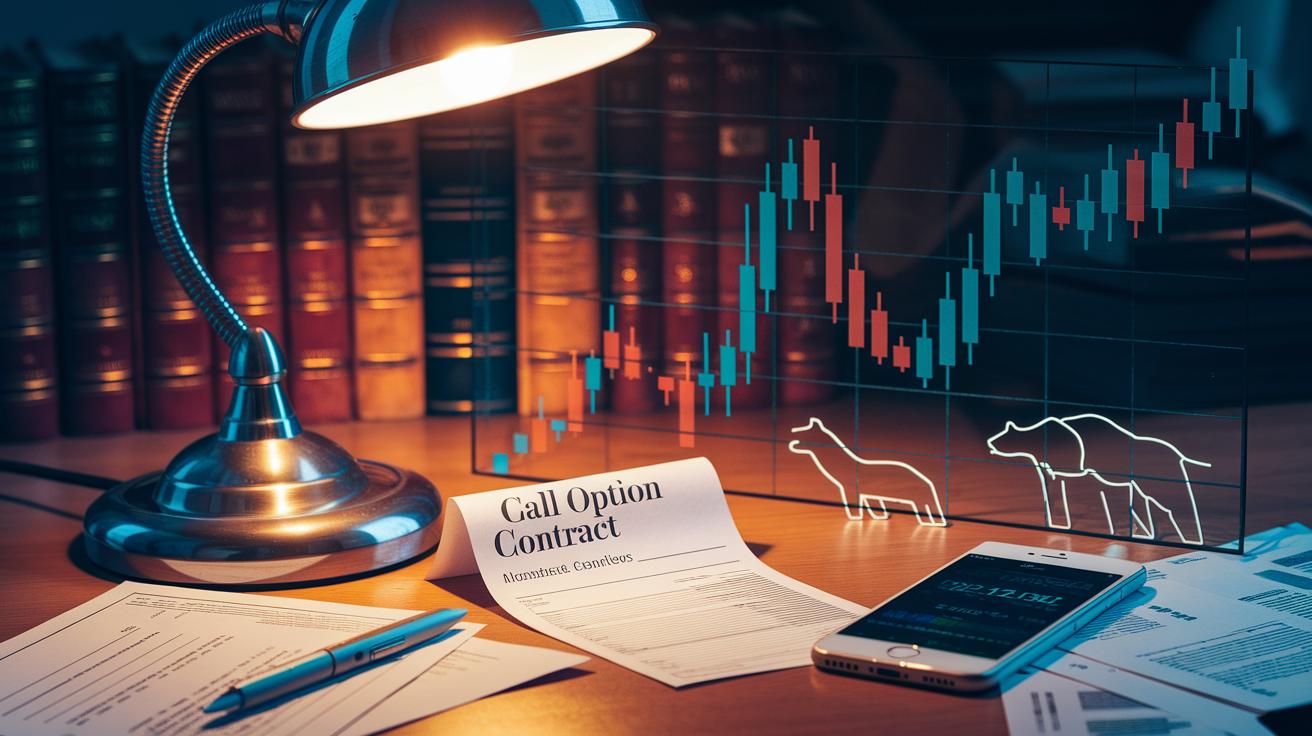
Derivatives are financial contracts that get their value from an underlying asset, like stocks, commodities, or currencies. In simple terms, the asset drives the pricing and terms you see in the contract. These tools help investors manage risk and even take positions without having to buy the actual asset. For example, a call option lets you buy shares at a set price, within a certain time frame. It's a bit like having an early market insight, imagine how traders in the old days used similar contracts to predict trends, much like we use today’s charts.
There are two main types of these contracts. On one hand, you have obligation-based derivatives, like futures and swaps, where both parties must stick to fixed terms on a specific date. On the other hand, there are option-based derivatives, which give you the choice to act but don’t force you in. Take a call option: it might let a trader buy 100 shares at $1,000 each within six months. This clear split helps show how derivatives work, balancing risk control with the promise of reward in our modern markets.
Derivative Contract Types in Derivatives Finance
Understanding the differences between these contracts can really help you choose the best tool for each market situation. These contract types, built on underlying assets, differ based on where they’re traded, how they’re set up, and what risks they carry.
Futures
Futures contracts are traded on exchanges where rules and prices are clear. They bind both parties to buy or sell a set asset, commonly commodities like oil or gold, at a future date and at a fixed price. You can learn more about how these work at CBOE Global Markets. Their standard setup makes trading smoother, though they still react to market swings.
Forwards
Forwards are custom-made agreements traded over the counter, meaning they aren’t handled by an exchange. They lock in a price and a delivery date similar to futures, but because they’re tailored to each deal, there’s a higher risk if one party can’t keep up their end of the bargain. Many businesses prefer forwards to secure prices for commodities or currencies, even though they come with extra credit risk.
Options
Options give you the ability, but not the obligation, to buy or sell an asset at a set price by a set date. They come in two forms: calls, which let you buy, and puts, which let you sell. Options traded on exchanges, like those available via CBOE Global Markets, offer clear rules, though factors like time left and market movements can change their cost.
Swaps
Swaps are deals made over the counter where two parties exchange cash flows, such as interest payments or currency amounts. These agreements are crafted to meet the specific needs of the parties involved. With no standard format, swaps do come with considerable risk if one party fails to deliver, but they can be a smart way for companies to move risk around.
| Contract Type | Trading Venue | Standardization | Primary Risk |
|---|---|---|---|
| Futures | Exchange | Standardized | Market swings |
| Forwards | OTC | Custom | Credit risk |
| Options | Exchange | Standardized | Time decay |
| Swaps | OTC | Custom | Counterparty risk |
Valuation Models in Derivatives Finance

When you want to figure out the value of a derivative contract, it’s not as simple as checking the current market price. Instead, you mix in a bit of math and a dash of market insight. For example, a call option’s price isn’t just about the asset’s current value; you also consider how much time is left until it expires, the agreed-upon strike price, and even how much the asset might swing (that’s what we call implied volatility, the best guess of future price changes). Imagine the asset’s price suddenly jumps, it immediately bumps up the option’s premium. It’s a bit like putting together clues from the market to make an educated guess about what might happen next.
The Black-Scholes model is one of the most popular ways to do this. It takes in everyday market data along with a few assumptions, like a risk-free interest rate, to boil future uncertainty into a single number. When traders check out implied volatility, they’re peering into the market’s forecast for future price moves. And as time ticks by, if the market feels more unpredictable, the option’s price usually goes up to match that uncertainty. It’s almost like watching the market’s heartbeat in real time.
In everyday practice, these pricing models offer a clear method to read market signals and understand risk. Analysts break things down into simple parts so that comparing and trading options becomes a matter of solid, everyday reasoning. This clarity helps both seasoned traders and those new to investing easily weigh the risks and rewards.
Derivatives Finance: Smart Strategies for Profitable Markets
Derivatives are like a secret tool that helps you manage risk by locking in prices for the future. They smooth over the bumps when things like currency values, commodity costs, or interest rates change unexpectedly. Companies often use forwards and swaps to plan earnings and line up future cash flow, while traders, big and small, turn to options and futures to handle sudden market moves. It’s a bit like setting the price for your dinner ahead of time so you’re never surprised by a sudden hike.
Managing risk with derivatives isn’t just about protection; it’s also a smart way to add variety to your investments. By reducing exposures you don’t want, you can keep your portfolio steady even when the market changes fast. This approach cuts through the confusion and helps you keep your eyes on long-term goals rather than sweating over every little market swing. Here are some typical hedging strategies you might think about:
- Using call and put options to guard against price changes.
- Locking in commodity prices with futures contracts.
- Managing interest rate shifts by entering swaps.
- Setting currency exchange rates in advance with forwards.
- Spreading out risk by mixing different derivative tools.
Trading Strategies and Arbitrage in Derivatives Finance
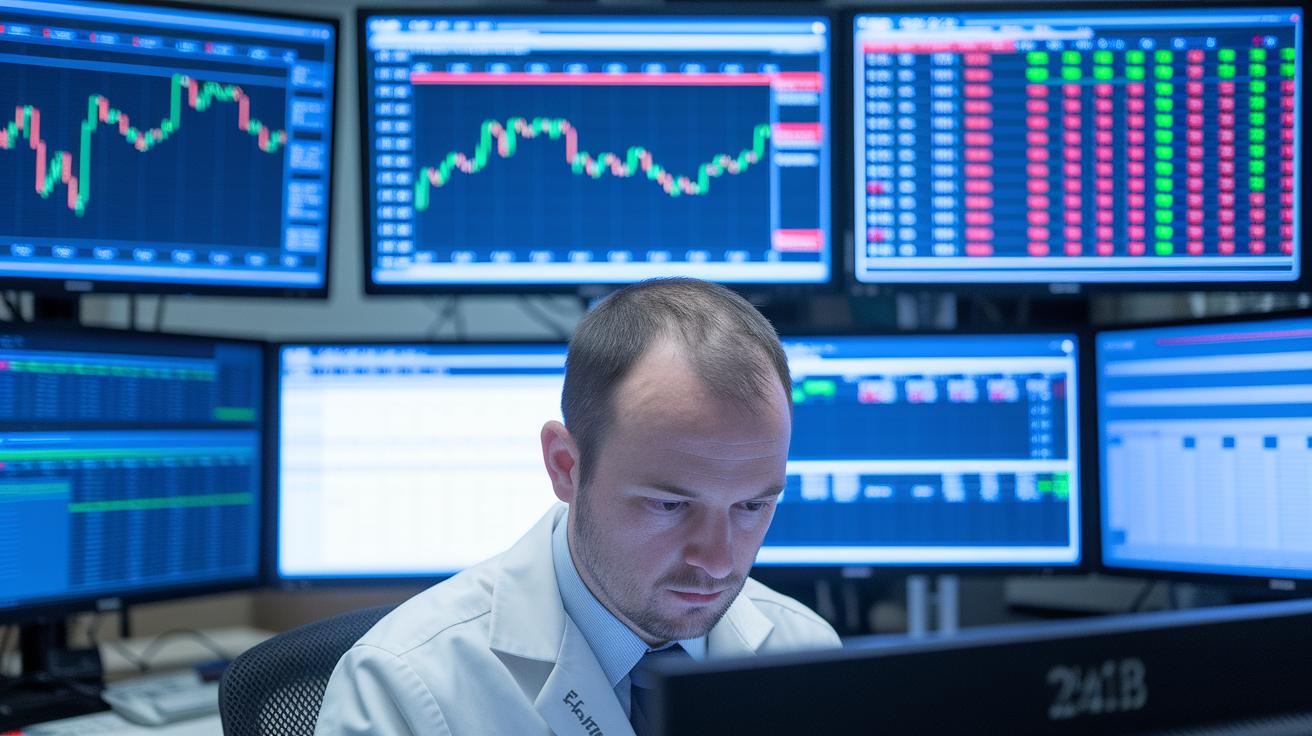
Derivatives let traders grab quick gains and spot pricing mistakes when contracts aren’t valued right. Spread trading is one way to do this, it means holding different positions on contracts that mature at different times or come from different assets so you can profit from small shifts in prices. Think of it like balancing bets: a win in one area can help cover a loss in another, even when the differences are tiny.
Another tactic traders often use is delta hedging. This method keeps the risk of unexpected moves in check by regularly adjusting the underlying positions as option values change. And yes, some traders even go for leveraged strategies to boost potential returns, though it comes with extra risks that you need to watch closely. Each of these methods plays its own part in a balanced trading plan.
Here are a few common approaches:
- Exploit mispriced contracts for traditional arbitrage
- Use spread positions to take advantage of pricing differences
- Adjust holdings frequently with delta hedging
- Apply leveraged strategies for amplified market exposure
Market Trends and Regulatory Landscape in Derivatives Finance
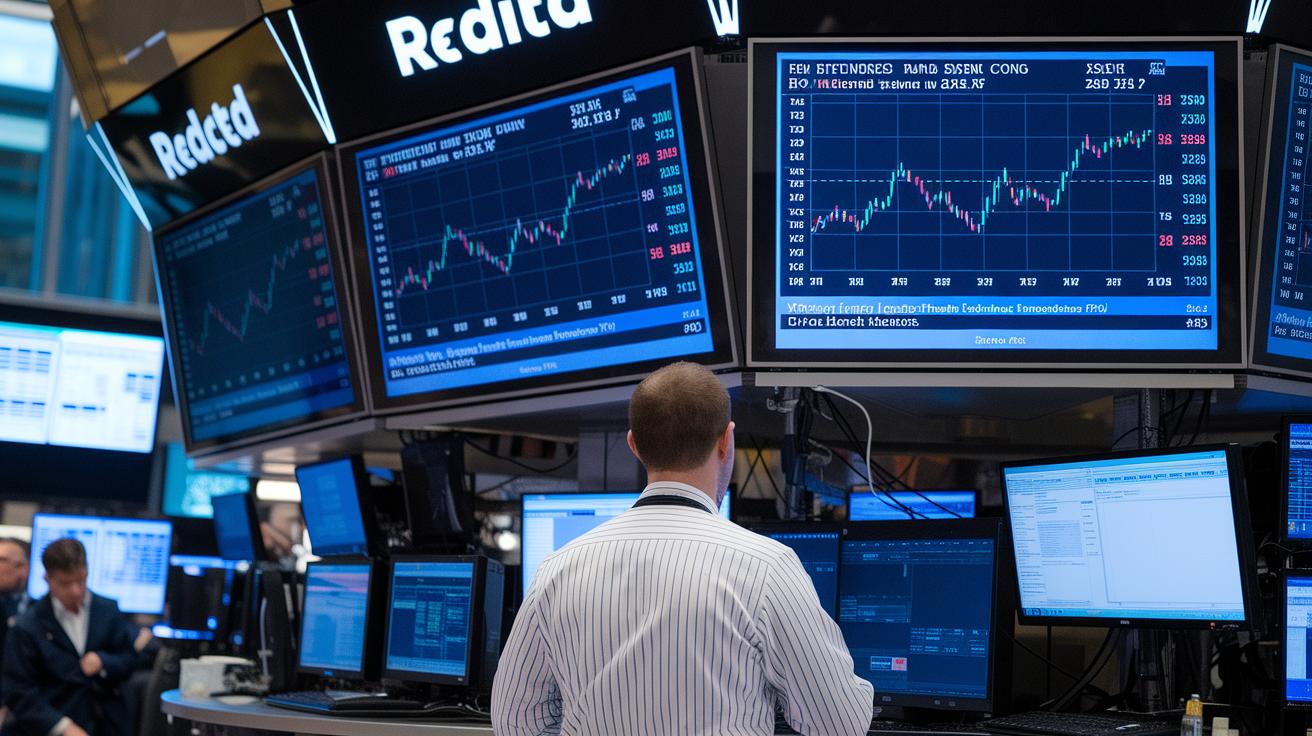
Traders are watching liquidity shifts closely since even small changes can flip the script in derivatives finance. Take futures contracts, for example; you only need a small margin deposit, just a slice of the entire contract, and if the market moves against you, you might get a maintenance call. This setup makes real-time data crucial because market conditions can change before you know it. Plus, exchange-traded derivatives benefit from clear rules and a structured environment, which helps keep things in order, even when the market gets rough.
On the flip side, over-the-counter products have their own challenges. They don’t get the same strict oversight, so regulators keep a lighter touch compared to exchange-traded ones. That lighter scrutiny can mean a bigger counterparty risk, basically, the risk that the other side might not hold up their end of the bargain, since there aren’t uniform standards. This mix of different trading spots and evolving regulations plays a big part in how prices are set and risks are managed in derivatives finance.
Final Words
In the action, this piece showcased the basics of contract types, valuation models, and trading strategies in derivatives finance. We unpacked core principles and risk management tools that help build smarter, balanced investment moves. Each section tied together to form a clear picture of how these instruments support confident market moves.
There's plenty here to empower your next steps in effective derivatives finance. Keep the insights in mind as you explore even deeper market strategies and steer toward success.
FAQ
What are derivatives in finance?
The phrase “derivatives in finance” refers to contracts whose value depends on an underlying asset, such as stocks, commodities, or currencies. They include instruments like futures, options, forwards, and swaps.
What are types of financial derivatives with examples?
Financial derivatives include futures, forwards, options, and swaps. For instance, a call option lets you buy an asset at a set price, while a swap involves exchanging cash flows between parties.
What are the 4 types of derivatives?
The four main types of derivatives are futures (exchange-traded contracts), forwards (over-the-counter agreements), options (contracts that give you the right to buy or sell), and swaps (contracts for exchanging cash flows).
What are examples of derivatives and what are the 5 examples?
Common examples of derivatives include futures, forwards, call options, put options, and swaps. These instruments are used to manage risk and respond to market movements.
What does “derivatives finance pdf” refer to?
The term “derivatives finance pdf” typically points to downloadable PDF resources that explain derivative concepts, examples, and applications in an accessible format for both new and experienced market participants.
What is a derivative in simple terms?
In simple terms, a derivative is a financial contract whose value is linked to an underlying asset, allowing traders to speculate on price changes without owning the asset itself.