


Ever notice how some day traders stay cool when the market heats up? They’ve trained their minds to stick with a plan instead of getting swept away by sudden emotions. When you keep a clear head, you can trade fear and greed for smart, steady decisions that often lead to stronger outcomes.
In day trading, having a clear mindset is just as important as reading charts or spotting trends. This article chats about simple habits like writing down your thoughts in a journal and setting clear trade rules, tips that can help you keep stress at bay and trade consistently.
Mastering Day Trading Psychology: Core Strategies for Emotional Control

Day trading isn’t just about reading charts, it’s about mastering your own mind. When you stay calm and follow a clear plan, you keep fear and greed in check and avoid making rushed decisions. A steady mindset lets you stick to your trade rules, whether you’re buying in or selling out.
When the market moves fast, keeping a cool head takes everyday practice. Simple steps like journaling help you notice patterns in your behavior. A solid trading plan with clear rules and set risk limits stops impulsive moves in their tracks. Real traders see that balancing technical analysis with mental focus makes all the difference.
- Journaling to track your feelings during trades
- Setting clear rules for when to enter or exit a trade
- Establishing strict risk limits to protect your money
- Taking planned breaks to clear your mind
- Reviewing your trades to learn and improve
Bringing these habits into your routine builds strong emotional control. By regularly checking your progress and tweaking your plan based on your journal, you create a resilient strategy. With a clear mind and steady rules, you’ll be ready to make smart decisions even when the market shifts quickly.
Psychological Pitfalls in Day Trading Psychology and How to Avoid Them

Day trading can sometimes play tricks on you. Our minds might make us feel overly confident, scared of loss, or even push us to fix mistakes quickly. These natural reactions can cloud our judgment and pull us away from a clear plan. When emotions take the wheel, you might end up clinging to losing trades or taking risks just to bounce back quickly.
Here are some common biases that might sneak in:
- Overconfidence
- Loss aversion
- Anchoring bias
- Revenge trading
Getting too sure about a win can lead to overtrading or ignoring important warning signs. Holding on to a loss, hoping things will reverse, often makes the situation worse by basing decisions on previous failures. And then there’s revenge trading, the desperate urge to win back some money right away, which can start a cycle of poor decisions.
The key is to catch these pitfalls early. Ask yourself if your choices are driven by careful planning or just a surge of emotion. One great practice is to keep a trading journal. Writing down what you’re thinking when you make a trade helps you see any biases creeping in. Over time, these little check-ins can keep your mind clear and your decisions sharp as you navigate the fast pace of the market.
Have you ever noticed your emotions getting the best of you during a trading session? Recognizing these moments as they happen can truly change the game.
Day Trading Psychology and Structured Trading Plans for Discipline

Creating a Solid Trading Plan
A solid trading plan tells you exactly when to jump in and when to pull out, while also spelling out how much you're willing to risk. Think of it as a safety net that kicks in when the market takes an unexpected dip. For example, if prices suddenly fall, your plan might automatically adjust your stop-loss to keep your gains safe without panicking over a quick drop.
Journaling for Self-Awareness
Keeping a journal of why you make each trade and how you feel during the ups and downs is a game changer. It’s like keeping a personal diary about your market journey. When big price swings or surprising news hit, jot down your thoughts and feelings. This habit can reveal patterns in your behavior, helping you tweak your strategy for those intense moments.
Setting and Reviewing Performance Metrics
Checking your progress often is key to sticking with your plan. You might look at your trading numbers weekly, monthly, or even hourly during wild market moves. This regular review makes you more disciplined and builds confidence, even when the market gets choppy. For instance, during a volatile day, you might note, "I saw a slight delay in order execution after a sudden news drop, so I adjusted my plan for faster moves next time."
| Metric | Evaluation Frequency |
|---|---|
| Profit/Loss Ratio | Weekly |
| Risk-Reward Performance | Monthly |
| Slippage and Execution Delays | Hourly during extreme volatility |
Day Trading Psychology: Building Mental Resilience and Managing Stress

Intraday trading feels like riding a roller coaster, doesn't it? In just moments, you can experience rapid price changes, unexpected news, and wild swings in the market that turn your head. When your mind is racing, you risk making spur-of-the-moment decisions that might cost you dearly. It all starts with noticing what triggers this tension so you can step back and clear your head before emotions take over.
When the going gets tough, simple stress-busting techniques can be a trader’s best friend. Think about pausing for a minute to take deep, slow breaths or doing a quick mindfulness check when things get hectic. Even a brisk walk can help shake off that bottled-up stress. By scheduling these little breaks, especially when the market's at its most unpredictable, you give yourself a chance to regain focus and stay sharp.
Try weaving these recovery habits into your trading day. A mix of mindful pauses and light physical movement keeps your brain resilient, ready to take on every twist and turn. Over time, this routine helps you adapt more easily, letting you face each trading challenge with a calm, clear mind.
Day Trading Psychology: Overcoming Biases for Clear Decision-Making Under Pressure
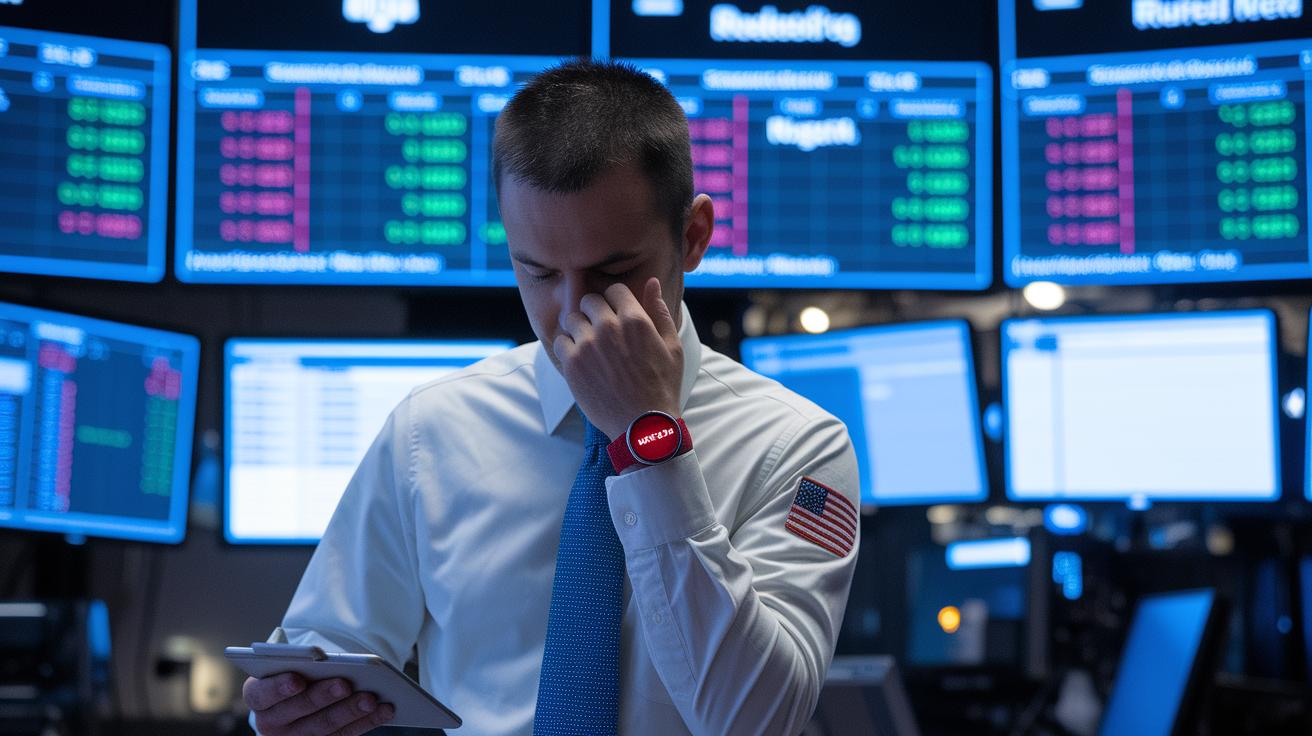
When the market shifts quickly, your mind might lean more on gut feelings than on careful thought. Studies tell us that stress can scramble how you process information, making you react fast instead of thinking things through. Picture this: during a steep drop, numbers blur like a dimming screen, and your clear view fades away.
These days, many traders add more tools and trusted methods to stay sharp. Instead of just sticking to old checklists, you might try a biofeedback tracker or simulation tools that catch your emotional highs and lows. For example, if you check your pulse during a trade and see it spike, that might signal that you're simply reacting, not strategizing.
Mixing these new tactics into your trading habits can help you spot hidden biases before they take over. By tracking your feelings along with market data, you build a system that adapts to your unique reactions, helping you stay steady when the market gets volatile.
Day Trading Psychology: Cultivating a Growth Mindset and Mind Training Routines

Think of a growth mindset as turning every setback into a lesson. When you lose a trade, it’s not a failure, it’s a chance to understand the market better. Each error becomes a stepping stone. When you review past trades and spot repeated patterns, you gradually adjust your approach and find value in every hiccup. This small shift in thinking helps you roll with the ever-changing market.
Mind training is like a warm-up before a big game. Try a mental rehearsal before a tough trade. Picture each step in your head, almost like watching a short film. Imagine yourself calm, focused, and making clear decisions. Mix these techniques with simple exercises to boost your confidence and trust in your trading plan. It’s like giving your brain a daily workout to handle any surprises the market throws your way.
Weave these routines into your daily trading habits to build a strong mental game plan. With regular self-checks and a bit of self-coaching, your mindset will turn into your best partner when the market shifts unexpectedly.
Final Words
In the action, we broke down the essentials of managing emotions and sticking to a clear plan to boost your trading confidence. We ran through tactics like journaling, predefined rules, risk limits, scheduled breaks, and performance reviews to keep impulsive moves at bay. These core strategies build a solid foundation for day trading psychology, helping you balance swift decisions with steady resolve. Keep applying these methods to smooth out your trading routine and step up your market game.
FAQ
Q: What are some resources for learning day trading psychology such as Reddit forums, PDFs, and books?
A: The query about Reddit threads, PDFs, and books highlights the wealth of simple guides available. These resources offer practical insights for improving emotional discipline and building a structured trading plan.
Q: What is trading psychology?
A: Trading psychology examines how our emotions and thoughts shape trading decisions. It centers on keeping a balanced mindset while following clear, predefined trading plans.
Q: Why is trading psychology important?
A: Trading psychology is important because it helps control fear, greed, and impulsiveness. A disciplined mind leads to steadier decisions and smoother trade execution.
Q: What is the 90% rule in trading?
A: The 90% rule in trading indicates that a vast majority of decisions can be driven by emotion. Recognizing this helps traders design routines to stay focused and rational.
Q: What is the 3 5 7 rule in day trading?
A: The 3 5 7 rule in day trading refers to a guideline for checking trades at specific intervals to manage risk and prevent hasty decisions during volatile market sessions.
Q: How much money do day traders with $10,000 accounts make per day on average?
A: Day traders with $10,000 accounts generally earn modest gains. Returns vary, with many aiming for small percentage profits while challenging risk management priorities.
Q: What is the 2% rule in day trading?
A: The 2% rule in day trading advises that you risk no more than 2% of your account on a single trade. This strategy keeps losses small and helps preserve capital.