


Ever feel stuck with a portfolio that only has U.S. stocks? Imagine building a safety net made of stocks, real estate trusts, bonds, and even assets from other countries.
In 2022, investors who spread their money out ended up with smaller losses when the market wobbled. Think of it like having a mix of different ingredients in your meal, it helps keep things balanced.
By investing around the world, you could see steadier returns and protect yourself from sudden market drops. In this article, we’ll chat about how adding global assets to your mix can boost your earnings, lower your risk, and open up new opportunities beyond familiar boundaries.
Core Benefits of Global Markets Portfolio Diversification

Many investors stick with U.S. stocks, which cover about 60% of the global market. This means they miss out on more than 40% of investment chances worldwide. Mixing things up with stocks, REITs (real estate investment trusts), commodities, and bonds (both safe ones and those with higher risk) has helped even out returns. For example, in 2022, diversified portfolios saw losses under 10%, compared to roughly 18% for big U.S. companies. It’s a reminder that riding high on stars like Amazon, Apple, and Microsoft also comes with its own risks.
Expanding your investments can really cut down on wild swings, giving you a shield against a slump in any one market or industry. Global diversification exposes you to different economic cycles and growth trends that don’t always line up with U.S. movements. It spreads out the risk and lets you tap into fresh markets, assets, and even different currencies.
- Smoother returns across different economies
- Access to growth drivers that don’t always move together
- A buffer from shifts in currency values
- Opportunities in non-U.S. markets and demographics
- Less severe drops during market downturns
This idea doesn’t just help manage risk, it also boosts your overall returns when you balance risk against reward. By branching out into various regions and asset types, your portfolio becomes more resilient in changing market conditions, all while capturing exciting growth opportunities outside the familiar U.S. scene.
Asset Class Segmentation and Regional Exposure in Global Markets Diversification

When you sort your investments by asset types and regions, you lower your risk while riding different growth trends. This means you pick from different kinds of investments like stocks, REITs (real estate trusts), and bonds. Every area has its own ups and downs, and blending these helps cut down on overall risk. For example, if one area is having a tough time, another might be booming, giving your portfolio a calmer, more balanced feel. Think of it like putting together a wholesome meal: you mix the best ingredients to keep your finances strong over time. Believe it or not, diversifying this way might even cut your losses nearly in half during rough market times.
| Region | Key Sectors | Suggested Asset Classes |
|---|---|---|
| Asia-Pacific | Renewables, Semiconductors, EVs | Global Equities, Commodities |
| Latin America | Energy, Metals, Agriculture | Global Equities, REITs |
| Europe | Large-cap Multinationals | Global Equities, Investment-grade Bonds |
| Middle East | Infrastructure, Finance, Energy | High-yield Bonds, Global Equities |
| Africa | Telecom, Banking, Natural Resources | Global Equities, Commodities |
| Australia & New Zealand | Iron Ore, Coal, Gas | Global Equities, REITs |
When figuring out how much to invest in each region, consider each area's economic outlook and how each asset fits into your risk plan. Giving a bigger slice to fast-growing regions might boost your returns, but it can also add risk. Starting with smaller amounts lets you adjust gradually as fresh market data comes in. This balanced strategy can lead to steady gains and a sense of security, kind of like hearing the steady tick of a clock you trust.
Risk Management and Currency Hedging in International Portfolios

Currency swings can really eat into your profits when exchange rates change without warning. But using tools like hedged ETFs or forward contracts can help you keep these surprises in check.
Different government rules and political climates in various countries add another layer of risk. These differences can shake up market structure and make assets harder to trade, leading to sudden shifts.
Don’t forget about taxes either. Each country has its own way of handling taxes, from different withholding rates to special treaty benefits. Not paying attention to these details might wipe out gains from your international investments.
A steady, thoughtful approach is key here. Using hedged ETFs and forward contracts creates a buffer against wild currency moves, while spreading your investments across different regions can safeguard your portfolio if one market stumbles.
By carefully choosing how much to invest in each asset type, you shrink the chance of big losses when the market dips. Imagine an investor who splits their money evenly among global markets. This simple tactic can smooth out returns over time and soften the impact of sudden tax changes or new regulations.
Identifying Emerging Opportunities and Market Trends Across Global Regions

We've broken down major drivers by region in our detailed table. Asia-Pacific, for example, is riding the wave of strong government support in renewable energy and electric vehicles. Over in Latin America, you get exposure to energy, metals, and agriculture thanks to their established stock and bond markets. And when it comes to Africa, the Middle East, and Australia/New Zealand, there’s growing potential in telecom, banking, and infrastructure.
Now, today's trends are all about focused solutions. Custom exchange-traded funds give you an easy way to tap into these emerging markets. Imagine an ETF that captures the excitement of tech innovation and sustainable energy, all in one simple package. Curious to explore more? Check it out at etfs emerging markets.
Step-by-Step Framework for Structuring a Diversified Global Portfolio
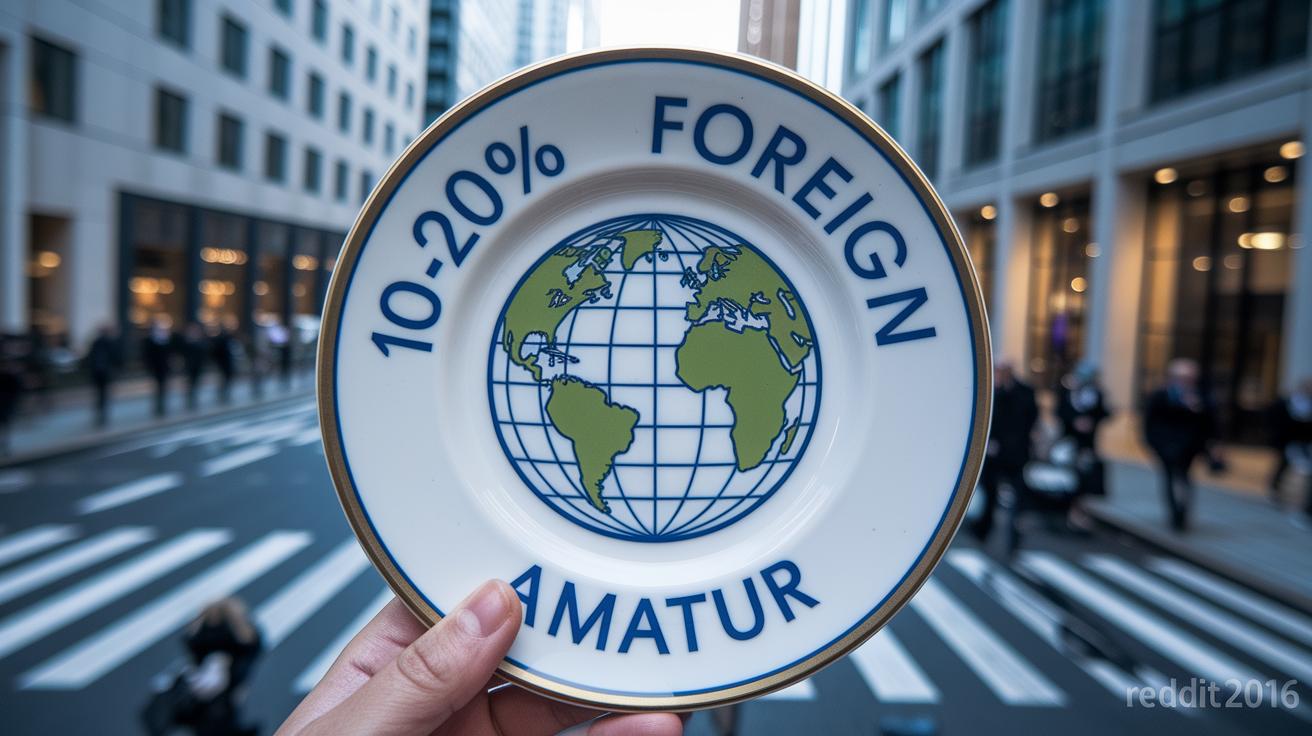
Think of your portfolio like a healthy meal. You’d mix in different ingredients to keep things balanced. Try putting about 10–20% of your investments into markets outside the U.S. and aim for 20–40% of your stocks in companies based in other countries. This way, you spread out your risk and boost your chance to capture growth in new places. It’s like adding a pinch of spice to a dish, it brings out a richer flavor.
Now, consider using U.S.-friendly tools like global mutual funds and American Depositary Receipts (ADRs) to tap into these international markets. These options let you invest abroad without the headache of handling foreign accounts. They’re kind of like a trusted delivery service, bringing you high-quality international picks right at your doorstep.
Finally, set a time to review and rebalance your portfolio, maybe every six months or once a year. This helps you keep your plan on track by locking in gains and making sure your risk stays in check. Think of it as fine-tuning your car’s headlights to ensure you’re always on the best path on your financial journey.
Sample Multi-Region Portfolio Case Study

Imagine a portfolio that puts 40% into U.S. Large Caps, 20% into developed international stocks, 10% into emerging markets, 10% into REITs, 10% into commodities, and 10% into global bonds. This mix blends stocks from solid, established markets with those in areas showing rapid growth, and it even adds some alternative investments to ease market ups and downs. The goal? To ride different market cycles and keep risk from clumping in one spot.
In 2022, this diversified mix dropped by about 10%, while U.S. large caps fell by roughly 18%. Then in 2023, it bounced back by around 8%, compared to a 10% rebound in U.S. equities. These numbers show how diversifying your investments, spreading them across different sectors and regions, can help soften the blow when one market takes a hit.
Also, keeping an eye on how assets move together is key. That 10% in commodities, for instance, helped lower the overall risk by reducing the portfolio’s exposure to stock fluctuations. This case study is a real-world example that a carefully mixed global portfolio can offer steadier returns and fewer deep losses over time.
Benchmarking Performance and Ongoing Portfolio Optimization

When we talk about benchmarking performance, we mean taking a close look at key numbers like the Sharpe ratio, maximum drawdown, annualized volatility (how much the returns go up and down) and rolling 10-year returns. These figures give a clear picture of how your portfolio handles market ups and downs. By comparing your portfolio to a blended 60/40 global benchmark, you get a solid sense of whether your diversification is really working. Tools like the equity markets performance report offer quick, clear snapshots of broader market trends and help you spot your portfolio’s strengths and weaknesses.
Regular reviews and rebalancing are key to making sure your portfolio keeps performing well. Checking in often lets you catch any drift in your asset allocation so you can make fast adjustments. This steady, disciplined approach allows you to ride out market changes and tweak your strategy as needed. By keeping an eye on those essential metrics, you’re better prepared to handle fluctuations and seize new opportunities as they arise.
Final Words
in the action, we explored how blending international asset classes with smart risk management helps smooth market swings and improve returns. We looked at proper asset segmentation, regional exposure, and tools to handle currency and geopolitical risks. Each section broke down ways to balance investments and seize emerging opportunities.
Using global markets portfolio diversification is key to building a resilient mix that adjusts to changing market rhythms. Trust in this flexible approach, and your portfolio can stay confident and strong even when markets test your limits.
FAQ
Global markets portfolio diversification example
The global markets portfolio diversification example shows how mixing U.S. and international investments smooths returns. This approach reduces volatility by balancing different economic cycles across regions.
Global markets portfolio diversification pdf
The global markets portfolio diversification pdf usually outlines real-world data, examples, and case studies. It illustrates how combining various asset classes globally can lead to steadier returns and lower drawdowns.
Diversified portfolio example
The diversified portfolio example includes a mix of U.S. large caps, international equities, REITs, commodities, and bonds. This blend reduces risk by not relying solely on one market or sector.
Portfolio diversification formula
The portfolio diversification formula combines the weights of different asset classes with their correlations. It helps estimate how mixing assets can lower overall portfolio risk while aiming for balanced returns.
How is asset allocation different from diversification?
Asset allocation divides your money among various asset classes, while diversification spreads risk within each class. Both strategies work together to lower the impact of a single market downturn on your portfolio.
Explain what it means to diversify across investments
Diversifying across investments means spreading your funds over different sectors, regions, and asset types. This way, if one area underperforms, other investments help shield your overall portfolio.
Diversify within each asset class
Diversifying within each asset class means choosing a mix of stocks, bonds, or other assets rather than putting all your money into one option. This reduces risk associated with any single company or industry.
Diversified portfolio meaning
A diversified portfolio means holding investments from different sectors, regions, and asset types. This mix smooths out returns and protects against severe losses from one particular market segment.
What is a globally diversified portfolio?
A globally diversified portfolio includes investments from multiple countries and regions. It takes advantage of non-correlated growth drivers and offers a buffer against economic downturns in any one market.
What is the 70 30 rule in investing?
The 70 30 rule in investing typically refers to allocating 70% of your portfolio in stable, growth-oriented investments and 30% in income or fixed-income assets, striking a balance between risk and return.
Why is Warren Buffett against diversification?
Warren Buffett favors concentrated investments in thoroughly understood businesses. He believes that excessive diversification can dilute potential returns by spreading resources too thinly across too many opportunities.
Is the S&P 500 globally diversified?
The S&P 500 is not globally diversified because it mainly represents U.S. large-cap companies. This focus misses a significant portion of global market opportunities, limiting exposure to other regions.