

Ever thought two global trading platforms could change your whole trading game? Imagine riding a smooth wave where real-time data and clear insights guide every move.
We take a closer look at how just a couple of smart tools can make trading easier, simplifying orders, cutting down risks, and quickly linking buyers with sellers. In today's fast-paced market, a few clever innovations can really shake things up.
Essential Features of Top Global Markets Trading Platforms
A trading platform is basically a computer system that helps you analyze financial markets. It takes care of tasks like processing treasury transactions, checking risks, settling deals, and keeping records. Gartner calls these systems essential for managing different asset types like stocks (pieces of a company), bonds (loans to companies or governments), forex (currency exchange), money market instruments, commodities (like gold or oil), and derivatives (contracts based on other assets). They connect brokers, market makers, banks, hedge funds, and asset managers through electronic networks. For more details, check out the global markets definition.
These platforms are designed to give you real-time insights so you can make fast, informed trading decisions. They also come packed with features that let you try out different trading strategies across various asset types. In short, a good trading platform lets you quickly place orders, watch risk levels, and settle transactions without hassle.
- Real-time data feeds that provide the latest market updates
- Support for trading different asset types such as stocks, bonds, forex, commodities, and derivatives
- Advanced order types that match a variety of trading strategies
- API access for custom integrations and smooth automation
- Risk analytics to help you understand and manage potential market risks
- Efficient settlement processing to finish trades smoothly
These features really matter because they create a seamless trading experience, cut down on delays, and help you make smarter decisions. With all these tools in one place, traders can stay agile and competitive in the fast-changing global markets.
Comparing Top Global Markets Trading Platforms
Trading platforms are always evolving to keep up with a fast-moving market. Big names like Bloomberg, Charles River, FlexTrade, SS&C Advent, and FIS each bring their own mix of speed, reliability, and clever tools. They offer unique strengths and support a wide range of asset classes and regions, so every trader can find something that fits their style.
| Platform | Key Strengths | Asset Classes | Regions Covered |
|---|---|---|---|
| Bloomberg | Real-time data accuracy, ethical standards | Equities, bonds, forex, derivatives | Global |
| Charles River | Automated portfolio management, risk analytics, and post-trade settlement | Private markets, including private equity and credit | International |
| FlexTrade | Broker-neutral execution with flexible order management | Equities, forex, options, futures, fixed income | North America, Europe, Asia |
| SS&C Advent | Risk mitigation built on 30 years of experience | Multi-asset trading for institutional investments | 50+ countries |
| FIS | Cross-asset trading and payment processing integrated with risk platforms | Equities, bonds, derivatives, more | 130 countries |
Choosing the right trading platform is about more than just checking off a list of features. Think about these key points as you decide:
- How easy is the system to use?
- Does the design of the interface feel friendly?
- Does it support all the types of assets you want to trade (like stocks, bonds, or even forex, which is how easily you can buy or sell money from different countries)?
- Can it process real-time data and handle risks quickly?
- Does it cover the global markets you’re interested in, and does it align with local rules?
These considerations help make sure that whether you’re trading in a busy city market or a quieter corner of the world, you’ve got a trusted partner on your side to help guide your decisions and keep your trades running smoothly.
Market Coverage on Global Markets Trading Platforms
Interactive Brokers gives you access to more than 90 market centers, imagine having a global doorway to trade almost anywhere. Fidelity makes it simple to dive into trades across 25 countries using 16 different currencies. If you’re leaning towards digital currencies and foreign exchange, TRADE KING is tuned in for crypto and forex trading. And then there's Murex MX.3, which supports trading many assets for over 300 firms worldwide. This means you can explore international opportunities without any borders getting in your way. For live market updates, just follow the link provided.
These platforms cover a mix of assets that drive growth in today’s financial world. They let you jump into traditional stocks as well as modern cryptocurrencies. With this wide range of tools, you can build a balanced portfolio and adjust your strategies on the fly. Think of it as having everything you need to keep your investment game strong.
| Asset Class | Platform & Details |
|---|---|
| Equities | Interactive Brokers offers access to over 90 market centers, making stock trading robust and accessible. |
| Forex | Fidelity supports trading across 16 currencies in 25 countries, helping with seamless global money exchange. |
| Commodities | Interactive Brokers also lets you trade physical assets like gold and oil. |
| Derivatives/Options | Murex MX.3 handles multi-asset trading that includes complex options and futures. |
| Cryptocurrencies | TRADE KING specializes in crypto trading with tools designed for digital currencies. |
Fee Structures and Pricing Models on Global Markets Trading Platforms
Choosing a trading platform can feel a bit like setting out on a new adventure. It helps to understand the fees so you can keep more of your hard-earned money. Well-known platforms such as Charles Schwab, Interactive Brokers, and Fidelity each have their own fee models that affect how much you pay when you trade stocks, currencies, or even crypto.
For example, Interactive Brokers offers tiered commission rates, meaning the more you trade, the lower your per-trade fee can get. Fidelity, on the other hand, boasts zero commissions on U.S. stocks, making your trades almost cost-free in that area. It’s all about finding the best fit for your trading style.
Take a quick look at some common fee types and what they mean for you:
| Fee Type | Description |
|---|---|
| Commissions | Fees vary widely. For instance, Interactive Brokers lowers fees as your volume increases, while Fidelity offers zero commissions on U.S. stocks. |
| Currency Conversion Spreads | Charles Schwab typically charges around a 1% fee, which can make international trades a bit more costly. |
| Forex Trading Spreads | These usually range from 0.1 to 0.5 pips, small charges that add up with currency transactions. |
| Crypto Trading Fees | On digital assets, fees normally fall between 0.2% and 0.5%, which is pretty standard in the crypto world. |
| Account Maintenance and Data Fees | These could include modest monthly charges or subscription costs, so it’s smart to keep an eye on them. |
Understanding these fee details helps you estimate your trading expenses more accurately. It allows you to choose a platform that aligns perfectly with your financial goals, whether you're trading stocks, diving into forex, or exploring digital currencies. Have you ever looked closely at fee structures before making a trade? It can really make a difference in how much profit you get to keep.
Regulatory Compliance and Security in Global Markets Trading Platforms
Many global trading platforms are watched over by top authorities like the SEC in the US, the FCA in the UK, ASIC in Australia, and ESMA in the EU. This means they follow strict rules to help keep your money safe. They use strong safety tools, like AES-256 encryption (a way to lock your data) and two-factor authentication (a method that checks your identity twice). Some platforms even earn certifications like SOC 2 and ISO 9001, as seen with SS&C Advent, and they keep detailed records of every trade. ICE, for example, is clear about the need to keep data accurate and report it as required to help stop problems that might lead to a market crash.
With rules like these, you can feel better knowing that the platforms you use are held to high standards. Checking what security methods they use can give you extra peace of mind when trading around the world. Here are some best practices to look for:
- Advanced encryption and secure login methods
- Regular checks through industry-standard audits and certifications
- Ongoing data monitoring with required regulatory reporting
These steps work together to protect your investments and help ensure that global trading platforms stay clear, honest, and safe in today’s busy markets.
User Experience on Global Markets Trading Platforms
A great trading platform can really change the game whether you’re just starting out or have been trading for a long time. You need a tool that's both friendly and built to deliver power when it counts. For example, think of Bloomberg Terminal where you can rearrange your dashboards just like setting up your favorite room. And then there’s TRADE KING, which is designed for mobile use so you can trade wherever you are. FlexTrade offers multi-screen order tickets that let you place orders super fast, and Fidelity’s web interface makes moving around the platform feel natural. In short, a smooth user experience can simplify tricky tasks and help you make quick decisions when the market is buzzing.
- Dashboard customization: Organize your workspace just the way you like it, similar to Bloomberg Terminal’s flexible dashboards.
- Mobile app quality: Enjoy trading on the go, much like TRADE KING’s mobile-first design.
- Order-entry speed: Place orders quickly with smart features like FlexTrade’s multi-screen order tickets.
- Customer support: Rely on easy-to-use interfaces and helpful support, just like what you experience with Fidelity’s web UI.
A strong user experience gives every trader, no matter their experience level, the confidence to dive into the global markets.
Advanced Analytics and Tools on Global Markets Trading Platforms
Today’s trading platforms are packed with smart analytics that help traders act quickly when the market heats up. For example, Delta Suite FD delivers real-time insights and even predicts trends as they emerge. Bloomberg’s signal converter takes live market data and turns it into trade suggestions, making it easier to know when to buy or sell. These tools break down risk and highlight profit opportunities in a way anyone can understand, even if you’re just starting out.
Then there are tools like Murex MX.3, Atrad, and Baymarkets EDGE, which add another layer of intelligence to your trading toolkit. They mix risk management, algorithm-driven order execution, and fast analytics to keep your trades sharp. With these features, you can try out strategies using backtesting and get clear signals for quick decisions. Here’s a quick snapshot of what each tool does:
- Delta Suite FD: Uses live intelligence and forecasting to spot market shifts and adjust risk levels on the fly.
- Bloomberg’s ML-based signal converter: Changes real-time data into actionable trade tips for timely market moves.
- Murex MX.3: Comes with built-in risk management to monitor market swings and manage order sizes effectively.
- Atrad: Uses data science for precise, quick trade executions.
- Baymarkets EDGE: Offers super-fast analytics to help you make decisions in a fast-paced market.
User Reviews and Testimonials for Global Markets Trading Platforms
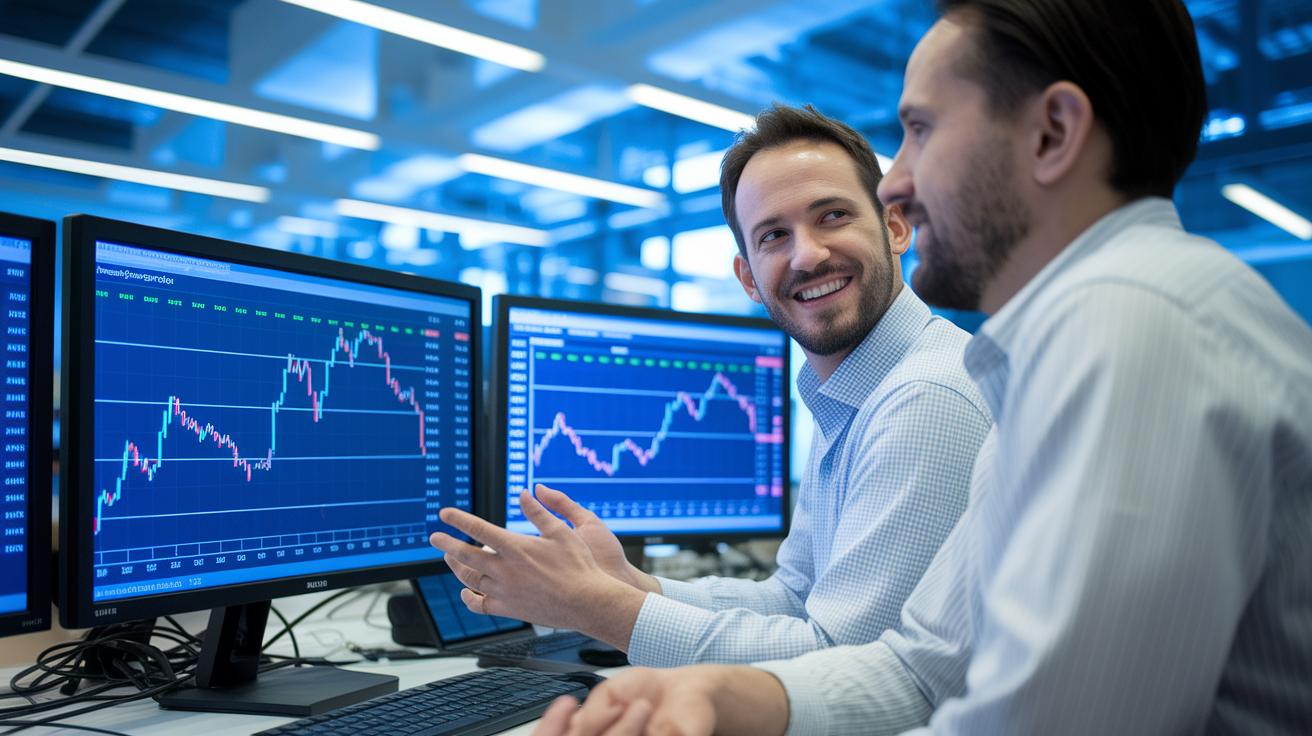
Traders share their real-life experiences about global trading platforms in a friendly way. They talk about the quick wins they get as well as the spots where the systems could use a bit of fine-tuning. By swapping honest stories, they help each other decide which platform matches their own trading style.
Feedback from well-known names like Interactive Brokers, Bloomberg, Fidelity, and TRADE KING reveals both clear strengths and areas for improvement.
- Interactive Brokers gets a thumbs up for its low fees and wide market access, which many traders find really useful.
- Bloomberg shines with its unmatched real-time data that can help you stay ahead, even though some note that it takes time to learn.
- Fidelity is loved for its supportive customer service and detailed research tools that make market moves easier to understand.
- TRADE KING stands out with creative crypto trading tools that catch the eye of digital asset fans.
- Some users mention that several platforms could simplify their interfaces to better serve newcomers.
- Overall, testimonials show mixed experiences with how user-friendly these platforms are, reminding us that matching a tool to your trading style is key.
Final Words
In the action, we broke down the essential features that make global markets trading platforms successful. We covered real-time data feeds, multi-asset support, risk analytics, and more. We also compared market leaders, fee structures, security measures, and user experiences, adding insight into advanced analytics and real-world testimonials. Each section sheds light on making smart investment decisions in a fast-moving market. Keep these insights close, and let them guide you toward confident, informed moves on global markets trading platforms. Stay curious and proactive.
FAQ
Global markets trading platforms review
A global markets trading platforms review highlights key features like real-time data feeds, multi-asset support, advanced order types, and risk analytics. This helps investors assess ease-of-use and security measures.
Global markets trading platforms for beginners
Global markets trading platforms for beginners offer simple interfaces, educational resources, and reliable customer support. They provide essential tools to help new investors understand market trends and execute trades confidently.
Best global markets trading platforms
The best global markets trading platforms provide real-time data, diverse asset classes, advanced analytical tools, and secure transactions. They combine powerful features with user-friendly designs to support informed investment decisions.
BATS Global Markets
BATS Global Markets is a well-known exchange offering high-speed trading, competitive fees, and robust market data. It serves both institutional and retail investors with reliable technology and clear market insights.
Bats Global Markets website
The Bats Global Markets website delivers essential trading information, market data, and updates on platform features. It serves as a resource for traders seeking clarity and timely market insights.
Cboe Global Markets
Cboe Global Markets is recognized for its broad asset offerings, transparent fee structures, and extensive market coverage. The platform connects a variety of financial players, supporting vibrant trading environments worldwide.
Forex trading
Forex trading involves the buying and selling of currencies. Trading platforms offer real-time exchange data, competitive spreads, and risk management tools, enabling traders to make swift, informed decisions.
Top 10 forex trading platforms
Top 10 forex trading platforms are ranked based on real-time data accuracy, low spreads, reliability, and user experience. They empower traders with robust tools to handle the dynamic nature of currency markets.
Which is the best global trading platform?
The best global trading platform integrates complete market data, multi-asset support, advanced order types, and secure transaction processing. It meets diverse investor needs while offering a reliable and intuitive trading experience.
What is a global trading platform?
A global trading platform is a computer system that provides real-time market analysis, processes transactions, evaluates risks, and supports multi-asset trading. It connects various financial players through electronic networks.
How can I trade in the global market?
You can trade in the global market by opening an account with a reputable trading platform. These platforms offer user-friendly interfaces, real-time market data, secure processing, and access to multiple international assets.
What is the minimum deposit for just global markets?
The minimum deposit for trading in global markets differs by platform. Some allow small initial investments while others require higher amounts, depending on the asset classes, account types, and trading features offered.