

Ever thought about whether the world’s money markets can bounce back when things get tough? It’s like a busy meeting spot where investors and institutions come together, moving money fast to help companies and governments grow.
Imagine dropping a small stone into a calm pond. Even a little splash sends ripples far and wide. In this article, we’re going to explore how smart investments and new trends can lead to steady, strong growth that benefits neighborhoods everywhere.
Stick with me as we break down why these markets keep thriving even during uncertain times. Sometimes, a little shift can make a big difference in our financial future.
Comprehensive Dynamics of Global Capital Markets

Global capital markets are like one huge meeting place where investors, institutions, and exchanges come together to move money around. Think of them as big stores where money from savers goes to companies and governments, helping to build new projects and grow the economy. It’s a bit like tossing a pebble into a calm pond and watching the ripples spread far and wide.
These markets don’t just fuel growth, they also help share prosperity across communities. For instance, BlackRock’s 2024 Annual Chairman’s Letter talks about a new way of thinking about retirement that fits the changing needs of future retirees. Recent studies show that shifting where investments go can benefit communities by spreading wealth and opening up more opportunities. You can check out some of these trends in action on global markets research. Markets work like well-tuned instruments, where every part balances the energy needed to push our economies forward.
At the same time, the game is changing. New trade policies, technology boosts, and shifts in what consumers want are opening fresh doors for investment, even as they shake up the old ways of doing things. Investors, institutions, and policymakers need to stay alert, watching these shifts closely to keep their plans on track. In such a lively financial landscape, being aware of both the rewards and the risks is key to staying resilient and ready for what comes next.
Structural Components of Global Capital Markets: International Funding Networks
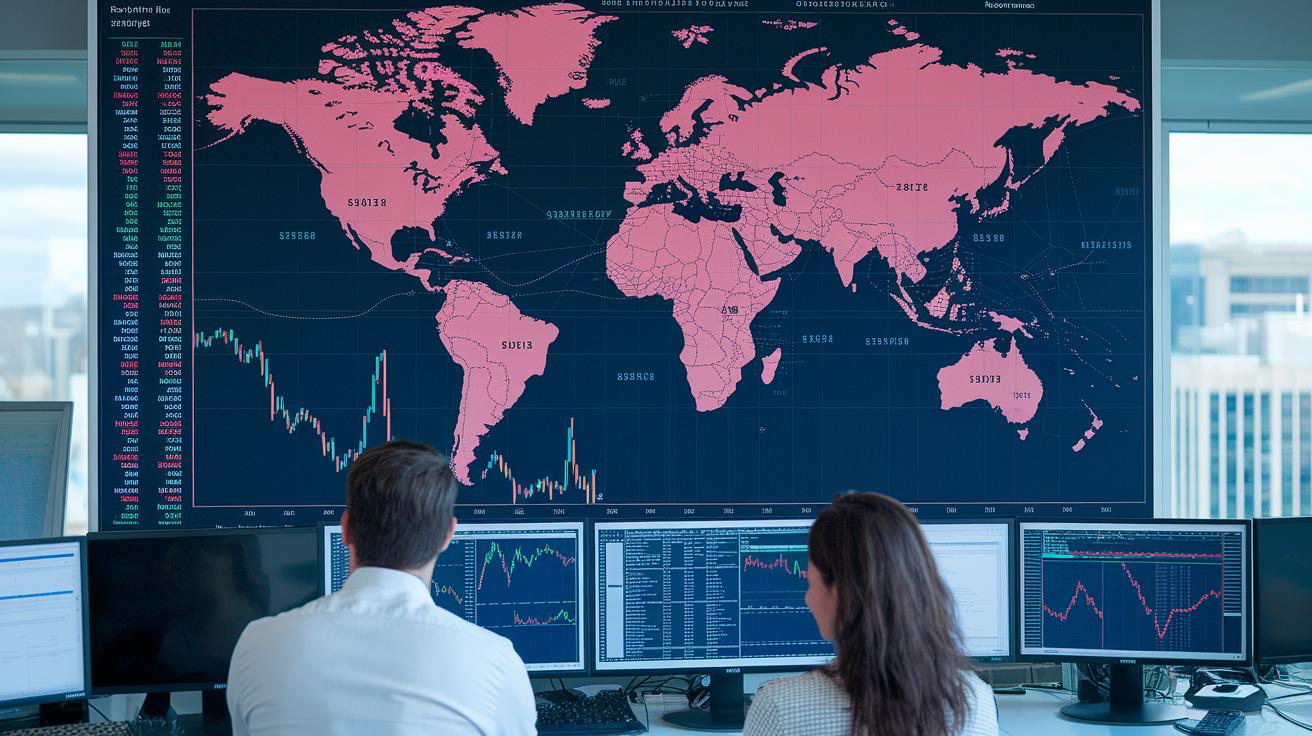
Primary markets are where fresh money enters the scene. Companies or governments sell new stocks or bonds to gather funds right away, sparking project start-ups. Secondary markets, on the other hand, let investors trade old securities, which keeps things flexible by making it easier to buy or sell investments.
Many businesses turn to equity financing by selling parts of their company, letting investors share in the success. At the same time, bond issuance means borrowing money with a promise to repay with interest. This mix of selling shares and borrowing funds meets different financial needs and shapes how countries join forces in the global market.
- Primary equity markets
- Secondary equity markets
- Corporate bond issuance
- Government debt markets
- Derivative instruments
All these market pieces work together like a connected network. As money travels across borders, it funds projects in many parts of the world. This not only strengthens international funding links but also helps investments find the best places to grow, no matter where they are located.
Global Capital Markets: Resilient Growth Ahead

When we talk about global capital markets, two main ways money moves between countries are through Foreign Direct Investment (FDI) and portfolio investments. FDI is like lending a helping hand to a business or project in another country, helping build strong, lasting ties. In contrast, portfolio investments are about quickly buying stocks and bonds to make the most of current market trends. It’s a bit like choosing between planting a tree for the long haul or catching a quick breeze.
Investors are constantly switching their focus between well-established markets and newer, fast-growing regions. While mature markets offer a sense of security, emerging economies are grabbing attention because they add fresh opportunities and help spread risk. Many investors are even reshuffling their portfolios to include more assets from these rising markets. This smart mix is part of the ever-changing scene in global finance, where both steady growth and quick wins have their place.
| Region Pair | Net Flow ($ bn) |
|---|---|
| North America – Europe | 25 |
| Asia – North America | 18 |
| Europe – Asia | 15 |
| Emerging Markets – Developed Markets | 10 |
Regulatory Landscape Shaping Global Capital Markets

Big names like IOSCO, the SEC, and ESMA set the rules that help guide our global capital markets and protect investors. They work hand in hand across different countries, creating common standards that companies must share in their public reports. This teamwork makes it easier for everyone to trust what they see when they buy or sell financial assets.
Across the world, local laws change who can see investment materials. In places like the United States and Canada, almost anyone can get access. But in other regions, like the UK (outside the EEA), Switzerland, DIFC, South Korea, Taiwan, Japan, China, and Latin America, only certain professional or qualified investors get full access. These rules are made to meet local laws and to keep newer investors from getting overwhelmed.
When regulators have different rules, it can change how money flows between countries and spark new ideas for financial products. Because markets in different countries have their own set of standards, investors and companies must be clever and flexible about their strategies. This variety not only challenges everyone to improve their offerings but also helps connect markets from around the world, boosting overall economic growth.
Volatility and Risk Assessment in Global Capital Markets
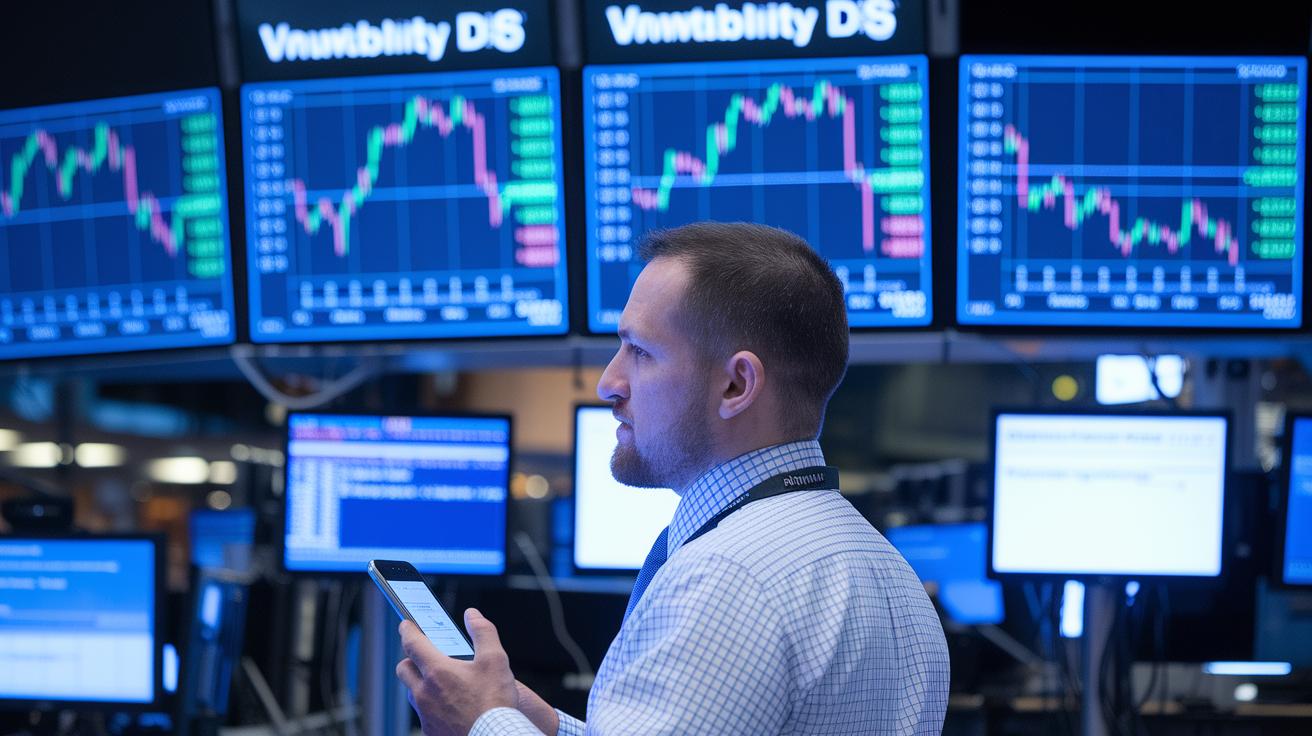
When we're checking out the global capital markets, think of volatility metrics and key indicators as taking the market’s pulse. They show us how quickly investment values can change. Looking at figures like standard deviation and beta gives us a clear idea of how wildly an asset’s price might fluctuate. These signals are like little hints that tell us when the market mood is shifting.
Here’s a simple framework to follow when assessing risk:
- Market risk quantification
- Credit risk scoring
- Liquidity stress testing
- Currency exposure analysis
- Scenario simulation
- Risk reporting
Currency exposure analysis deserves a special mention. Just like a sudden change in the weather, shifts in exchange rates can make asset values jump or drop unexpectedly. Even if past trends looked steady, these currency moves remind us that surprises are always on the horizon. Risk managers keep a close eye on these changes to understand how sensitive their portfolios are to shifts in the economy.
Investors don’t just passively watch the market; they take action to manage risks. They often use risk mitigation strategies, diversifying their assets, hedging against currency swings, or even using derivatives to smooth out price movements. In short, they set up a safety net to keep the impact of tough market times manageable.
Global Asset Allocation and Strategic Fund Deployment in Capital Markets

Modern portfolio theory helps investors worldwide build balanced portfolios by spreading money across different types of investments. Think of it like assembling a meal, you mix various ingredients to get a balanced flavor. This approach weighs risk against return and smooths out the bumps in the market by diversifying investments.
Investors combine several types of assets to manage risk more effectively. It’s like putting together a puzzle where every piece contributes to the bigger picture. If you ever need a refresher, just go back to the basic global markets definitions we covered before.
| Asset Class | Typical Allocation Range | Primary Benefit |
|---|---|---|
| Equities | 40-60% | Growth potential |
| Fixed Income | 20-40% | Income stability |
| Alternatives | 10-20% | Diversification |
Dynamic rebalancing and smart fund moves are key as the market shifts. Investors keep an eye on changes in the economy, market mood, and global events, then adjust their portfolios accordingly. This means making little tweaks day by day that fit into a bigger, long-term plan.
As the market evolves, regularly shifting parts of your portfolio among stocks, bonds, and alternative investments helps capture new growth chances while lowering risk. In a nutshell, a well-adjusted portfolio is like a finely tuned instrument, small changes can build up to strong, lasting performance.
Emerging Financial Hubs and the Future of Global Capital Markets

Singapore, Dubai, and Nairobi are quickly making a name for themselves in finance. Each of these city hubs is drawing in investors from around the world by carving out its unique space in the market. Singapore stands tall with its modern infrastructure and clear regulatory support. Dubai, strategically placed, thrives on free trade zones that attract business. Meanwhile, Nairobi is buzzing with tech innovation and is emerging as a key player in sub-Saharan Africa. Think of Singapore as a busy harbor where money flows in, building economic bridges that connect opportunity with growth.
Fintech is shaking things up in the trading world every day. Thanks to digital trading platforms and mobile finance, which mean tools are now more reachable, investors can cut delays and get the market’s pulse right at their fingertips. Imagine an app that tracks market trends in real time, making trading as intuitive as checking the weather. It really brings the process to life, adding a personal twist to how we all handle finance.
Green finance is also gaining a strong foothold around the globe, changing the way funds move across borders. More and more investors are digging projects that focus on clean energy and low-carbon solutions. For example, your money might find its way into solar or wind energy initiatives that not only promise rewards down the line but also help take care of our planet. It’s a smart, sustainable path that guides capital towards a better future.
Looking ahead to 2025–2030, experts see a market shaped by both big-picture trends and ongoing tech advances. The steady stream of economic data teamed with nonstop fintech innovation hints at a future where digital tools and greener practices lead the charge. In this ever-changing market landscape, finance adapts like a living organism, always evolving with each new chapter.
Final Words
In the action, we broke down how global capital markets support smart investments, from defining their role to highlighting strategic fund deployment. We explored market segments, regulatory influences, and risk factors in a clear, step-by-step way. Each insight lays a strong foundation for making informed moves. Stay positive and keep applying these ideas to boost your portfolio with confidence.
FAQ
What are the global capital markets?
The global capital markets refer to worldwide platforms where companies and governments raise funds by issuing stocks, bonds, and other securities, supporting long-term economic growth.
What do global capital markets do at Morgan Stanley and how do they relate to wealth management?
The global capital markets at Morgan Stanley identify funding opportunities and trade securities, while also linking to wealth management by offering tailored financial services to help clients grow their assets.
Is global capital markets part of investment banking?
The global capital markets function works alongside investment banking by focusing on raising funds, trading securities, and managing liquidity, thereby supporting broader financial advisory and funding strategies.
What career opportunities exist within global capital markets?
Careers in global capital markets include roles such as analysts, traders, and interns, where individuals analyze market trends, manage risks, and help structure complex funding transactions.
What role does BlackRock play in global capital markets?
BlackRock participates by offering comprehensive asset management and investment strategies that use global capital markets to optimize diversified portfolios and manage risk effectively.
What is a global capital markets analyst?
A global capital markets analyst studies market trends and data to guide investment decisions, assess risks, and support large-scale funding transactions for businesses and governments.
What does a global capital markets internship involve?
A global capital markets internship provides hands-on experience analyzing market movements, supporting trading operations, and assisting in financial studies, offering a strong start for a career in finance.
What is considered the largest global capital market?
The bond market is often seen as the largest global capital market, involving widespread debt securities issued by governments and corporations that facilitate major borrowing and investment activities.
Which firms are major players in global capital markets?
Leading firms such as Morgan Stanley, Goldman Sachs, BlackRock, JPMorgan Chase, UBS, and Citigroup drive global capital markets by offering diverse financial services, from trading to comprehensive asset management.