


Ever wonder if our global markets use secret tools to help keep your money safe? It might seem like a maze of strict rules, but these guidelines make sure everyone, big banks and everyday investors alike, plays fair. They work like a safety net, keeping the markets balanced and reducing risks. In this post, we explain how top regulators team up to help money move smoothly across countries, boosting trust along the way. In short, a strong set of rules can brighten the future of finance.
Global Markets Regulatory Environment: Bright Prospects
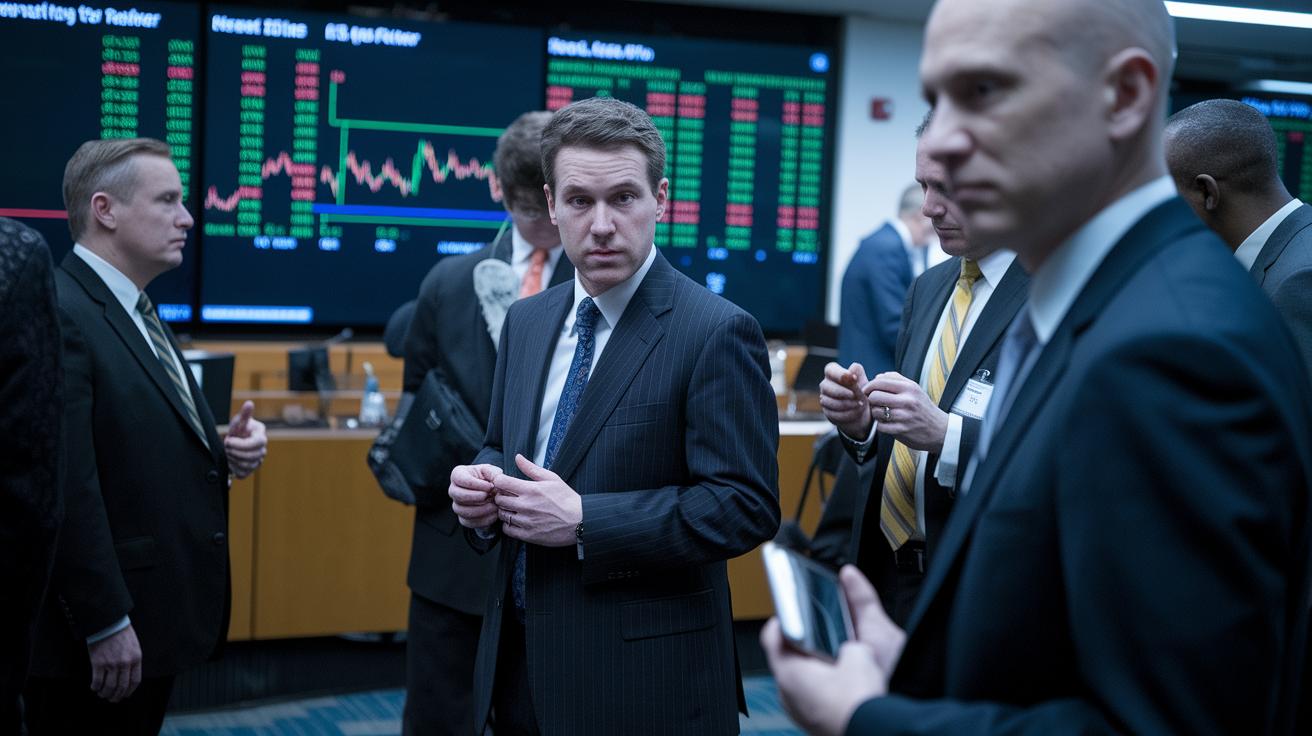
The global financial rules are like the safety net for our markets. Regulators set clear guidelines and policies that help markets run fairly, smoothly, and with transparency. They establish things like how much cash banks need to keep on hand (think of it as a backup plan), set up risk controls, and require companies to share important information. Ever imagine a market where everyone knows the rules? That’s exactly what these measures do, they keep things balanced and build trust among investors and consumers alike.
And when it comes to international trade, these rules really shine. They set consistent standards that help catch and reduce potential problems, making it easier for investors to make smart choices. With clear guidelines in place, countries can trade with less uncertainty, and transactions between borders become smoother. In short, these regulations act like a well-tuned instrument, they boost market resilience, protect against big risks, and help keep our economic engine running steady.
Key International Regulatory Frameworks Shaping Global Markets

International regulatory bodies are key players in keeping global financial markets safe and fair. They set the rules that lower risks, guide banks on how much money to hold (capital), and watch over trading to make sure everything is clear and honest. I've seen how these organizations work together like a well-practiced team, handling challenges that cross national borders.
| Regulatory Body | Year Established | Primary Function |
|---|---|---|
| FSB | 2009 | Coordinates systemic-risk standards |
| BCBS | 1974 | Defines bank capital regulation policies |
| IOSCO | 1983 | Enforces securities oversight across 115+ jurisdictions |
| BIS | 1930 | Acts as a central-bank cooperation forum |
| IMF | 1944 | Promotes monetary cooperation and exchange-rate stability |
| SEC | 1934 | Enforces national securities policy |
These organizations work side by side to shape market standards. They make sure that banks, brokers, and other players follow the same set of rules. This helps lower the chance of sudden market troubles and keeps things transparent, which builds trust for both investors and everyday consumers.
They also check on institutions with both on-site visits and remote reviews. So, when a crisis hits, they’re ready to act together to manage risks and adjust to new challenges. In essence, their ongoing efforts to coordinate policies and develop strong standards keep our global markets steady and reliable.
Comparative Analysis of National Regulatory Approaches

Looking at how different countries set up their market rules helps us see how risks are managed, investors are kept safe, and policies are enforced. You can see that every nation shapes its own rules to match its market needs and economic plans, all while aiming for openness and fairness.
Take the United States, for example. Here, the SEC (set up in 1934) and the CFTC (started in 1974) have long made sure that markets stay open, investors are protected, and complex financial products (like derivatives, which are contracts based on other assets) are closely watched.
Over in Europe, MiFID II and ESMA work together to form a unified set of rules for many countries. They ensure consistent supervision, strict best-execution standards (rules that ensure trades happen fairly), and clear capital requirements (the money needed to run businesses) to keep the market trustworthy.
Then in the U.K., the Financial Conduct Authority, established in 2013, handles consumer protection and fair conduct rules. Especially after Brexit, they’ve had to adjust quickly to new market conditions. It’s impressive how fast they can respond in a constantly shifting regulatory scene.
In emerging markets like China and India, things work a bit differently. They run two sets of rules: one for banks and another for the stock market. Recent changes in these regions focus on letting more foreign players join in, pointing to a shift toward more open practices. These faster moves stand out compared to the more established systems in the U.S., Europe, and the U.K., showing just how dynamic global regulation can be.
Impact of Compliance Standards on Cross-Border Market Operations

Compliance standards help shape international trade and investment by setting clear, accessible rules. Rules like anti-fraud, capital controls, and anti-money laundering (AML, which means stopping illegal money activities) work like a sturdy foundation, keeping finance flowing smoothly and making sure money can be easily exchanged. It’s like everyone speaks the same language when it comes to fairness, which cuts down confusion and builds trust in cross-border deals.
Trade Law Analysis
Think of regulatory treaties and dispute-resolution groups as referees in a big game. They lay out straightforward rules about tariffs, quotas, and other trade barriers, making sure every player sticks to the same playbook. By following guidelines from groups like the WTO and regional agreements, they help keep trade disputes to a minimum. For example, many companies used to struggle with different tariff rules in various countries, now, a consistent approach makes transactions smoother, much like syncing clocks across borders.
Cross-Border Surveillance Mechanisms
Monitoring systems work like sharp-eyed watchdogs for global markets. They’re set up to catch problems like market abuse, insider trading, and risky algorithmic trading. Regulators use modern tools to ensure everyone complies with AML standards and similar rules, linking different regions with a network of alerts. I’ve seen firsthand how real-time alerts can stop a small issue from becoming a costly mistake. These systems play a crucial role in keeping our global market secure.
Evolution of Regulatory Trends and Emerging Oversight Challenges

Recent advances in technology, like algorithmic trading, distributed ledger systems, and the Internet of Things in finance, are changing the way rules work. Fintech companies now need special digital compliance rules and stronger safeguards for customer data. Regulators are racing to keep up by introducing new digital laws, including updated rules for data protection and privacy (you can check out more details here). This drive for clear rules has brought in real-time compliance metrics and risk dashboards that give market players easy-to-understand insights.
At the same time, officials are stepping up rules against money laundering and fraud. They’re also paying close attention to new digital finance products, making sure that credit and payment services follow enhanced oversight. With these updates, regulators are working hard to keep the market safe and fair while still supporting innovation.
- Managing rules for algorithmic trading
- Setting up strong cybersecurity guidelines for digital finance
- Making sure data privacy laws work across borders
- Watching over fintech credit and payment services
- Improving anti-money laundering (AML) and fraud controls in decentralized finance
- Monitoring digital asset transfers between countries
- Using real-time systems to track compliance
So, in a nutshell, recent rule changes show a forward-thinking approach to today's digital challenges. The combined efforts to create tougher rules and better monitoring tools are all about protecting the market from digital risks while still allowing new ideas to flourish. As these challenges keep changing, everyone involved is adapting to make sure oversight stays strong and that global markets remain safe and active.
Strategic Risk Management Protocols in Global Regulatory Environment

Regulators visit sites and review data off-site to catch risks and take quick action. They use smart tools that sift through real-time data, imagine this: one day, a tool spotted odd trading behavior that stopped a serious market drop. They also run training programs, helping new regulators learn how to spot issues early. And, central banks work together on plans and liquidity controls (basically, how easily money can move) to keep things steady during tough times.
Companies follow similar playbooks by blending regular internal audits with strong crisis plans. They keep a constant check on risks and design backup strategies that fit the rules. For example, one company’s audit revealed a gap in their controls, which led them to completely update their crisis management plan. This all-around method not only builds investor trust but also helps maintain market stability without simply repeating old ideas.
Future Outlook: Forecasting Regulatory Reforms in Global Markets

We’re entering a period where banks will handle risk in a whole new way. Basel IV bumps up capital and leverage requirements, and experts see this as a game changer for market reforms. Teams from the IMF and FSB are teaming up to create standard rules for digital finance, making it easier for regulators everywhere to follow a clear, unified framework. You might even notice upcoming trade deals include sections on cross-border data flows, privacy, and fintech oversight to help keep rules aligned.
There’s also a growing push for RegTech, which you can think of as technology that tracks compliance in real time. This shift gives a fresh look into how future trends can help match regulation with the fast-changing global landscape.
Keeping up with new rules is now a must. Investors and regulators are both using trend forecasting to spot policy updates early and adjust their plans accordingly. When we all play by the same rules, it smooths the ride during market shifts.
With a forward-looking mindset, public and private sectors can build strong monitoring systems. This not only supports innovation but also helps maintain market stability, the kind of balanced approach that makes navigating financial change less daunting.
Final Words
In the action, our blog explored how regulators shape markets with solid policies that promote fairness and transparency. We broke down international bodies, compared national approaches, and looked at emerging trends driving today’s financial rules.
By examining the global markets regulatory environment, we learned how predictable oversight can foster a responsive, exciting market. The insight from each section can boost your confidence for smart, positive portfolio moves.
FAQ
Global markets regulatory environment examples
The global regulatory environment includes examples such as the standards set by the SEC, Basel Committee, and IOSCO that help ensure market fairness, transparency, and efficiency.
The ability to compete and participate in the global market is which of the following terms?
The ability to compete and participate in the global market is known as global competitiveness, which relies on robust regulatory frameworks and effective compliance strategies.
Deloitte Regulatory Outlook 2025
The Deloitte Regulatory Outlook 2025 highlights shifts in digital oversight, evolving anti-fraud measures, and enhanced data-protection practices influencing how global markets adapt to new compliance standards.
Market regulation drawbacks
Market regulation drawbacks can include slower decision-making and higher compliance costs, which may sometimes limit business agility while still protecting investor interests and maintaining market stability.
Entering into global business in the U.S. includes which of the following advantages?
Entering global business in the U.S. offers advantages like access to deep capital markets, advanced technology, and robust infrastructure, fostering opportunities for growth and innovation.
What are the advantages of deregulation?
The advantages of deregulation include increased market efficiency, reduced compliance costs, and more flexibility for businesses, which can stimulate growth and encourage competitive practices.
Regulatory landscape meaning
The term regulatory landscape refers to the complete set of rules, policies, and guidelines established by governments and agencies that shape how markets operate and how businesses meet compliance standards.
What is the regulatory environment in marketing?
The regulatory environment in marketing encompasses laws and guidelines governing advertising and consumer protection, ensuring that market communications are truthful, transparent, and fair.
What is a global regulatory strategy?
A global regulatory strategy is an approach by which businesses plan and manage compliance across multiple international markets, aligning operations with diverse regulations to maintain competitiveness.
What are the 4 types of regulation?
The four types of regulation typically include market regulation, financial regulation, environmental regulation, and consumer protection regulation, each designed to maintain order and fairness in its sector.
What is global regulatory compliance?
Global regulatory compliance means adhering to the various laws and standards set by different countries, ensuring that businesses operate safely, transparently, and within established legal frameworks.