

Have you ever noticed how a few key numbers can change the mood around the world? Think of steady U.S. Treasury yields, rising gold prices (which means the cost of gold is going up), and a strong dollar, all signs that investors are feeling hopeful despite some tougher economic signals.
Markets are playing it safe yet showing hints of growth. People are still discussing inflation (when prices keep rising) and labor trends (shifts in job markets), but overall, these numbers suggest there might be some bright opportunities ahead.
In this post, we break down how these important figures shape investor choices. Stick with us, and let’s see what these trends could mean for your next move.
Key Trends in Investor Sentiment Across Global Markets
Investors around the globe are keeping a close eye on market vibes as the numbers hint at changing moods. For instance, U.S. 10-year Treasury yields are steady between 4.00% and 4.20%, signaling a calm bond market. At the same time, gold has climbed past $4,000 an ounce, as many see it as a safe bet during uncertain times. And with the U.S. dollar index peaking at a two-month high, currency players are treading carefully. All these figures play a big role in shaping how investors set up their portfolios.
Recent notes from the Fed tell an interesting story, officials remain split over the risks of high inflation and a softer labor market. Even with these mixed signals, many investors are still backing equities. Take the Michigan Consumer Sentiment index, which is now at 55; it shows that while there are worries about what the future holds, most folks feel their finances are stable for now. This mix of steady asset performance and careful consumer outlook helps analysts understand the overall investor mood.
| Metric | Current Value |
|---|---|
| Treasury Yield | 4.00–4.20% |
| Gold Price | Over $4,000/oz |
| Dollar Index | Two-month High |
| Consumer Sentiment | 55 |
Overall, the global sentiment today weaves caution with optimism. Investors are balancing tough economic realities against exciting opportunities in equities. If you’re looking for a deeper dive into these trends, check out the latest insights in global market analysis.
Regional Variations in Global Market Investor Sentiment
Investors around the world aren’t feeling the same way. Some regions show signs of worry, while others spark a bit of hope as people adjust their portfolios while watching market performance, geopolitical worries, and local economic hints.
In North America, particularly in the U.S., it's a careful mix of strong stock performance and steady bonds. Folks are watching how consumers feel, and this creates a cautious yet supportive vibe for stocks. Bond yields bring a sense of calm, while the steady run of stock indices adds an upbeat counterpoint.
Over in Europe, the mood is quite different. Major indexes tell the story, STOXX Europe 600 fell by 1.10%, the DAX slid down 0.56%, and France’s CAC 40 dropped by 2.02%. Markets in Italy and the UK aren’t having the easiest time either, with Italy’s FTSE MIB dropping 2.80% and the UK’s FTSE 100 easing 0.67%. These shifts point to a cautious atmosphere, where fiscal challenges and political changes tend to stir up uncertainty.
In the Asia-Pacific region, feelings are a bit of a mixed bag. Japanese indexes are on the rise, with the Nikkei 225 climbing 5.07% and TOPIX growing by 2.19% amid recent political changes. Meanwhile, markets in China and Hong Kong show less pep; the CSI 300 slipped by 0.51%, the Shanghai Composite climbed only 0.37%, and the Hang Seng tumbled 3.13%.
When you compare these regions, it’s clear that each faces its own struggles. Yet, across the board, there’s a common theme, a balancing act between a careful look at economic risks and small pockets of optimism.
Economic Indicators Shaping Global Investor Sentiment
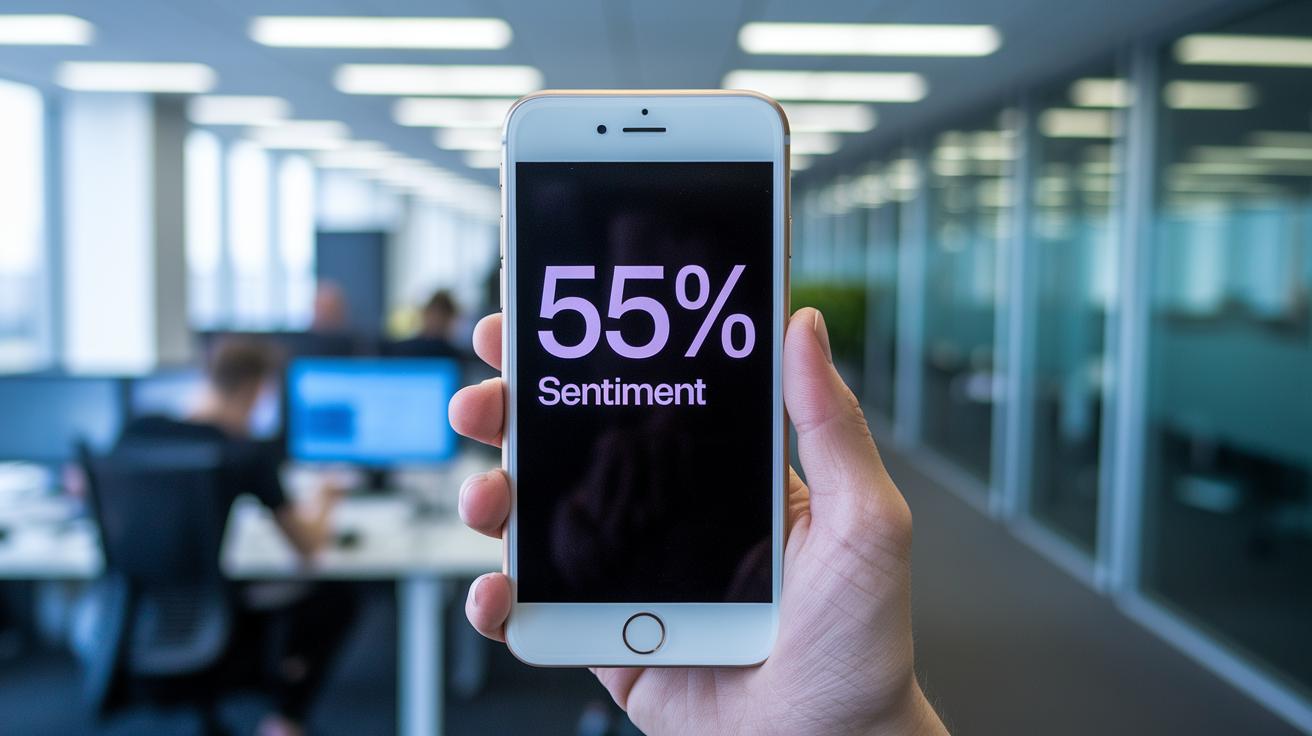
The Michigan Consumer Sentiment index sits at 55. This tells us that, even though people’s money matters seem solid right now, there’s a cautious vibe about the future. Folks feel secure for today, but they’re keeping an eye out for any bumps in the road. If you want to dive deeper on how this feeling steers market moves, check out this link: impact of economic indicators on equity markets.
In the housing world, things are shifting a bit too. The UK house price index has dropped by 0.3%. It’s a small change, but even a little dip can signal that the market’s feeling a bit of pressure. That subtle change might make investors think twice, hinting that the overall economy could be softening in the long run.
Monetary policy is adding its own twist. Recently, countries like the Philippines and Poland have cut rates because inflation is under control. This stands in contrast to the Fed’s notes about high inflation risks and job market jitters. These mixed signals mean investors are staying alert, watching closely for any big moves.
All in all, these different clues, from how consumers feel to small shifts in housing and careful tweaks in monetary policies, paint a picture of today’s market mood. Investors are enjoying current strengths while staying ready for whatever might come next.
Effects of Trade Tensions and Geopolitical Factors on Investor Sentiment in Global Markets
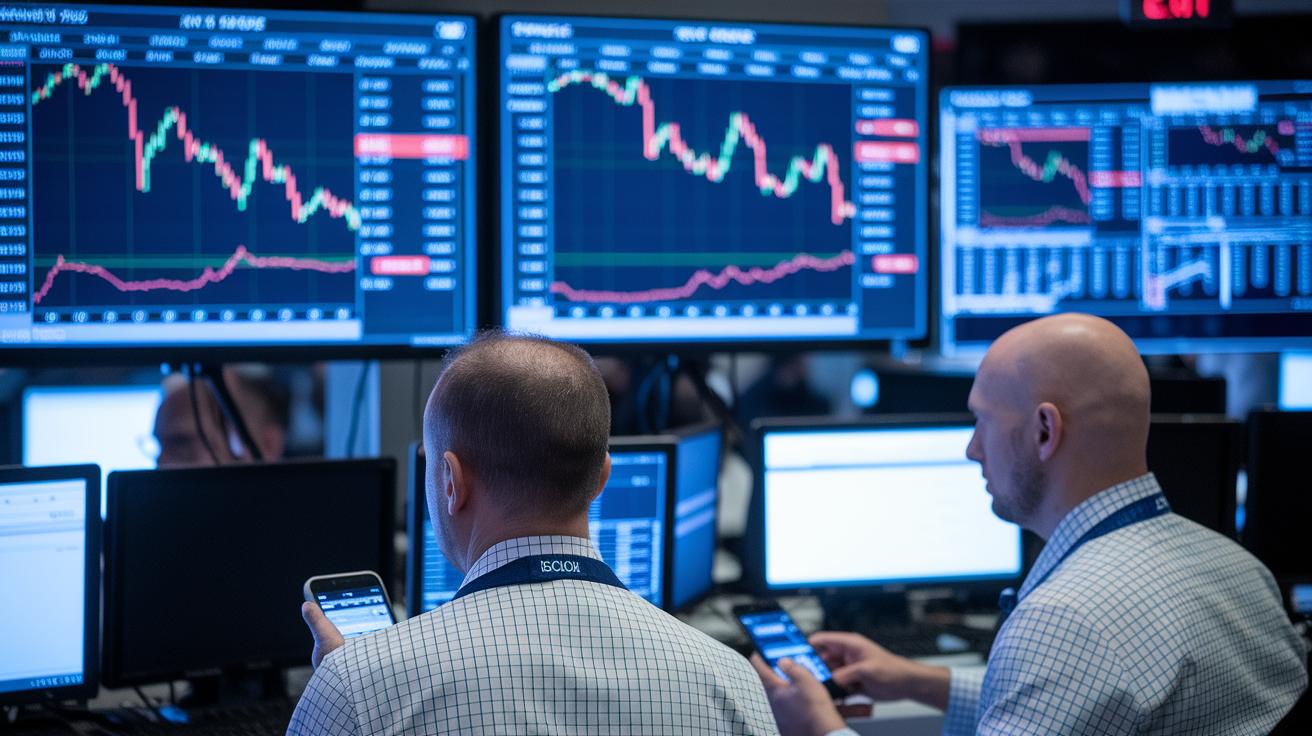
Trade tensions between countries have left many investors feeling uneasy. U.S.-China tariff threats have hit U.S. stocks hard, and the possibility of new tariffs often sends ripples through the markets. Traders are now rethinking their risk because even a small change in policy can stir up nervousness and shift the flow of money worldwide.
At the same time, ongoing geopolitical issues like the Russia-Ukraine conflict and tense spots in the Middle East are pushing investors toward safer bets. You know, when the world feels unstable, many of us naturally crave a sense of security in our investments.
On top of that, warnings from the Reserve Bank of Australia about trade uncertainty have made many steer clear of riskier assets. Now, people are paying extra attention to economic stability and how global unrest impacts market behavior. Key events shaping this mood include:
- U.S.-China tariffs
- Russia-Ukraine tensions
- Flashpoints in the Middle East
- RBA trade concerns
When you put it all together, these factors lead many investors to lean toward safe havens like gold and U.S. Treasuries. With everyone bracing for more market swings, these outside pressures keep pushing us toward the comfort of reliable investments in uncertain times.
Investor Sentiment Trends in Emerging Markets

Asian markets are in constant motion. The Hang Seng dropped 3.13%, the CSI 300 slid by 0.51%, while the Shanghai Composite edged up by 0.37%. Even if these rapid changes seem familiar, shifts in local rules, like new government policies or sudden currency swings, can quickly alter investor feelings.
In Latin America and Africa, fresh signals are emerging too. Take Brazil, for example, where new fiscal strategies and changing commodity prices mix caution with hope in a way quite different from Asia. One investor mentioned that when energy policies shift, market funds flow like water finding new channels. It’s a clear sign that local forces add their own flavor to market reactions.
Some emerging markets act differently because of unique political events or regulation changes. Local elections or abrupt new rules often prompt investors to lean toward safer bets, such as government bonds, over riskier stocks. One investor even said that a sudden rate change made them switch part of their portfolio into treasury notes in an instant.
Investor risk appetite shifts when local conditions change. In uncertain times, many market players reassign their capital by moving toward secure assets or commodities. So when a local council announces unexpected measures, funds can quickly shift from stocks to the safety of government securities.
Forecasting Techniques for Global Market Investor Sentiment

Traders are always coming up with fresh ways to watch the market, using both short-term and medium-term charts to catch swift movements. They often work with 5-minute, 1-hour, and 4-hour charts, stacking several indicators on top of each other to spot trends and decide when to set stop-loss orders. So, when a trader sees a breakout on a 5-minute chart and confirms it on a longer one, they get a layered view that helps manage risk and catch early trend changes.
They don’t just rely on one outlook, either. Traders mix quick moves, usually looking at a 6–12 month snapshot, with longer-term strategies that can stretch over five years. This blend helps them ride out ups and downs while stopping to adjust their investments as the market mood changes. Some even use detailed tools to help predict how stock prices might speed up, which is like having a weather forecast for the market.
A smart approach is to mix technical signals with big-picture economic data. By putting chart trends together with overall economic clues, investors can create a fuller picture of what’s happening. This way, they know better when to jump in or exit a trade.
Even so, no forecasting trick is foolproof. Models need regular tweaking to keep up with the market’s ever-changing beat, and even the best plans can struggle during sudden shocks or unexpected events. Staying alert and flexible is key to keeping pace with the market’s quick turns.
Strategies to Navigate Sentiment-Driven Volatility in Global Markets

Investors these days are spreading their money across different regions and types of assets because market moods can shift quickly. Many are adding more U.S. stocks to their portfolios while still keeping a safety net with U.S. Treasuries, gold, and bitcoin. This blend helps manage risk when market feelings change on a dime. And with tools like stop-loss orders and regular check-ups, they can adjust their holdings as sentiment evolves.
Risk control also comes from hedging techniques that shield against sudden price swings. Some investors choose options or similar strategies to soften the impact of a quick downturn. These moves help cut down exposure during wild market days while still giving a chance to ride upward trends when confidence returns. It’s all about balancing safety measures with opportunities to grow without putting all your eggs in one basket.
Diversification and smart risk defenses work best when they're part of a bigger, well-planned portfolio. Investors often spread their funds across different sectors and regions, which can help one gain offset another loss when surprises hit the market. Using various asset classes and having clear rules on when to exit positions can make the difference between a few bumps and serious setbacks.
Keeping a close eye on market behavior often gives hints about when to tweak these strategies. When you see that investor sentiment is starting to get nervous, it might be time to adjust allocations or tighten your stop-loss rules for extra protection.
Simple steps like setting up regular reviews, relying on key technical signals, and sticking to your rebalancing plan can build a solid framework. In short, these tactics create a ready approach to handle the ups and downs driven by market sentiment.
Final Words
In the action, we traced key trends shaping worldwide emotion, from major economic indicators to shifts in consumer mood and trade tensions. We examined regional twists, practical forecasting methods, and tactical strategies for smoother portfolio handling.
We also touched on emerging economies and risk appetite changes that add texture to our view of markets. Stay tuned to global markets investor sentiment to help guide your future decisions with a clear and informed perspective.
FAQ
What does the global markets investor sentiment chart show?
The global markets investor sentiment chart shows current investor moods by tracking key metrics like Treasury yields, gold prices, and consumer confidence. It helps highlight whether investors feel optimistic or cautious.
Where can I find a global markets investor sentiment PDF?
The global markets investor sentiment PDF report compiles detailed data and analysis on investor attitudes, often including historical performance and key metrics that help readers assess trends over time.
What data is highlighted in global markets investor sentiment 2022 insights?
The global markets investor sentiment 2022 insights reveal key figures such as rising Treasury yields, strong gold prices, and shifts in consumer confidence, guiding investors in understanding underlying market moods.
How is market sentiment measured today?
Market sentiment today is measured through surveys, real-time charts, and indexes that capture investor moods. These tools combine technical data and behavioral trends to reflect current trading emotions.
What is the investor sentiment index?
The investor sentiment index quantifies market feelings by aggregating survey data and trading trends. It serves as a gauge to indicate whether investors lean towards optimism or caution based on current market conditions.
How does the Fear and Greed Index crypto work?
The Fear and Greed Index crypto works by evaluating factors such as price volatility, trading volumes, and investor surveys. It then assigns a score that indicates whether digital asset traders are feeling fearful or greedy.
How accurate is US investor sentiment analysis?
US investor sentiment analysis uses surveys, consumer indexes, and market charts to estimate investor moods. While no tool is perfect, these measures provide valuable insights into domestic market optimism or caution.
What is the 7% rule in stock trading?
The 7% rule in stock trading suggests that traders limit losses by capping potential negative moves at around 7% of their position. This rule helps manage risk and protect trading capital from large downturns.
Why are global markets falling?
Global markets are falling due to rising yields, inflation concerns, and geopolitical tensions. These factors contribute to increased risk aversion among investors, driving a shift towards safer assets.
What is global market sentiment?
Global market sentiment refers to the overall mood of investors worldwide. It reflects a mix of economic indicators and geopolitical events that influence whether market participants are generally optimistic or cautious.
What is the best market sentiment indicator?
The best market sentiment indicator typically combines multiple measures such as investor surveys, price trends, and indexes like the Fear and Greed Index, offering a comprehensive view of investor feelings.