


Ever wonder if the market’s mood is hiding right in the numbers? Think of volume analysis like checking your own heartbeat. When there’s a flood of trades, it’s like a strong pulse that shows excitement, while quiet moments might mean things are a bit hesitant.
By blending this insight with what you see in price movements, you’re able to spot genuine chances to profit. This guide walks you through mixing volume with classic techniques so you can read the market’s rhythm clearly. It’s all about feeling the market’s beat and trading smartly with confidence.
Integrating Volume Analysis In Technical Analysis
Volume analysis is a way to check how many shares or contracts are traded over a set period. When prices rise while volume is high, it shows that many traders back the move. But if volume is low when prices change, it suggests that traders might not be so sure. Think of it like checking a heartbeat: a steady beat tells you all is well, while a skipped beat warns you to pay attention.
Traders rarely rely on volume alone. They mix it with other tools like chart patterns and technical indicators to confirm what the market might be saying. For example, combining volume data with candlestick forms can help show if a breakout is solid or just a fluke. When a stock breaks out with volume levels far above its 20-day average, it’s like getting a clear nod from the market. Looking at volume over a longer time smooths out random spikes that might mislead you.
| Parameter | Insight |
|---|---|
| High Volume | Confirms trend strength |
| Low Volume | Indicates weak market interest |
Using volume analysis with price action helps traders see potential reversals and stick with trends that have clear backing. It’s a balanced approach that can boost your confidence when making trading decisions.
Volume Analysis Technical Analysis Sparks Profitable Trades

On-Balance Volume, or OBV, is a cool tool that adds volume on days when prices go up and takes it away on down days. It gives a clear picture of whether buyers or sellers are in charge. Imagine glancing at your trading app and noticing the OBV line rising along with the price – that’s a hint that the smart money is joining in.
Volume RSI works in a similar way. Instead of watching price changes, it focuses on the up and down swings in trading volume to spot shifts in momentum. It’s like tuning into the heartbeat of the market.
Then there’s the Money Flow Index (MFI) and Chaikin Money Flow. These tools mix price and volume data over time to show whether there’s more buying or selling pressure. Think of them as a simple thermometer that tells you if the market’s starting to heat up or cool down. Close by, the Accumulation/Distribution Line keeps an eye on money flow to reveal the underlying strength behind price moves. Ease of Movement adds another layer by looking at how quickly prices change in relation to volume. And when the Negative Volume Index shows up, it might mean that some sharp, informed traders are active in the market.
- OBV: Adds volume on up days and subtracts it on down days.
- Volume RSI: Focuses on volume movements instead of price changes.
- MFI and Chaikin Money Flow: Combine price and volume to show market pressure.
- Accumulation/Distribution & Ease of Movement: Highlight the flow of money and how easily prices move.
- Negative Volume Index: Points to possible smart-money activity.
For a deeper dive into these methods, check out Technical Analysis Indicators – https://nftcellar.net?p=1523.
Advanced Volume Tools And Profile Techniques
Advanced volume tools give you a fresh, clear look at how the market moves. One tool, Volume by Price, shows how trades spread out over different price points. It points out where most trades happen, marking zones of strong support or resistance. It’s like checking out the busiest parts of a highway; those clusters hint at where traffic might slow down or suddenly shift.
Then there’s VWAP, which stands for Volume-Weighted Average Price. VWAP mixes price and volume into one average number that tells you the trading price during a session. Think of it as a quick test to see if the price is high or low compared to the day’s flow. When the price is above the VWAP, it often means strength; if it’s below, you might want to be cautious.
Relative Volume is another handy tool that compares current trading numbers to past averages. This helps you spot unusual market activity early on. For example, a sudden spike might reveal growing interest before a move. Many platforms even offer special features like VWAP Boulevard for live tracking, helping you catch unexpected shifts right away.
- Volume by Price: Shows where most trades gather.
- VWAP: Offers a volume-adjusted average price.
- Relative Volume: Points out trading moves that differ from the norm.
- VWAP Boulevard: Tracks market trends live for quick insights.
All these volume tools help you see details that simple price charts might miss. They give you a fuller picture of the market, which can be a real advantage when you’re making trading decisions.
Volume-Based Trading Strategies In Technical Analysis
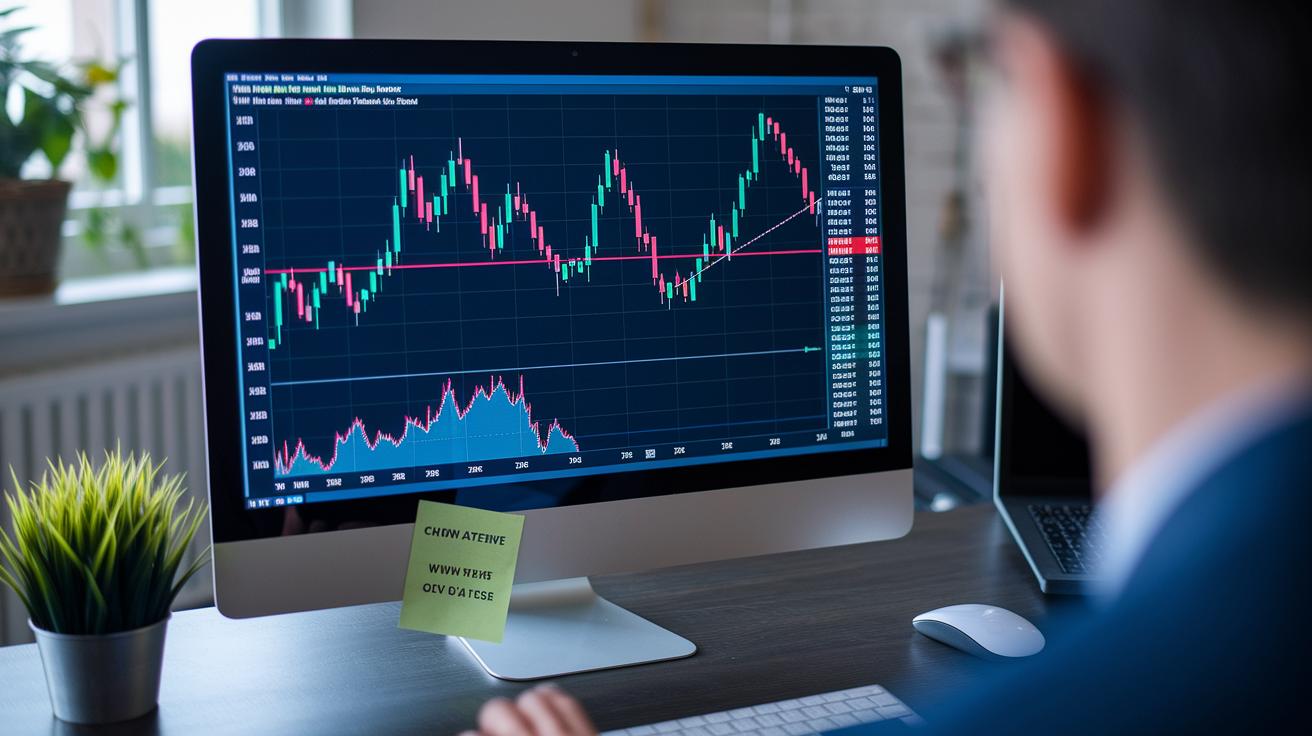
Volume signals help traders catch the right moments to jump in or step out. When volume builds up, using tools like OBV (On-Balance Volume, which tracks money flow) or Volume RSI (a tool comparing volume with price moves), it feels like riding a strong wave. When prices break out along with a volume surge, it sets the stage for a clear move.
Candlestick patterns mixed with big volume spikes give extra clues for your trades. When these signals match key levels like support, resistance, or moving averages, they boost your confidence. Imagine noticing a pattern at a crucial level with a burst of volume; it’s just like a green light telling you it’s safe to go.
Keep an eye on volume divergence, too. If prices hit new highs or lows but the volume stays weak, it might be a hint that a change is coming. It’s like a quiet reminder that the market may be losing its strength.
- Volume confirmation shows a trend is real when breakouts come with high volume.
- Pairing candlestick signals with volume spikes helps fine-tune when to enter and exit.
- Blending several volume cues alongside key technical levels builds a steadier trading plan.
- Noticing volume divergence can alert you to possible reversals and help plan your exit.
Limitations And Best Practices For Volume Analysis
Volume analysis is best used to back up your other signals instead of standing on its own. When trading is slow or prices swing a lot, the volume numbers can feel mixed up, kind of like trying to hear a whisper in a noisy room. This can easily throw you off track if you’re not careful.
One way to handle this is by using filters to cut through the clutter. For example, set a threshold so that only big volume spikes get your attention. This helps you ignore random up-and-down movements and focus on the big changes that really count. I once heard about a trader who missed a small volume drop, only to see his ideal entry vanish in a burst of true market activity. That moment really drove home the importance of good filtering.
Spotting inefficiency zones, times when volume patterns don’t work as expected, can also help you lower your risk. In these zones, regular rules might not apply, so it’s smart to combine volume analysis with other risk management techniques. Think of it like adding a stabilizer to a wobbly bike; it helps keep everything steady.
- Filtering methods help clear the noise.
- Finding inefficiency zones can boost your risk control.
- Using extra risk management tools protects your trading plan.
By following these tips, traders can strengthen their setups against mistakes and be less likely to fall for misleading volume signals.
Volume Analysis Technical Analysis Sparks Profitable Trades

A real-life strategy showed how mixing volume surges with divergence signals can generate impressive returns, a 17.53% yearly gain over 24 years. Picture this: when prices broke above an important barrier and volume spiked, it was like the market gave a clear thumbs up for an upward move. In plain terms, when volume shot up, it backed the price move, even if the price action itself wasn’t totally clear.
In another case, a trader spotted that prices hit a high while volume trailed behind. This clear mismatch hinted that a turnaround might be coming, so the trader quickly adjusted the plan. Basically, looking at both volume numbers and divergences can really sharpen how you decide when to enter or exit a trend.
Stock markets make it easier to track volume, while forex markets might need different tricks to catch the same signals. Checking past volume trends can help you spot when a breakout or a reversal is about to happen, so you can time your moves just right.
| Key Insight | Outcome |
|---|---|
| Merging volume with divergence signals | Strong trend confirmation and confident entries |
| Mismatched price and volume trends | Early warning signs for reversals |
| Adapting methods for stock vs. forex | Improved trend prediction and timing |
Final Words
In the action, this post shows how volume analysis technical analysis can clarify market trends. It covers basic readings, key indicators, advanced tools, and risk considerations, all through real examples and cost-effective strategies. The breakdown connects volume signals and price moves to confirm trends and pinpoint trading opportunities. Each insight helps you refine your decisions and boost confidence when market conditions shift. Stay engaged, apply these tips, and keep pushing forward to make smarter trade decisions.
FAQ
What is trading volume analysis PDF?
Trading volume analysis PDFs provide detailed guides that explain how to read volume charts and use volume data to spot trends, making it easier for traders to understand market movements.
What is a volume analysis technical analysis example?
A volume analysis technical analysis example shows how rising prices with strong volume indicate a robust trend, helping traders confirm market movements and spot potential reversals.
How is volume analysis used in trading?
Volume analysis trading uses volume data alongside price action to identify strong trends or potential reversals, guiding traders to make more informed entry and exit decisions in the market.
What are recommended volume analysis trading books?
Volume analysis trading books offer detailed methods and real-world case studies that explain how to apply volume data in trading. These resources make technical concepts accessible for practical trading.
What is a volume analysis indicator?
A volume analysis indicator is a tool that uses trading volume to show buying or selling pressure. Examples include OBV and volume RSI, which help traders uncover trend strength and possible reversals.
What is a volume analysis platform?
A volume analysis platform is trading software that displays real-time volume data and charts, allowing traders to quickly see volume patterns and assess market sentiment.
What is volume in the stock market with an example?
Volume in the stock market refers to the number of shares traded during a time period. For example, a sudden rise in traded shares during a price increase can show strong investor interest.
How does volume analysis contribute to technical analysis?
Volume analysis contributes to technical analysis by confirming price movements and highlighting potential trend changes, helping traders gauge market strength and plan effective trade entries and exits.
What is the 80% rule in volume profile?
The 80% rule in volume profile means that about 80% of trading volume occurs within a specific price range, which helps identify key support and resistance levels for traders.
What is the 3 5 7 rule in trading?
The 3 5 7 rule in trading is a guideline indicating price levels or time frames where volume surges can validate potential entry or exit points, assisting traders in making more confident decisions.
What is the 90% rule in trading?
The 90% rule in trading suggests that nearly 90% of price action or volume tends to occur within certain ranges, which helps traders set expectations and plan their trading strategies accordingly.