


Have you ever wondered why Tesla's financing options get everyone talking? When you’re looking at a Tesla, you really have two choices. One is a quick digital process run by Tesla itself, and the other is the traditional way using third-party programs, kind of like comparing deals at your local store.
Imagine checking out clear loan details and even getting a tax credit of up to $7,500 (that’s money back from the government). It turns buying a Tesla into more than just buying a car, it’s a smart step for your financial future.
In this post, we’ll break down these clever financing strategies, showing you how getting behind the wheel of a Tesla might actually be a win for your wallet.
Tesla Finance Options: In-House and Third-Party Programs
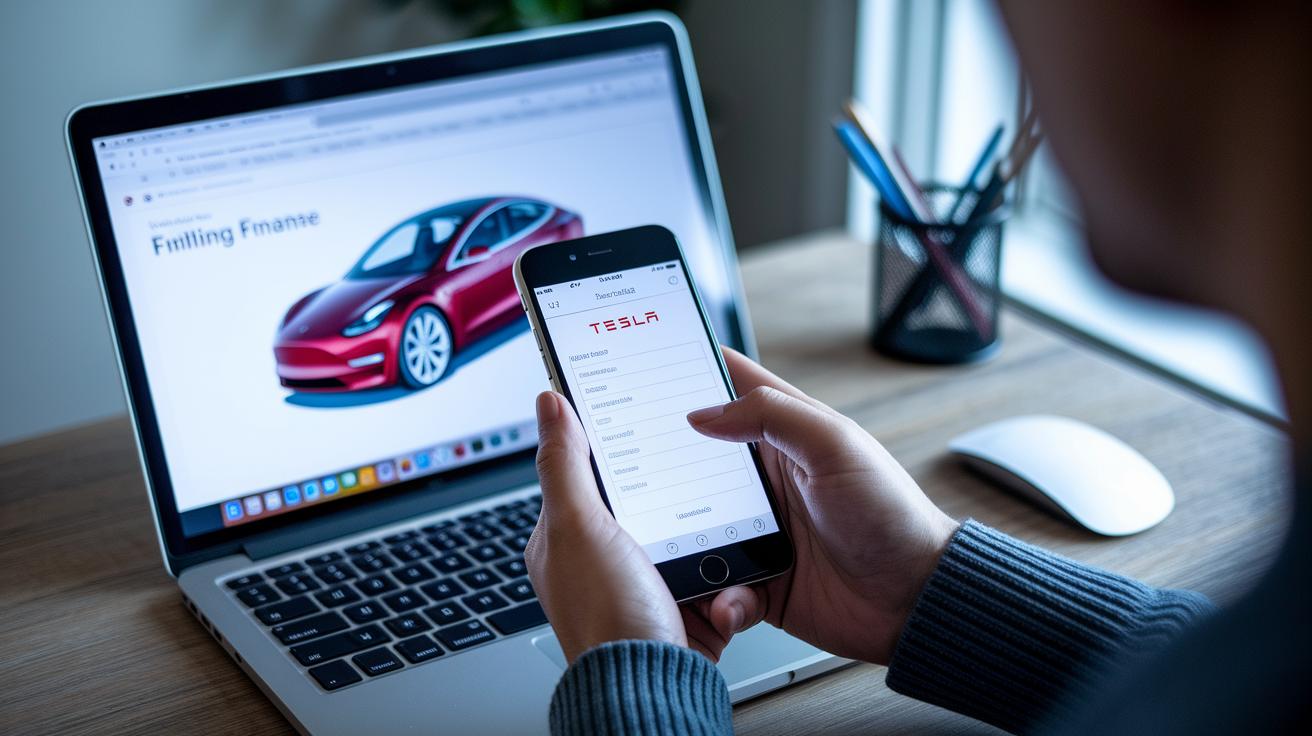
Tesla makes owning one of its cars simple with its in-house financing. You start by filling out a few forms with your credit and income details. It’s a bit like ordering your favorite meal online, quick and straightforward. Once you’re in a state where this option is available, Tesla’s digital system takes over, speeding you through the process and giving you a loan offer almost immediately, based on your credit history. When you’re ready to drive a car starting at $42,490, this option lets you move fast and feel confident about your purchase.
If you prefer to explore other paths, you can use third-party financing. This means working with banks, credit unions, or online auto loan providers to secure a loan. In this case, your credit score still matters, a higher score usually means a lower rate. You’ll compare offers and check how the monthly payments fit into your budget. Think of it like comparing grocery deals; you look at different options to find the best price for your car loan, taking into account your income, credit, and a possible down payment.
There’s also a neat bonus: you might qualify for a federal EV tax credit. This can lower your cost by up to $7,500 right at the time of sale. However, there are income limits and price caps that determine who gets this credit. Most Tesla loans run for about 72 months and come with helpful tools like loan calculators. These tools track your monthly payments in relation to the car’s depreciation (how much the car’s value goes down over time), so you can see your balance drop faster than the car’s worth. It’s all about balancing tax benefits, loan terms, and depreciation to build a smart plan for owning a Tesla.
Tesla Finance Tools: Loan Calculators and Estimators
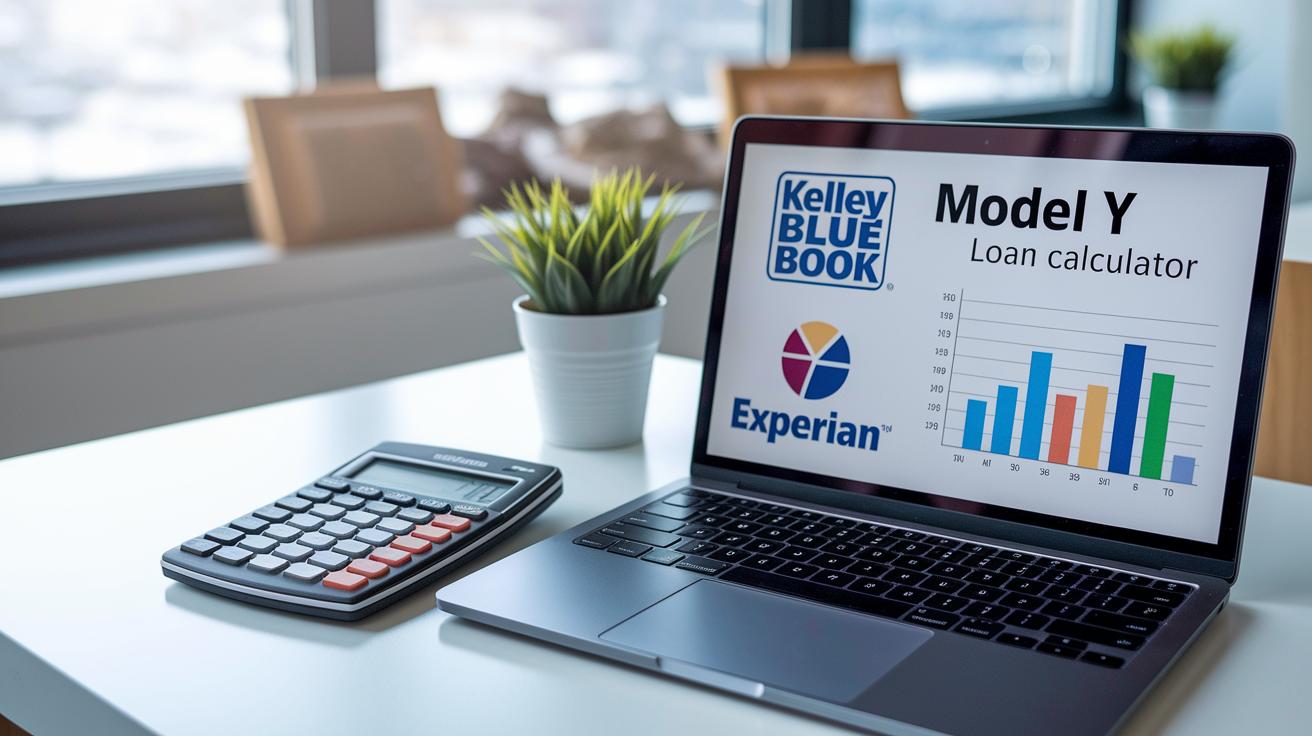
Tesla offers some handy online tools that give you a clear picture of how your monthly payments measure up against your car’s decreasing value. These interactive loan calculators, like the Model Y Loan Calculator, help you sync your payment plan with how quickly your car drops in value. They pull in data from trusted places like Kelley Blue Book and Experian (a credit reporting company) to figure out your monthly payments based on your credit score and create simple payment schedules. For example, one calculator suggests that the Model 3 might lose around $32,300 over 72 months, so you can see that your payments are cutting down your balance faster than your car’s value falls.
| Calculator Feature | Description |
|---|---|
| Resale Value Projection | Compares the car’s current value with how much you still owe on your loan. |
| Monthly Payment Estimation | Calculates your monthly payments using credit details from Experian and Kelley Blue Book. |
| Amortization Schedule | Creates a timeline that shows how each payment reduces your loan balance. |
| Comparative Rate Analysis | Helps you compare different interest rates and overall ownership costs. |
These tools give Tesla buyers a real sense of control over their finances, making it easier to plan payments smartly and with confidence.
Tesla Finance Incentives and Lease vs Purchase Analysis
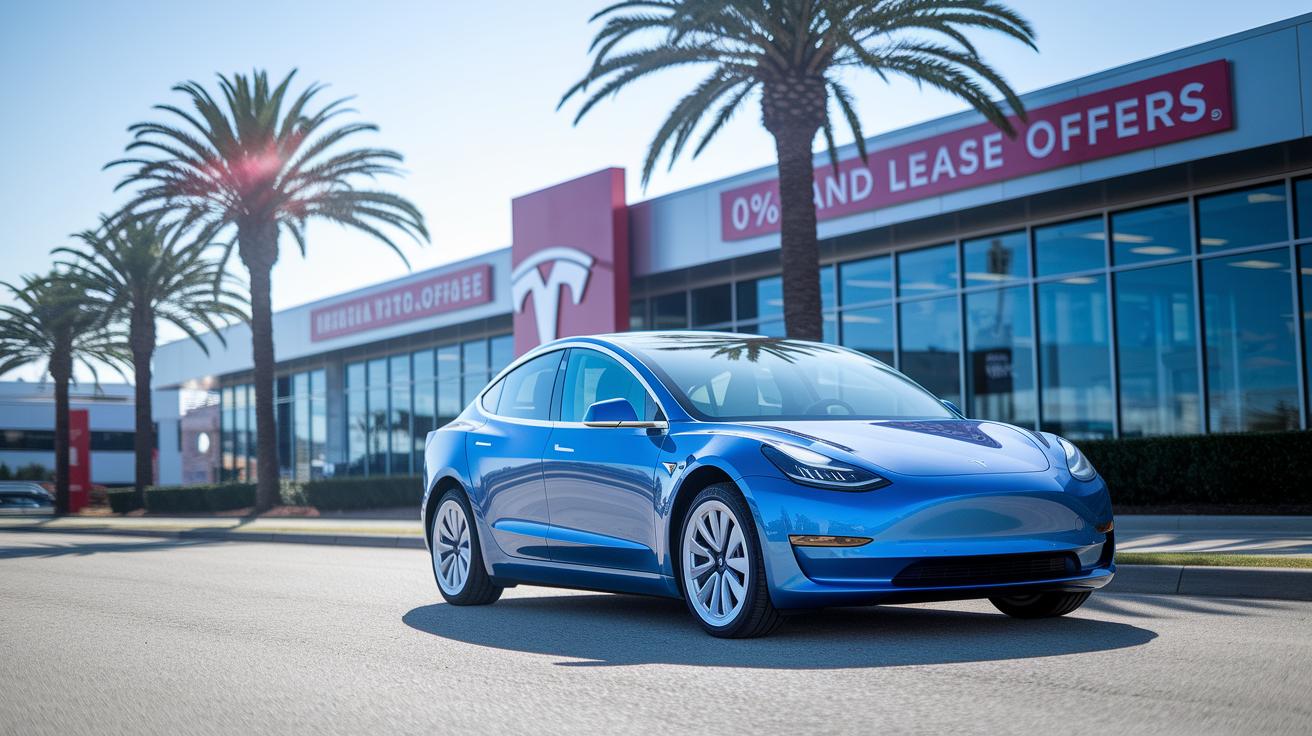
Tesla’s Q2 2024 promotions bring some cool financing deals that make owning one of their cars even more attractive. They’re rolling out low APR options and, on some models, even zero-interest leases. This means buyers can spend less on interest and keep their monthly payments tight. For example, if you finance a Tesla, you might snag a much lower APR, or you might decide a zero-interest lease is the way to go, both options make jumping into green vehicle ownership a bit easier on your wallet.
Leasing is a popular pick for many, though it isn’t available in every state. Currently, you can lease a Tesla in most places, but states like Arkansas, Kentucky, Nebraska, New Hampshire, Oklahoma, South Carolina, and Wisconsin are out. In places where leasing is offered, you usually get flexible terms along with a basic limited warranty that covers four years or 50,000 miles. Some customers even opt for an extended warranty for an extra two years or 25,000 miles to help ease any worries about unexpected repairs. This setup is perfect if you like lower monthly bills and the freedom to upgrade your ride frequently without being tied down for too long.
The decision between leasing and buying comes down to your personal financial picture. Leasing tends to offer lower monthly payments and shorter commitments, which can be very appealing if you prefer fresh models and don’t want to worry much about maintenance due to warranty coverage. On the flip side, buying a Tesla builds equity over time and sometimes comes with the option of extra service agreements that go beyond the standard warranty. Each choice has its perks, so it really depends on whether you value short-term savings and flexibility or long-term investment and ownership.
Tesla Finance Cost Projections and Ownership Expenses

The Model 3 starts at $42,490 and is expected to lose about $32,300 in value over 72 months. This drop stands out when you compare it with other vehicles, as many mid-priced sedans depreciate at a different pace. It’s a bit like watching a smartphone lose value as new features arrive, a clear sign of innovation and shifting market trends.
Your credit score really matters here. If you have a higher score, you can secure lower APRs (annual percentage rates, which determine how much extra you pay on a loan). In Q2 2024, better credit often meant better financing options, much like getting a discount on a big purchase. Imagine snagging a better price simply by shopping smart; it’s a real game-changer.
Monthly payment estimates come from trusted tools that pull data from sources like Kelley Blue Book and Experian. They also consider current market trends and the effects of longer loan terms. Even a slight increase in the APR might feel like spending an extra cup of coffee each month, but over time, those little amounts add up. It shows that these figures aren’t just numbers; they reflect everyday spending decisions.
Tesla Financial Performance and Market Position

Market Share Trends
Tesla held a huge 43.5% share of the global electric vehicle market in Q1 2025. That’s not just a win in numbers, it shows buyers and investors really believe in Tesla's technology and brand. New models, coming in around $40,000, continue to boost demand and push competitors to up their game. In one quarter, Tesla outpaced many traditional automakers, capturing nearly half of the global EV market. It’s clear that Tesla’s grip on the market is not only firm but growing.
Implications for Finance Programs
This strong position paves the way for Tesla’s finance programs to offer competitive loan terms with attractive interest rates. They’ve set up financing options that cater to a wide range of buyer needs, making it simpler for customers to find loans that fit their budgets. Plus, strong market numbers inspire more innovative products and boost investor confidence in Tesla’s credit offerings. A solid market share can lower perceived risks, which in turn encourages lenders to offer better rates and terms. All of this shows how Tesla’s financial strength is driving smarter, more flexible auto loan solutions.
Tesla Finance FAQs and Application Tips

Tesla financing might seem tricky at first. But don’t worry, we’re here to help you break it down in plain language. Let’s dive into some common questions you might have:
-
What credit score do I need for the best rates?
A strong credit score often means lower interest rates, helping you save money over time. -
How much should I put down?
A good down payment can lower your monthly bills and reduce the total interest you pay. -
What documents do I need?
Make sure you have proof of income, a photo ID, proof of where you live, and your insurance details. If you’re after an EV tax credit, you’ll also need extra documents to confirm your income and the car’s price. -
Can new credit lines affect my application?
Yes, opening new credit lines right before you apply might bump up your interest rate or even lead to a denial. -
Why might my credit be denied?
It could be because of a low credit score, too much debt compared to your income, or missing important paperwork. -
How do I know if I qualify for specific payment plans?
Your eligibility depends on your credit strength, the size of your down payment, and your current debts.
Before you apply, take some time to review your documents and avoid making any major changes to your credit. Getting everything in order can speed up the process and make you feel more confident about your auto loan application.
Final Words
In the action today, we explored Tesla finance options, from in-house programs to third-party loans. We walked through online estimators, promotional incentives, and ownership cost projections. Each section provided clear steps on securing a loan, understanding rate structures, and evaluating lease versus purchase for a well-rounded financial view. The discussion also spotlighted Tesla’s market position, offering practical tools and insights to help boost your confidence in managing your portfolio. Stay positive, keep learning, and let smart strategies guide your financial future.
FAQ
What is the Tesla finance phone number?
The Tesla finance phone number is available through Tesla’s official website. You can easily locate it by visiting the finance section for direct contact with their service team.
How do I access the Tesla finance login?
The Tesla finance login is your secure gateway to account information. It allows you to review loan details and manage your financing easily when you log in online.
What does Tesla finance Model Y mean?
Tesla finance Model Y refers to the financing plans and loan options offered for purchasing the Model Y, including flexible terms and online preapproval procedures available in supported states.
How does the Tesla finance calculator work?
The Tesla finance calculator estimates your monthly payment by comparing the ongoing vehicle value with the remaining loan balance, helping you plan your finances more clearly before buying.
What is Tesla Finance LLC and its address?
Tesla Finance LLC is the arm of Tesla handling in-house vehicle financing. Its contact information and address can be found on Tesla’s official website for customer support and inquiries.
What does Tesla finance 2025 indicate?
Tesla finance 2025 points to upcoming financial projections and evolving loan offerings. It reflects Tesla’s ongoing innovation in finance programs and adjustments for future market conditions.
How are Tesla financing rates determined?
Tesla financing rates depend on your credit profile, down payment, and market conditions. Rates vary for each applicant, ensuring the best possible terms based on individual financial situations.
Does Tesla offer 0% financing or a 0.99 interest rate?
Tesla may offer promotional low-rate financing occasionally, but it does not regularly provide a standard 0% or 0.99% interest rate as terms depend on credit eligibility and location.
What is the $7,500 credit for Tesla?
The $7,500 credit refers to the federal EV tax credit applied at purchase, which helps reduce the overall cost for eligible Tesla vehicles within specified income and MSRP limits.
Which company handles Tesla’s financing?
Tesla Finance LLC is the company managing Tesla’s in-house financing options. It provides lending services that simplify the buying process for eligible customers in supported regions.