


Ever wondered if your day trading wins are secretly costing you more than you think? Even when you’re on a roll, each profit you make is treated like regular income, which means it gets taxed at your usual rate. That can turn your quick successes into surprise bills.
In this post, we'll break down how your gains and losses play out with the taxman. We'll also share some handy tips to help lower your tax bill. Stick around, and you'll see that managing day trading taxes isn’t as complicated as it might seem.
How Day Trading Profits Are Taxed

When you day trade, your profits count as short-term capital gains. That means they’re taxed at the same rate as your regular income, usually between 10% and 37%. In simple terms, if you’re quickly buying and selling stocks, ETFs, options, or even cryptocurrencies that you’ve held for less than a year, your earnings get added to your usual paycheck for tax purposes. It’s like scoring a quick bonus in a race; that bonus is taxed just the same as your steady earnings.
When you make money from these trades, you owe tax on the gains. And here’s a useful tip: losses from your trades can help ease your tax bill. Without any special elections, you can use losses to offset your gains by up to $3,000 each year (or $1,500 if you’re married and filing separately). Think of it like keeping a daily diary where every loss helps lower your overall taxable income, as long as you stay within the limits.
Also, be mindful of the wash sale rule. This rule stops you from claiming a loss if you buy the same security within 30 days. It’s in place to prevent quick repurchases just for a tax break, ensuring that your deductions match your real trading activity.
For active investors, keeping clear and detailed records is key. Maintain trade logs and annual brokerage statements so you have everything you need when filling out your tax forms. Picture your trading log as your financial diary, every recorded trade makes tax season a little less stressful.
Understanding the Mark-to-Market Election for Day Traders

The mark-to-market election lets you handle gains and losses from day trading as if they're part of a regular business. In other words, you report your trades just like a small shop would report its daily sales and expenses, and this approach could lower your overall tax bill.
You must make this election by April 15 of the prior tax year using IRS Section 475(f). Just imagine setting a reminder that says, "Mark-to-market election deadline, April 15!" This little note can help ensure you don't miss this important tax option.
By choosing this method, you also remove the wash sale rule, which usually stops you from claiming a loss if you rebuy the same stock within 30 days. Interestingly, one trader even dodged a $500 loss by switching to mark-to-market status, turning what might have been a setback into a deductible business expense.
Plus, this election lifts the $3,000 loss cap, so you can carry forward all your net operating losses. Basically, if you're a self-employed investor, this method can help manage the steep taxes that come with rapid trades, making your tax situation much easier to handle.
Qualifying for Trader Tax Status as a Day Trader

The IRS wants to see that you run trading like a small business. That means you should be at it for more than 30 hours a week and often make around 4 to 5 trades each day. Think of it this way: every trade is like a sale at your own shop.
There isn’t a strict law that spells out who qualifies as a trader. Instead, tax court cases help guide the decision. If you meet these criteria, you can report your trading income on Schedule C. This opens the door to extra deductions like a home office write-off, health insurance premiums, or even retirement contributions. Basically, you’re seen more like a business than just an investor.
On the other hand, if you don’t meet these standards, you will have to report your gains on Schedule D. That means many deductions might be off limits, which could mean losing important tax breaks.
The IRS insists on clear evidence of your trading activity. So, keeping detailed records is key, think of it like maintaining a careful log of your daily business operations. Some traders go a step further by aligning with rules like the pattern day trader guidelines, which really shows they’re serious and active in the trading world.
Key Deductions and Record-Keeping Strategies for Day Traders
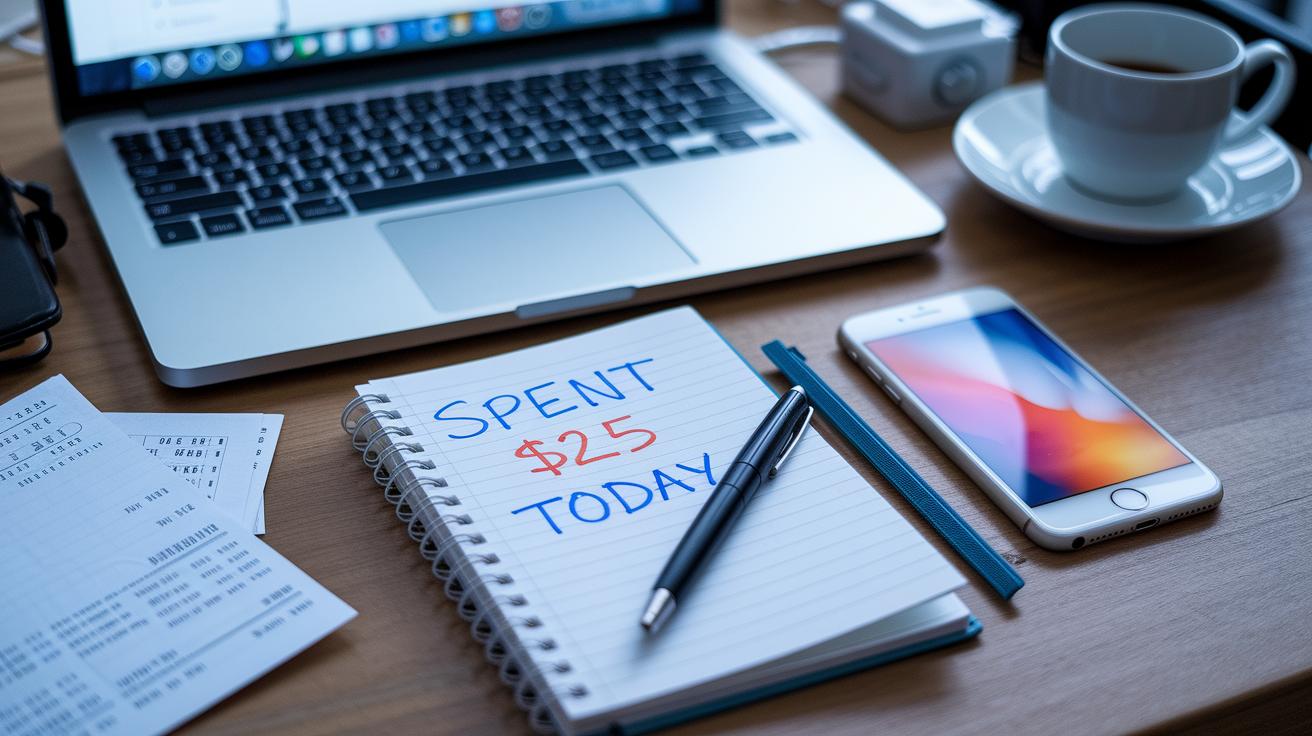
Day traders can trim their tax bills if they keep track of every trading expense and maintain clear records. You can deduct costs for things like trading platform fees, data subscriptions, educational resources, home office expenses, and even margin interest.
It’s like keeping a daily diary. As soon as you pay a fee, jot it down, for instance, "Spent $25 today for premium real-time data." Such simple notes can lower your taxable income later.
Keeping a detailed log of trades and holding onto your annual brokerage statements is key. These records help you match gains with any losses and provide a solid backup if the IRS ever takes a closer look. Just note the date, amount, and a brief description for each entry. It’s like building your own financial journal that captures the heartbeat of your trading activity.
If you use the mark-to-market election, the benefits stretch even further. Losses can count as unlimited business losses that you carry forward, making careful documentation even more crucial. Every recorded trade could be a game changer when you’re calculating your taxable income.
Many traders find specialized software like TradeLog helpful. These tools, which usually run between $109 and $350 a year, gather your profit and loss data from various brokers and even handle wash sale adjustments automatically. They make sure every deductible expense is in place and ready for when the IRS lines up the paperwork.
Filing Requirements, Deadlines and Estimated Payments for Day Trading
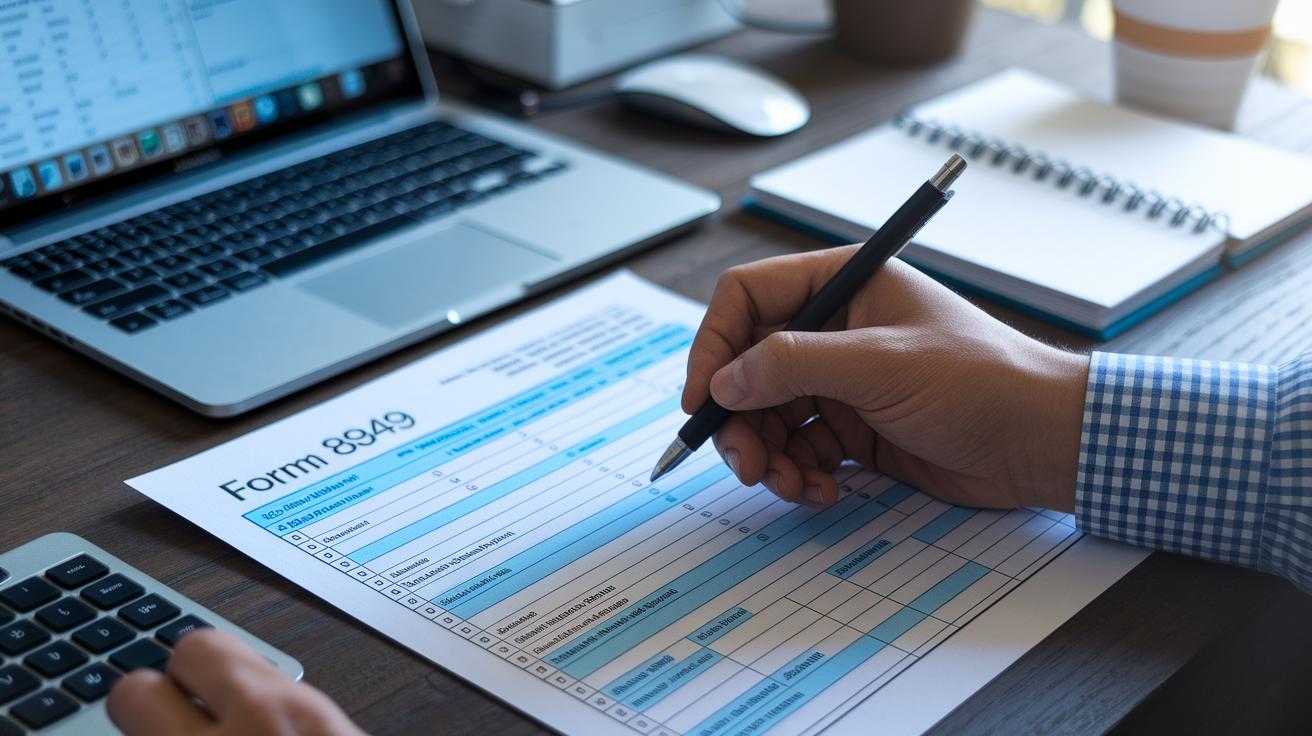
Filing taxes as an active trader means keeping an eye on important dates and forms so you don’t get hit with penalties. Every year, April 15 is your big deadline. That’s when you need to file your tax return and any elections, like the mark-to-market election if you want to treat your trades as business income. It’s a yearly reminder to get your trading records sorted.
Your trades should be reported on Form 8949 and then summed up on Schedule D if you're not set up as a trader for tax purposes. But if you do qualify, you might file on Schedule C, which gives you access to extra deductions. Keeping track of these forms helps make sure your trading activity is clearly recorded.
By February, brokers send a Form 1099-B, which lays out your trade proceeds and even shows the cost basis for each sale. Without this form, putting together all your trade details would be like trying to solve a puzzle with missing pieces.
To avoid penalties for underpayment, don’t forget about quarterly estimated tax payments. These come due on April 15, June 15, September 15, and January 15. Setting reminders for these dates is as important as noting the results of your trades, helping you keep a smooth financial track record.
State-Level Taxes, Crypto Considerations and Advanced Strategies
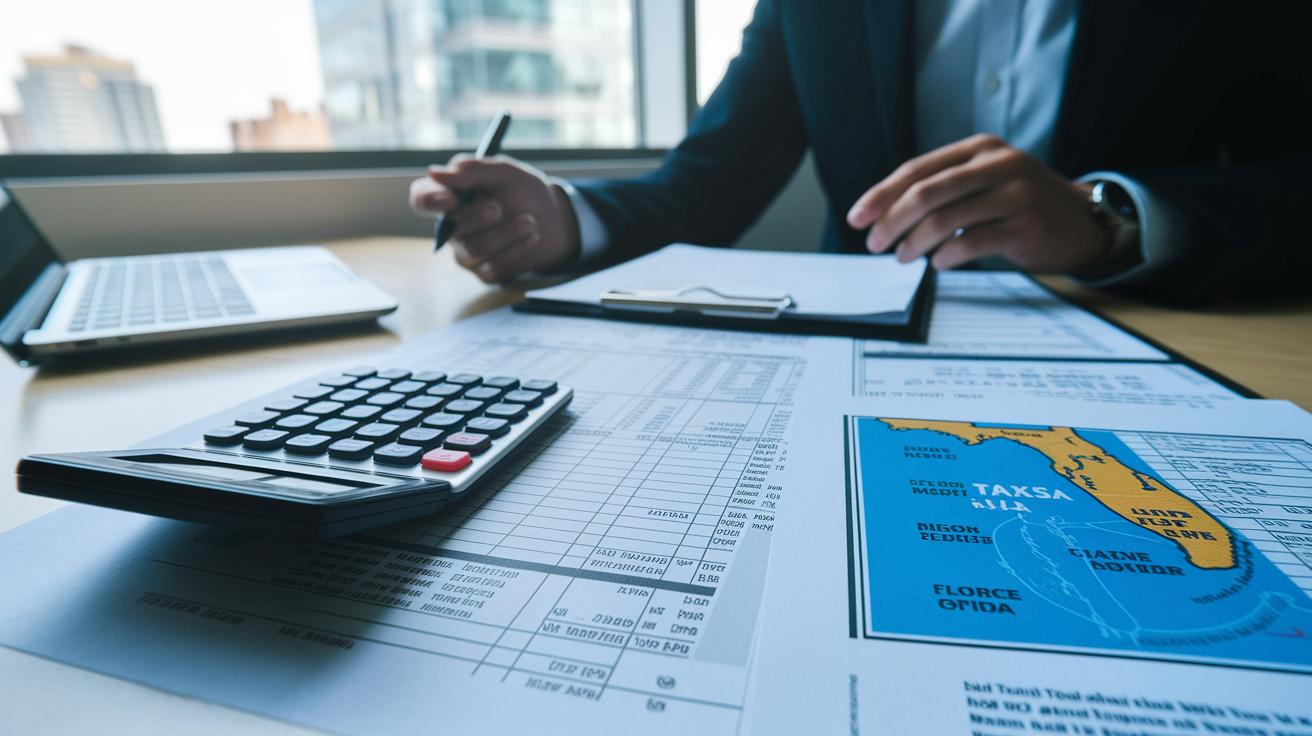
State tax rules can really shape the taxes you owe from day trading. In the U.S., capital gains taxes aren’t set in stone. For instance, traders in states like Florida or Texas might see little to no tax on their gains. But if you’re in California, you could be hit with rates over 13%. It’s almost like a shocker when you realize, “Wow, in California, gains can be taxed similar to the highest income brackets, sometimes topping 13%.” Basically, where you call home plays a huge role in what you owe.
Cryptocurrencies bring another twist to your tax story. The IRS views digital coins like property, which means every sale, swap, or trade counts as a taxable event. Think of it like trading baseball cards, every trade could add up to your tax bill. So, make sure to jot down every single crypto trade, because even the little ones can add up when tax time comes around.
For seasoned traders looking to ease their tax burden, planning ahead with some advanced techniques is a smart move. Some folks set up a solo 401(k) trading plan or decide to go with an S-corp structure to cut down on self-employment taxes. Plus, forming an LLC can offer extra benefits when handling tax liabilities. These methods let you treat your trading as a business, which could really change the whole tax picture for you.
- Take a close look at state-specific rates before you plan your trades.
- Keep detailed records of every crypto sale.
- Consider advanced setups like a solo 401(k) trading plan or S-corp elections.
Even on an international level, strategy makes a difference. Take Canada, for instance. There, non-professionals are taxed on just 50% of their gains, while those trading professionally count all gains as business income. Smart tax planning can really be a game changer for active traders aiming to get the best returns.
Final Words
In the action, we walked through how day trading profits are taxed as short-term gains and explored the mark-to-market election, trader status, key deductions, and essential filing deadlines. We broke down what you need to know for clear reporting and planning. This guide makes taxes for day trading more approachable, so you can tackle the challenges with confidence. Keep your records clear, stay mindful of deadlines, and let your strategy empower you to take on the market with ease.
FAQ
Frequently Asked Questions
What are taxes for day trading in Reddit discussions?
Reddit discussions on taxes for day trading emphasize that profits are taxed as short-term capital gains at ordinary income rates, and traders need precise recordkeeping and smart strategies such as using tax calculators for accurate reporting.
What is a day trading tax calculator?
A day trading tax calculator estimates the tax due on rapid trades by applying short-term capital gains rates and accounting for expenses, helping traders plan their financial moves more efficiently.
How do day traders reduce their tax liability?
Reducing tax liability for day traders involves strategies like electing mark-to-market status and qualifying for trader tax status, which allows for business expense deductions and offsetting gains with losses.
Do day traders pay taxes quarterly?
Day traders often pay taxes quarterly by making estimated tax payments throughout the year, ensuring they meet IRS requirements and avoid underpayment penalties.
What does day trader tax status mean?
Day trader tax status means the IRS recognizes your trading as a business activity if you trade frequently, which can offer benefits like filing on Schedule C and deducting home office and other expenses.
How are capital gains taxed on day trading profits?
Capital gains from day trading are typically subject to short-term rates, meaning profits from assets held under one year are treated as ordinary income and taxed accordingly.
How do California taxes affect day traders?
In California, state taxes on day trading profits can be high since capital gains are taxed at the state’s individual income tax rates, sometimes exceeding 13%, adding to federal tax liabilities.
How much tax do day traders typically pay?
The tax a day trader pays varies by income, as short-term gains are taxed at ordinary rates ranging from 10% to 37%, possibly increased by state taxes based on residency and earned income.
Why is $25,000 required to day trade?
The $25,000 requirement comes from the pattern day trader rule, which mandates that a trader must maintain this minimum balance in accounts when making four or more day trades in a five-day period.
How should day traders prepare their taxes?
Day traders should organize detailed trading records, use reliable tax software, and report transactions on forms like 8949 and Schedule D (or Schedule C for trader status) to correctly capture gains, losses, and deductions.
How much money might day traders earn daily with a $10,000 account?
Earnings on a $10,000 account vary greatly; while some may earn modest daily gains, many factors like market conditions and strategy play a role, so there is no fixed average profit per day.