


Ever notice how the market sometimes feels like it’s dancing with the seasons? Seasonality in technical analysis reminds us that history often repeats itself. For instance, data shows that certain months tend to deliver stronger price moves, like the S&P 500, which has seen gains in late-year months nearly 70% of the time.
Today, we're diving into these seasonal trends and sharing tips on how to spot them using years of data. By understanding these cycles, you can plan your trades with extra confidence, turning the yearly rhythm into smart market insight.
Understanding Seasonality in Technical Analysis
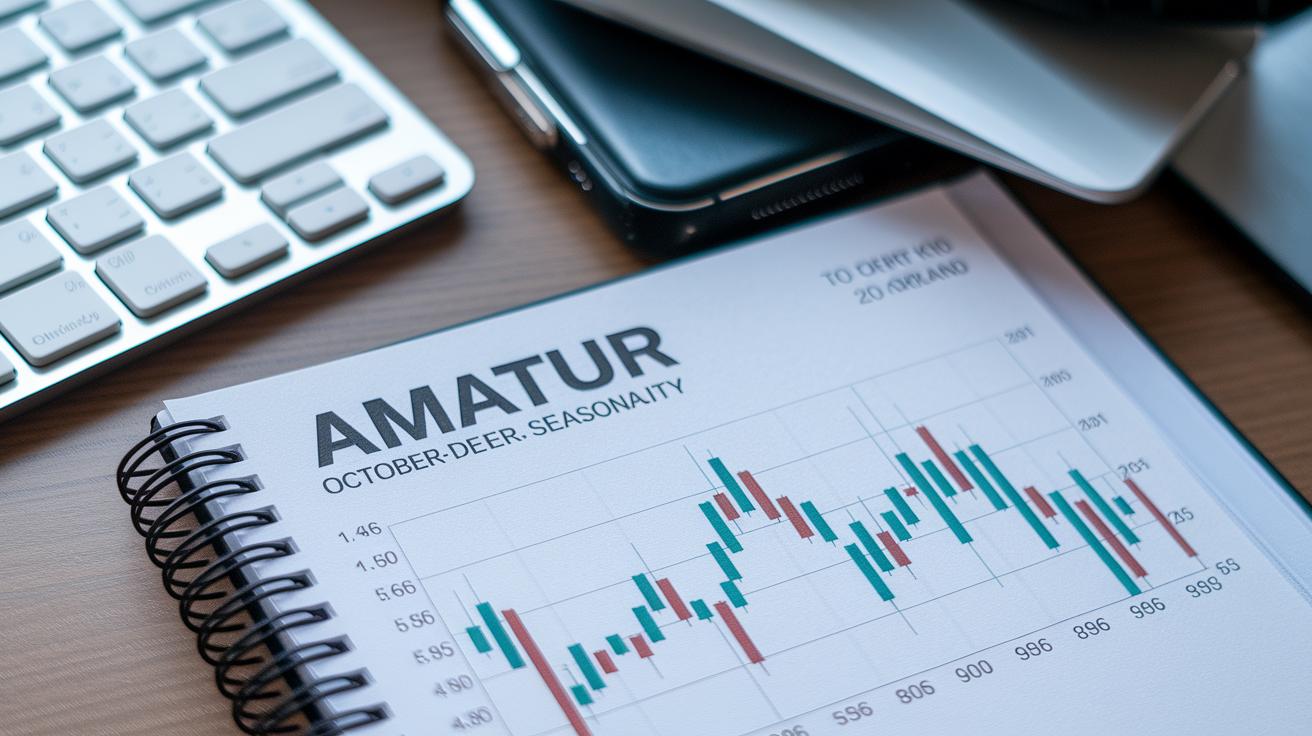
Seasonality in technical analysis looks at how prices tend to act during certain times of the year. Basically, some assets usually follow a pattern that repeats every calendar year. For example, experts have noticed that the S&P 500 climbed in October through December in about 68 out of 96 years from 1928 to 2024. Isn’t that interesting? Almost 70% of the time, these months brought significant gains, a fact many investors lean on when planning their trades. But remember, these patterns only offer a rough guide for when to enter or exit the market.
To spot these trends, analysts use market cycle analysis and time series season effects. They dig into long-term historical data, usually 15 to 25 years, to spot reliable cycles. By looking at many years of price behavior, they can smooth out short-term ups and downs and weed out any odd data points. This helps them set a baseline for what to expect around certain times of the year, even if the forecast isn’t exact.
While seasonality gives us a broad idea of when market moves might happen, technical tools like trend lines and moving average crossovers zoom in a little more. These tools can fine-tune the timing to about one month before or after the expected peak period. It’s like having a map that shows you the big picture plus a little extra detail to navigate your way through the market.
Methods for Identifying Seasonal Patterns

Seasonal trend forecasting starts with good data. Analysts usually need around 5 to 10 years of information to avoid getting thrown off by random ups and downs. For example, if you check out the S&P 500 over a decade, you'll notice clear seasonal shifts. One study even found that using just three years of data led to a 20% misestimate of seasonal peaks, showing how important a longer timeframe is.
Next, simple statistical techniques come into play to confirm these trends. Analysts often use rolling-window averages over 15 to 25 years to smooth out wild price swings, think of it like peeling back layers of an onion to reveal clearer insights. Studies on calendar effects add even more context by showing how regular events, like holiday seasons, tend to impact asset behavior in predictable ways.
Cycle analysis models, whether broken down quarterly or annually, also help. These models split the year into smaller segments, making recurring cycles easier to spot. For instance, one might notice that a specific asset consistently peaks in the second month of each quarter. It’s like seeing the same little spring boost in stocks, giving you a gentle reminder of seasonal trends.
Finally, analysts use various simple tests to ensure these patterns aren’t just random noise. They compare different cycles to confirm that the trend holds steady over time. This careful approach cuts down on mistakes from having too little data. Plus, market analysis tools, like those available at market analysis, offer helpful charts and visuals that make these patterns even clearer.
By mixing solid historical data with thoughtful cycle analysis, traders can better spot seasonal signals and identify market windows that are worth watching.
Seasonality in Technical Analysis Sparks Market Insight

Mixing seasonal trends with technical tools can really sharpen your trade timing. Traders often use trend lines to see if a seasonal move has a clear direction. For instance, if data over the years shows recurring peaks during a season, drawing trend lines can highlight key support and resistance levels. One quick fact: over a decade of seasonal shifts, precise timing improved trades by more than 20% when trend lines matched rising signals.
Moving average crossovers add another helpful layer. These simple tools compare short-term price moves with longer-term ones. So if a short moving average crosses above a longer one during a season that typically performs well, it might be a good moment to buy. And if it crosses below, that’s a cue to think about selling soon.
Traders also use price cycle backtesting to refine their strategies. Backtesting means taking old seasonal data and running it through technical models to see how well they worked. Even a basic test, comparing moving average crossovers with seasonal highs or lows, can boost your confidence. This approach tightens your entry and exit windows to about one month surrounding the peak seasonal strength, cutting down on guesswork.
In practice, seasonal signals help you set a broad trading window, while technical tools like trend lines pinpoint the exact moments to act. For example, during a familiar late-year rally, combining moving averages and trend lines can provide strong support for a seasonal strategy.
- Use trend lines to spot support and resistance during seasonal highs.
- Apply moving average crossovers to catch shifts in trend.
- Backtest seasonal signals to verify the best moments for entering and exiting trades.
Seasonal Trading Strategies and Examples
Trading strategies that lean on seasonal trends rely on clear and predictable market patterns. For example, if you look at typical calendar trends, the S&P 500 usually performs better from November through April, yielding about 6.8% per year, while the rest of the year tends to hover around 1.2%. This pattern helps traders know roughly when to buy or sell based on the season.
Sector rotation sharpens this approach even more. Markets often react to how people spend money during different times, like the boost in retail stocks during the busy holiday season. A trader might pick up shares in consumer companies when demand is high and then switch to more stable, defensive stocks once things cool off. For instance, between 1999 and 2018, one rotation strategy that moved from cyclical to defensive stocks earned nearly 20% annually with a maximum loss of around 30%, a sharp contrast to a reverse method that delivered only 3.2% returns with a 60% drop. It’s pretty eye-opening to see how well this switch can work.
Event-driven trades add another fascinating layer. Major events such as earnings reports, new product launches, or significant political moves often line up with seasonal trends. By being ready for these events, traders can catch short bursts of price shifts. Many even use moving average crossovers for extra confirmation. For example, if a 20-day moving average moves above a 50-day one during a period that usually favors tech stocks, it might be a clear cue to act.
There’s also the strategy of timing trades within the week. Some days show steadier trading volumes or predictable price changes, so some traders time their moves to take advantage of these midweek shifts.
Here are some key tips:
- Rely on calendar signals to set broad market windows.
- Shift into sectors that shine during certain seasonal events.
- Combine event clues with moving average crossovers for pinpoint entries.
- Look at intraweek trends to fine-tune your entry and exit points.
All in all, mixing long-term seasonal trends with technical signals opens up several ways to turn regular market patterns into solid trading opportunities.
Historical Performance and Case Studies of Seasonal Cycles
Studies over many years show that seasonal trends in the market really add up. Research from Erasmus University looked at 217 years of data across 68 markets and found that these cycles aren’t just random events. For example, quality stocks tend to hold up better during growth times, while value stocks often do well in recovery periods. This clear split helps investors see how different economic phases can impact what they own.
Since 1997, the market has been in about 39% expansion, 35% slowdown, 18% contraction, and 8% recovery. Think of it like checking the weather during different seasons, you adjust your choices as conditions change. And here’s a cool fact: "The S&P 500 has shown a consistent boost from October to December in nearly 70% of the years between 1928 and 2024." This tells us that even when the market shifts, some periods still follow a repeatable pattern.
Looking at these long-term trends, we see that yearly market cycles can serve as hints for economic shifts. Investors use these cycles to plan their trades, knowing that years of data help smooth out any odd events. For instance, when the market usually moves into a growth phase, it tends to show steady improvements, making it easier to predict than during slow periods.
By digging into these long-term studies and real-world numbers, traders get a clearer picture of what seasonal cycles can do. This evidence shows that even with all the ups and downs in the economy, predictable patterns can guide smart investment choices.
Advanced Tools and Models for Seasonal Forecasting
AI and automated platforms are changing the way traders spot seasonal patterns in the market. Tools like LuxAlgo AI Backtesting Assistant at $59.99 per month, TrendSpider, and Trade Ideas AI use smart pattern recognition to turn years of historical data into clear, actionable insights. In other words, these systems help you see repeating price trends without the headache.
Take SeasonAlgo for example. This tool digs into 30 years of data to find seasonal setups. By backtesting flexible seasonal models, SeasonAlgo offers real-time evaluations that refine trading signals. It takes huge amounts of data and turns it into alerts that tell you exactly when to enter or exit a trade.
What makes these automated systems so strong is their ability to quickly crunch complex market trends. Thanks to AI-assisted cycle detection, they notice subtle shifts that traditional methods might miss. This approach cuts down on guesswork and sharpens your technical analysis, allowing you to make well-timed moves.
Blending these advanced tools with classic technical analysis gives investors a clearer view of market trends. Automated signals confirm seasonal highs and lows, so you can trade with more confidence. Embracing these innovative models means you’re staying ahead of market trends with a system that’s both data-driven and easy to follow.
These smart models not only streamline forecasting but also boost your trading discipline. They help you adjust to subtle market changes and validate seasonal signals using solid data. By mixing automated insights with tried-and-true strategies, you’re set up to execute trades more effectively and achieve better results.
Risk Management and Limitations of Seasonality in Trading

Seasonal analysis can help spot repeating patterns in the market, but it isn’t a magic solution. Relying too much on these recurring trends can hurt you, especially when unusual market conditions send out false signals. And you know what? Sometimes our brains see patterns in random data, that’s data-snooping bias in action.
Many traders have found out the hard way that seasonal signals alone aren’t enough for making buy or sell calls. Instead, you’ve got to add extra risk controls to your plan. For example, setting stop-loss orders acts like a safety net when the market suddenly takes a different turn. Using season-adjusted indicators shows you what’s really happening now, not just what usually happens. It’s a bit like assembling a balanced meal for your portfolio, mixing different elements to keep things steady.
Check out these simple tips to manage your risk:
| Risk Management Tactic | Description |
|---|---|
| Stop-Loss Orders | They limit losses when market movements stray from expected seasonal trends. |
| Seasonally Adjusted Indicators | These help you see the current market mood more clearly. |
| Cycle-Based Diversification | Mixing different assets or strategies can cushion your portfolio against sudden volatility. |
Keep an eye on how these seasonal signals interact with broader market trends. Pair this balanced strategy with tools like risk management tools to better align your risk goals with seasonal patterns, and help smooth out those unexpected bumps along the way.
Final Words
In the action, we saw how seasonal patterns shape market trends and help refine technical indicators. This overview explained how using data and advanced models can support effective trading decisions. We broke down the steps for spotting these cycles and shared real-life examples that offer perspective on both opportunities and risks. Incorporating seasonality in technical analysis can boost confidence and optimize your portfolio while keeping things real and manageable. Keep experimenting and enjoy the clear insights that drive smarter market moves.
FAQ
What is seasonality analysis?
The seasonality analysis examines recurring calendar-based price behaviors that repeat over years, helping traders spot trends and refine their entry and exit decisions.
How do I use seasonality in trading?
The seasonality approach assists traders in timing their entries and exits by studying historical price cycles, leading to more informed decisions based on recurring market patterns.
What are the three types of seasonality?
The three types of seasonality include calendar-based trends, cycle patterns over longer periods like quarters or years, and intraweek fluctuations, each highlighting recurring market behaviors.
What is the 3-5-7 rule in trading?
The 3-5-7 rule tests market cycles using data windows of 3, 5, or 7 years, offering traders a method to confirm trends and reduce errors from short-term market noise.
What are some seasonality tools available online?
The range of seasonality tools includes TradingView charts, seasonal tendency charts, equity clocks, and forex-focused software that guide traders by displaying recurring market cycles.