


Ever wonder if watching stocks, bonds, commodities, and currencies together might give you an edge in trading? With intermarket technical analysis, you get a peek behind the curtain, seeing how these assets connect can reveal shifts in economic moods. It’s like noticing the gentle pulse of the market; you see signs of change before they hit full force.
In this chat, we’ll dive into how mixing signals from different markets can boost your trading game. Think of it like putting together puzzle pieces to see the full picture. Maybe that broader view is the missing piece you've been looking for in your strategy.
Fundamentals of Intermarket Technical Analysis
Intermarket technical analysis is a way to watch how major asset classes move together. It looks at how stocks, bonds, commodities, and currencies interact based on what the market is doing right now, not on rigid rules. This method helps you see where we are in the business cycle and even gives hints about future trends, letting traders pick up on confirmed moves or early signs of change.
By keeping an eye on different market dynamics, investors can tweak their portfolios as prices shift. It clears up how each sector reacts when the economy changes or when market mood shifts, so you can spread out risk when you mix it with other technical strategies.
| Asset Class | What It Shows |
|---|---|
| Stocks | Highlights how companies are doing and how investors feel about the economy |
| Bonds | Points to trends in interest rates and indicates risk levels in the financial system |
| Commodities | Signals inflation pressures and supply-demand twists that can affect other assets |
| Currencies | Marks shifts in global trade and monetary policies that influence market behavior |
Traders weave this analysis into broader strategies by letting cross-asset signals back up the patterns they spot on charts. It’s like adding a big-picture view to more detailed studies. That extra insight helps them better predict market turning points and fine-tune how they spread out their investments.
In short, this approach cuts down on guesswork by showing hidden signals in the market. It works hand in hand with other technical tools, making it easier to build a strategy that feels both balanced and well-informed.
Evolution of Intermarket Relationships Across Economic Cycles
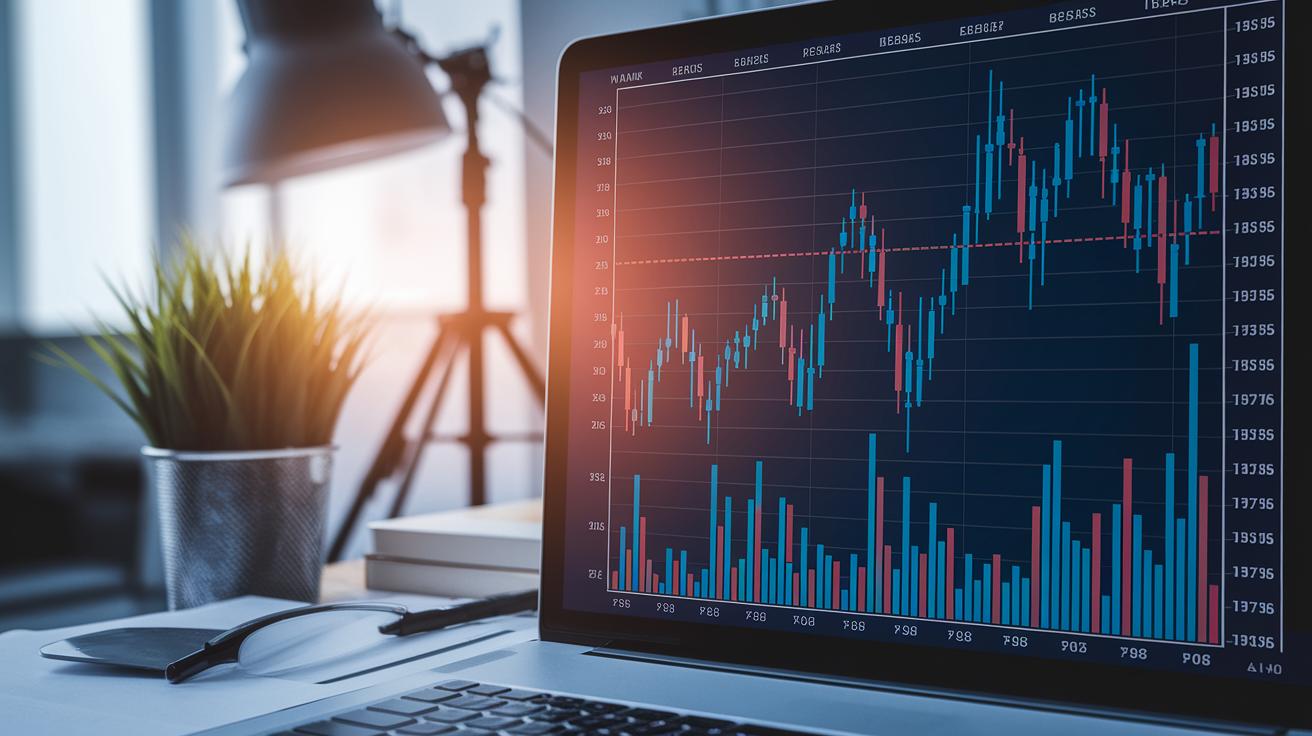
Intermarket relationships shift as the economy moves through different cycles, and these shifts can hint at what stage the market is in. Think of it like watching the changing colors of a sunset, each hue gives you a clue about what’s coming next.
From the 1970s to the late 1990s, we saw a time when inflation was a big deal. Stocks and bonds tended to move in tandem because rising inflation pushed both in the same direction. It was almost like watching two dancers perfectly in sync as the beat of inflation played on.
Then things took a turn in the late 1990s. When the Thai Baht suddenly collapsed in the summer of 1997, the mood shifted. By 1998, stocks plummeted while Treasury bonds took off, breaking away from their old, friendly dance. This clear split acted as a flashing signal, showing that the market was entering a new phase.
Big market events like the dot-com bubble burst in 2000, the housing market peak around 2006, and the financial crisis in 2007 all added extra layers to these evolving signals. Each shock reminds us how quickly things can change and why keeping an eye on these movements is so important.
Correlation Metrics and Lead-Lag Analysis in Intermarket Studies
Correlation coefficients show how two kinds of investments move together. They tell us if one asset rises when the other does or if one falls while the other might rise. It’s like watching two friends walk side by side or take different paths. When the correlation is high and positive, both assets typically move in the same direction. But if it's negative, one might drop while the other climbs. This basic tool cuts through the noise, making it easier for traders to understand market moves with numbers.
Lead-lag analysis digs a bit deeper into timing. Often, the bond market takes the lead before stocks catch up, largely because changes in interest rates impact company profits before investors adjust stock prices. So, when bonds show a change, that signal might hint at what’s coming next for stocks. Tools like overlay charts and PerfChart make these patterns clear, helping you design strategies backed by solid, real-time data.
| Metric | Description | Example Asset Pair |
|---|---|---|
| Positive Correlation | Both assets move in the same direction. | S&P 500 and industrial metals |
| Negative Correlation | Assets move in opposite directions. | Stocks and Treasury bonds in deflationary periods |
| No Correlation | Asset movements show little or no connection. | Emerging market stocks and select commodities |
| Lead-Lag | One market moves ahead to signal future moves in another. | Bonds leading equities |
Picking the right time frames is also super important. Short periods might just show random blips, while longer time frames reveal stronger, steady trends. Aligning your chosen period with your trading goals can really help to clearly spot and use these changing relationships.
2. intermarket technical analysis: Boost Trading Performance

Intermarket cues blend easily into your technical strategies. When you watch how stocks, bonds, commodities, and currencies move together, you get a fuller view of market trends. This clarity helps you decide when to make trades.
A handy method to try is pair trading. That means buying one asset and shorting another one that usually moves in step with it. Think about two stocks that tend to go together, if one starts trailing behind, you might buy the lagger and short the other, expecting they’ll soon balance out. This strategy uses the idea of mean reversion, letting you profit from short-term differences without betting on the overall market direction.
Another approach is to adjust your asset mix based on signals from different markets. For example, if you see rising commodity prices paired with falling bond values, it might be a good time to favor equities. This flexible method means that you sharpen your portfolio in real time, listening to what each asset class says about the economy’s pulse. It pairs well with momentum checks and support/resistance levels to help pick ideal spots for buying and selling.
Balancing risk and reward is key in these strategies. By choosing exactly how much to invest in each trade (a practice known as position sizing), you keep your exposure in check if the market shifts unexpectedly. And by setting stop-loss orders, you add another layer of protection, ensuring that even if things take a wrong turn, your losses stay manageable.
Tools and Charting Techniques for Intermarket Analysis
John Murphy's PerfChart gives you a friendly snapshot of market activity by putting the S&P 500, CRB Index, US Dollar Index, and 30-year Treasury all on one screen. It uses clear trend lines and an easy interface so you can quickly see shifts in market mood.
With customizable timeframes and built-in correlation matrices, you can set up the chart just the way you like it. This makes comparing different asset classes side by side a breeze, perfect for catching early hints when the market starts to change.
Other platforms build on these ideas. They add features like heatmaps, rolling-window correlations, and even downloadable indicator libraries to help you track how different assets move together. When you look at multi-series charts, think of each line as part of a conversation about the economy. Seeing lines shift together might be a clue that bigger changes are on the horizon. These interactive tools turn complex data into clear, actionable insights, helping you make smarter decisions in real time.
Managing Risks and Limitations in Intermarket Technical Analysis

When markets move together, their links can change in a flash. Shifts in government policy, the mood of investors, and big economic news can quickly break old patterns. It reminds us that what worked before might not work now.
Intermarket analysis can feel like a tough puzzle, especially if you’re new to it. You need to watch trends closely and test different time periods to know if the usual patterns still hold. Building a clear and organized plan helps you adjust as the market changes.
Protecting your capital is a must. Simple risk controls like scenario planning, setting limits on your positions, and using stop-loss orders can make a big difference. When you spread your investments across several asset types, sudden market swings become a few small bumps rather than a huge crash.
Real-World Case Studies in Intermarket Technical Analysis
Case studies are super helpful because they bring muddled market theories into clear, everyday lessons. They show how a shift in one asset class can set off changes in another, making it easier to spot trading clues in real market conditions. It’s like getting a heads-up when one part of the market starts to act differently.
Take 1997, for example. During the Asian Currency Crisis, things got wild. Investors saw that stocks fell hard while Treasury bonds suddenly became more attractive. This shift was a clear sign that market feelings were changing fast. A trader who spotted this might have eased into bonds to avoid deeper losses when stocks dropped. In short, as bonds rose when equities fell, it was a signal of a rare market twist.
Then there was the dot-com bubble burst in 2000. When tech stocks took a nosedive, even 30-year Treasury yields slid down. That early move in the bond market tiptoed a warning before the full blow hit tech stocks. Smart traders could catch this hint and adjust their portfolios, cutting back on risky tech and leaning into steadier sectors. It was like seeing dark clouds and deciding to carry an umbrella.
Between the peak of the Housing Bubble and the 2007 Crisis, it got even more interesting. Commodity prices shot up and then crashed, while bonds held strong, and stocks lost their shine. This classic dance across markets was a clear cue that turbulent times were coming. Observing these shifts could have prompted traders to move to safer bets like bonds, protecting their portfolios when the market got choppy.
Final Words
In the action, we broke down the basics of intermarket technical analysis and its role in understanding diverse asset behaviors. We walked through key market dynamics, showcased real market events, and stressed the importance of practical tools and risk controls. Our discussion blended hard data with relatable insights to show how each step can refine trading strategies. Embracing these insights boosts confidence and sharpens decision-making, setting you up for smarter moves in your portfolio. Keep exploring and growing one smart analysis at a time.
FAQ
What is intermarket analysis in trading?
The intermarket analysis in trading explains how different asset classes like stocks, bonds, commodities, and currencies interact to provide insights into market trends and risk management strategies.
Where can I find a free PDF of intermarket technical analysis?
The free PDF for intermarket technical analysis usually refers to downloadable guides available online. Check reputable financial sites or digital libraries that offer legal, free copies of these resources.
Is there an intermarket technical analysis book available in PDF format?
The intermarket analysis book PDF offers comprehensive insights into asset interrelations and market behaviors. Look in trusted financial e-book collections or digital libraries for verified and authorized editions.
Who is known as the king of technical analysis?
The king of technical analysis is often seen as experts like John Murphy, whose influential work on market trends and charting techniques has shaped how analysts view technical market behavior.
What are the five technical indicators in market analysis?
The five technical indicators refer to tools such as moving averages, the relative strength index, MACD, Bollinger Bands, and volume. Each indicator helps signal market momentum and potential price movements.
What are the four pillars of technical analysis in trading?
The four pillars of technical analysis typically include trend analysis, support/resistance levels, volume, and price patterns. These elements assist traders in confirming market directions and making informed decisions.