

Have you ever thought about what might occur if banks across the globe suddenly stumbled at the same time? Imagine a race where every runner trips unexpectedly. The sudden crash of global stock markets sends shockwaves everywhere, knocking out gains like falling dominoes. In this post, we break down what drives these rapid downturns and explain how they can shake up wealth and stability worldwide. Stick with us for fresh, bold insights that might just change the way you see the financial landscape and inspire you to rethink your strategy.
Understanding the Global Stock Markets Crash: Key Drivers and Scope
A global stock markets crash happens when markets in many countries drop suddenly and steeply. It shakes up the economy and forces investors to rethink their strategies on the fly. It’s like watching confidence disappear in a heartbeat, wiping out wealth everywhere. Imagine investors frantically selling their shares because they fear a complete breakdown of international finance. This sort of crash not only disrupts financial systems but also changes how people view global markets.
There are a few main forces behind this type of crash. First, you have macroeconomic imbalances, which occur when spending grows faster than income or when high levels of debt put pressure on an economy. Then, shifts in central bank policies, like a sudden change in interest rates, can shock the system, making loans more expensive and dampening investor optimism. Finally, when banks tighten credit, companies struggle to get the funds they need, potentially leading to drastic moves to cover short-term gaps. Think of these forces as parts of a finely tuned machine: if one piece falters, the whole system can start to break down.
In the midst of a crash, markets can become very chaotic. Cash, or liquidity (the ease with which assets can be bought or sold), vanishes quickly as everyone rushes to pull out their money. Prices swing up and down wildly while investors scramble to adjust their portfolios. And as panic spreads, sell-offs in one region can quickly affect others around the world, deepening the financial turmoil even further.
Historical Comparisons of Global Stock Markets Crashes
When we look back in time, the ups and downs of stock markets show clear patterns. Each major crash reminds us how sensitive markets can be and how similar pressures can trigger sudden panic.
1929 Wall Street Crash
- Decline: About 89% decrease from peak to bottom
- Cause: A bubble built on speculation and risky margin calls
Imagine waking up to find your fortune gone, one day investors were riding high, and the next, everything collapsed. This crash showed how dangerous unchecked speculation and margin calls can be.
1987 Black Monday
- Decline: The Dow dropped by 22% in a single day
- Cause: Automated program trading and a crunch in liquidity (how quickly you can buy or sell an asset)
Picture a day when computer algorithms set off a chain reaction, turning smooth trading into a sudden storm. This event taught everyone that even high-tech trading systems can falter when liquidity dries up.
2008 Global Financial Crisis
- Decline: The S&P 500 fell approximately 57%
- Cause: A collapse in the subprime mortgage market and the ripple effects of failing credit
Imagine the trust in banks dissolving overnight, leading to a domino effect as loans and credit dried up. This crisis reminded us that even the strongest financial systems depend on trust and proper lending.
2020 COVID-19 Shock
- Decline: The S&P 500 dropped about 34% in just five weeks
- Cause: Pandemic lockdowns and a clash in oil prices
In just a few weeks, a global health emergency sent shockwaves through the market. It showed how external events, from a virus to oil price battles, can trigger a rapid and steep fall in stock prices.
Warning Indicators in a Global Stock Markets Crash
Sometimes the market gives us early hints that trouble might be on the way. One clear warning is when the VIX, which shows how nervous investors are, jumps above 30. When this happens, it means traders expect wild swings in prices. And if you see an inverted yield curve, where short-term rates on bonds outpace 10-year rates, it’s a red flag that a recession could be near.
Another sign to watch for is widening credit spreads. This happens when the difference between safe, high-grade bonds and riskier ones grows larger, showing growing worries about whether borrowers can pay back their debts. Also, if you notice quick pullbacks from equity ETFs, it indicates that investors are moving their cash out fast to avoid losses.
On top of that, algorithmic stop-loss cascades can add to the chaos. These are automatic trading programs that start selling once prices drop, which can push the market downward even more. Recognizing these signals early can help you rethink your strategies and prepare for sudden market shifts.
Investor Impact of a Global Stock Markets Crash on Portfolios
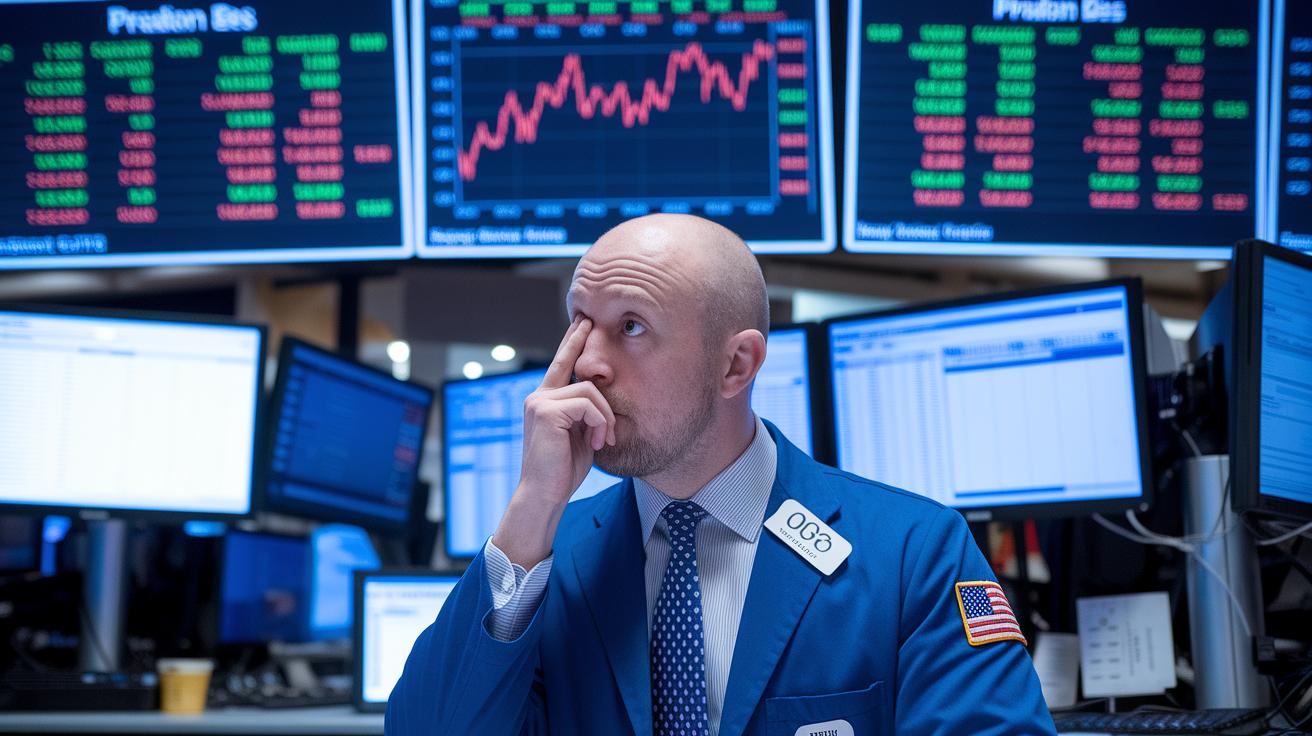
A global market crash can really shake up investors, pushing them to act fast. Brokers may call investors to add more funds, which forces them to sell off assets at a loss. Prices plummet, and even a tiny drop can feel overwhelming. It’s a hard hit that can quickly unravel a well-planned portfolio.
When everything seems to fall together, the usual safety of diversification disappears. Stocks, bonds, and other investments can all drop at once, leaving little room for a quick recovery. Meanwhile, many mutual funds face a rush of withdrawals as scared investors pull out their money, driving prices down even further. It can feel like free-falling without a parachute.
As the market bounces around, uncertainty grows with a spike in what’s called implied volatility, basically, a measure of how much prices might change. In a search for safety, money often shifts toward bonds or gold, which are seen as safe shelters compared to dropping stocks. When panic spreads, these secure assets become the last refuge, a key countermeasure against mounting concerns.
During these rough periods, investors learn tough but valuable lessons about risk and staying calm.
Central Bank and Policy Responses to Global Stock Markets Crash

When markets get a bit wild, central banks and policy makers spring into action. They use emergency tools to stop a sharp drop, keeping cash flowing to banks and businesses while soothing worried investors. They team up or work on their own, mixing money rules with government spending to fix deep issues.
Federal Reserve Emergency Measures
The Federal Reserve has often stepped in during tough times.
- They set up special liquidity tools (like PDCF and SLF) so banks always have enough funds, even when money is tight.
- They also trim interest rates, like in 2008 when rates fell from 5.25% to 0.25%, making loans cheaper and encouraging spending.
European Central Bank Actions
Across Europe, the European Central Bank acts to ease market stress.
- They boost the economy by expanding their Quantitative Easing programs (like PEPP), which puts more cash in the system.
- They use targeted lending (LTRO/TLTRO) to give banks direct financial support, keeping credit moving even in rough patches.
G20 Fiscal Stimulus Coordination
Countries in the G20 also join forces to keep the global economy steady.
- They increase spending to keep public services and infrastructure running smoothly in a crisis.
- They offer loan guarantees and tax breaks to ease the burden on businesses and households, helping everyone get back on track.
Each of these moves aims to stop a deeper economic fall and rebuild trust among investors as markets start to recover.
Risk Management Strategies during a Global Stock Markets Crash

When markets start dropping hard, adjusting your portfolio can feel like a life raft. These real steps can help you cut down on losses and get ready for a bounce-back. Let’s look at practical moves you can take to steady your investments, so you’re set for a slow but steady recovery.
- Dynamic hedging with options
- Boosting your cash reserves
- Adjusting your mix based on market ups and downs
- Moving investments into defensive sectors
- Using correlation overlays to see how assets move together
- Setting stop-loss limits
- Shifting some funds into bonds
- Exploring alternative asset classes
These eight tactics are a solid starting point if you’re trying to lessen risk when the market really stumbles. Think of dynamic hedging with options as buying a kind of insurance against wild price swings. Keeping a bigger cash reserve gives you a breather, so you’re ready to grab opportunities or kick-start your portfolio when needed. Adjusting your mix based on current volatility is like fine-tuning a machine to work well under changing conditions.
Moving into defensive sectors such as utilities or everyday consumer goods can offer a steadier ride when overall feelings in the market are jittery. Using correlation overlays means you’re watching how different assets move as a team, which helps lower the chance that one bad move will hurt everything. Setting stop-loss limits means having a plan for selling before losses get too big, kind of like putting a safety net under your investments. Shifting more funds into bonds can provide steady returns even when the stock market is on a roller coaster. And adding alternative assets gives you a different kind of support when traditional investments are shaky.
As you put these steps into practice, the next move is to rebuild your portfolio methodically. Keep an eye on how the recovery unfolds and stay flexible. Whether you lean on solid research or trusted risk strategies, the goal is to gradually bring back strength to your investments while staying informed.
Final Words
in the action, we uncovered how a global stock markets crash unfolds, examining key triggers, comparing historical downturns, and pinpointing warning signals. We broke down investor impacts, central bank responses, and smart risk management tactics. Each section builds your understanding and helps guide better decisions in volatile times. Keeping these insights handy can boost confidence and prepare you for market shifts. Stay upbeat, every challenge opens a door for new financial opportunities.
FAQ
Q: What does a global stock markets crash today signal?
A: A global stock markets crash today signals sudden, widespread drops in asset values caused by imbalances, liquidity issues, and shifting policies, leading to rapid sell-offs and increased volatility across markets.
Q: How can we predict the next stock market crash?
A: Predicting the next crash involves watching key indicators like rising volatility indexes, inverted yield curves, and widening credit spreads. These signals suggest market stress and help investors prepare for downturns.
Q: What do historical stock market crash charts show?
A: Historical charts reveal sharp declines and lengthy recoveries. They detail events like the 1929 crash, Black Monday, the 2008 crisis, and the 2020 COVID shock, offering insights into recurring market patterns.
Q: Why did the stock market crash in 1929?
A: The 1929 crash resulted from rampant speculation, excessive margin buying, and asset bubbles bursting, which overwhelmed the market and led to severe, lasting downturns for investors.
Q: Why are global stock markets falling currently?
A: Global stock markets are falling due to growing economic imbalances, sudden policy shifts, and liquidity pressures that prompt banks and investors to rapidly sell off assets, triggering widespread declines.
Q: Why do many investors lose money in the stock market?
A: Many investors lose money by not managing risk properly, overreacting to market swings, and lacking diversification, which exposes portfolios to high volatility and sudden downturns.
Q: Can a market crash erase my 401k?
A: While a market crash can reduce your 401k’s value, a diversified and long-term investment strategy helps cushion losses, protecting retirement savings from severe impacts during downturns.