


Have you ever noticed some investors always seem to win while others never get going? Global markets aren’t just for experts anymore. Smart investing is really about understanding a few key ideas, whether it’s from the old noisy trading floors or the easy apps we use today.
This guide explains everyday signs you see in the market, uses tools that help spread risk, and shares simple rules that keep trading fair. Stick with us, and you’ll see how clear, simple steps can turn global trading from a mystery into a smart, rewarding game.
Global Markets Investor Education Guide: Understanding Market Fundamentals

Global markets are a network of financial systems where people buy and sell stocks, bonds, and other assets across borders. They include well-known exchanges like the NYSE, famous for its long history, and the SSE, which reflects local economic traits. For example, think back to the early days when trading floors buzzed with hand signals and shouts, a world apart from today’s digital trading platforms.
Today, we’ve moved from noisy trading floors to smart electronic systems. This big shift has not only sped up transactions but also made it easier for anyone to join global trading. Online platforms now connect markets around the globe, helping investors trade with both ease and clarity.
Major market indices like the S&P 500 and Dow Jones act like simple health checks for the economy. They track a mix of important companies, giving us a quick snapshot of economic trends and investor moods. It’s a bit like feeling the pulse of the global economy at a glance.
Regulatory bodies also play a vital role by setting rules that keep trading fair and transparent. They carefully watch market activities to protect investors, ensuring that everyone gets a fair shot. When combined, these elements create a strong base for global markets, setting the stage for informed and smart investing.
Global Markets Investor Education Guide: Investment Vehicles Overview

Investment vehicles like exchange-traded funds (ETFs) and mutual funds give you an easy path to explore global markets. ETFs let you spread your money across many assets with low fees and see prices change in real time. Mutual funds, on the other hand, are managed for you, offering scheduled payouts and clear performance details, like tracking returns over five years. For instance, an ETF that follows a big market index with competitive fees makes it simple to compare how well it’s doing.
Bonds and stocks further shape your investment choices by balancing risk and reward. Bonds usually promise steady income with fixed interest payments and lower ups and downs. Stocks (or equity funds) can offer higher returns by riding the growth of companies, but they can also be more unpredictable. Tools like savings calculators can help you forecast growth, work out taxes, and plan your retirement. Ever wondered which option would suit your financial goals best? It all comes down to matching the right vehicle to your needs.
Below is a reference table that breaks down key features of these investment vehicles:
| Investment Vehicle | Key Features | Suitable For |
|---|---|---|
| Exchange-Traded Funds (ETFs) | Real-time pricing, low expense ratios, broad market access | Active traders and long-term investors |
| Mutual Funds | Managed payouts, diverse holdings, clear historical performance | Investors who prefer professional management |
| Bonds | Fixed interest, lower volatility, steady income | Conservative investors and income seekers |
| Savings Calculators | Growth forecasting, tax projections, retirement planning | Individuals planning for long-term goals |
These built-in tools and performance metrics help you compare different financial choices side-by-side. In doing so, you can feel confident in balancing risk with potential returns, making decisions that fit your personal financial journey.
Global Markets Investor Education Guide: Strategies for Cross-Border Diversification

Investors looking to mix up their portfolios can dodge a home-market focus by spreading their investments across both developed and emerging economies. This method not only gives you access to different growth drivers but also softens the impact when one market stalls. Start by setting clear personal goals, be it saving for education, retirement, or a big purchase, and check your holdings often to keep pace with market shifts. A practical step is to use screening tools that target region-specific ETFs or stocks so you can spot the best opportunities.
For example, many platforms offer handy multi-criteria filters that let you sort through assets in North America. Others open up international investment opportunities in Asian, Latin American, and European markets. This helps you grab diverse strengths from around the world while keeping your overall risk in check.
Consider these core strategies for cross-border diversification:
- Allocate fixed percentages to developed vs. emerging markets
- Use regional ETFs for Asia, Europe, and Latin America
- Mix sector-focused funds with country-specific stocks
- Choose currency-hedged products to manage FX risk
- Rebalance quarterly to maintain target exposures
Using this mix of strategies can help you tailor your portfolio to your financial goals while syncing with global economic trends. Whether you're beginning your journey or refining an established strategy, a systematic approach to cross-border diversification can keep your investment game sharp and well-aligned with worldwide market shifts.
Global Markets Investor Education Guide: Risk Management and Analytical Tools
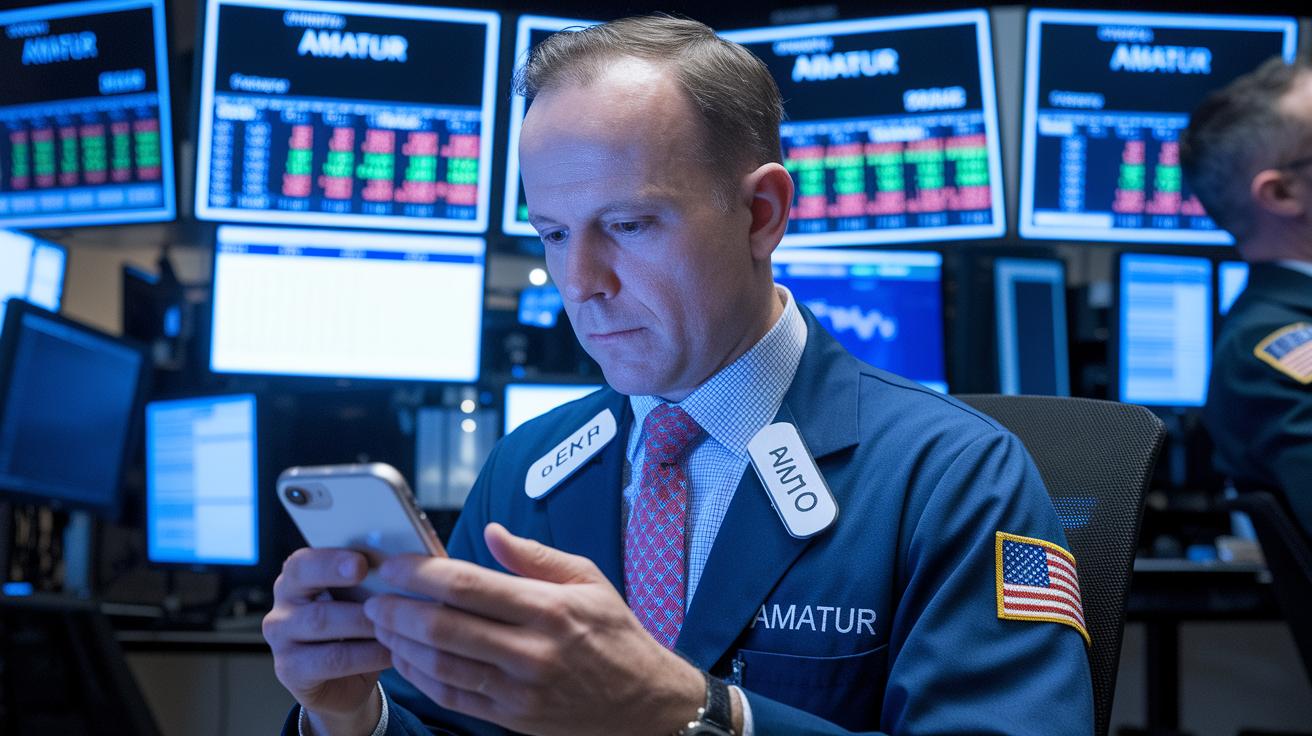
When you step into global investing, balancing risk is just as key as finding opportunities. Think of a volatility toolbox filled with four easy-to-use market tools that help you see real-time market swings. For example, one tool might flash an alert on your screen when currency shifts hint at risk, showing you exactly how currency analysis works in everyday life.
Digital learning tools are great companions on your risk management journey. Interactive webinars, engaging podcasts, and online courses break down complex ideas like sovereign risk evaluation and cutting exposure. It’s like getting a live, friendly lesson that makes even tough financial terms feel simple.
Hedging strategies are another important piece of the puzzle. When you hedge using derivatives or a currency overlay, it’s like taking cover during a sudden rainstorm. This smart move can help protect your portfolio from sudden market drops, keeping your investments safer when surprises pop up.
For ongoing risk monitoring, check out online platforms like the beginner-friendly portfolio tracker at https://tradewiselly.com?p=2851. These tools put several analytical features together in one clear dashboard, transforming market uncertainty into a more manageable experience.
Global Markets Investor Education Guide: Portfolio Optimization and Performance Monitoring

When fine-tuning your investments, live market insights and smart, data-based choices are a big deal. Modern platforms give you up-to-the-minute details on how your assets are spread out, along with easy-to-understand checks that show how your mix might handle market shifts. This means you can watch your investments in real time, notice changes as they happen, and adjust your holdings on the fly. Every once in a while, rebalancing your portfolio is a smart way to stick to your goals while keeping risk in check. Whether you’re using an RRSP, a TFSA, or a non-registered account, it helps to choose one that fits your tax needs and comfort with risk. In doing so, you get clear, measurable steps to track your progress and steer your overall investing plan. And if you’re curious about digging deeper, exploring global markets research can give you the extra insights you might need to refine your strategy even more.
Choosing the Right Analytics Platform
Picking the right tool means comparing what each platform has to offer. Some systems provide fast, reliable data that updates instantly and even shows you neat visual graphs, which makes running stress tests and reviewing allocations really simple. Look around for a platform with a friendly dashboard that clearly outlines costs and lets you set up custom alerts. An easy-to-use interface can truly make a difference, especially when the market starts moving quickly.
When you review cost structures, search for platforms that offer competitive pricing without cutting corners on data quality. Alerts that signal important market shifts help you keep a steady hand on your investment strategy. With clear performance metrics and a simple, user-friendly layout, you’re set up to monitor your investments accurately. These smart technology tools give you the power to act on market changes right away, ensuring your portfolio stays well-managed and aligned with your financial goals.
Global Markets Investor Education Guide: Interpreting Economic Indicators and Market Trends

Key economic reports give you a quick look at how well an economy is doing. GDP tells you how fast the economy grows, and CPI shows how much everyday prices are changing. Unemployment data reveals how many people are without work, which can really sway market mood. For example, a report noting high unemployment might mean bond prices could drop, hinting at what might happen next.
Central banks also play a major role. When they raise interest rates, borrowing costs go up, spending slows, and the economy cools off. Lower rates, however, make borrowing cheaper and can encourage spending, giving the market a boost. Sometimes, policies like quantitative easing, where extra money is added into the system, signal that the market needs a little extra help, much like adding good players to a team when the game isn’t going well.
Geopolitical events and changes in government spending can tilt market trends too. A sudden boost in fiscal spending might lead to more jobs and increased spending, pushing equity prices up. By watching these indicators together, you get a clearer picture of when to adjust your investments and keep your portfolio balanced.
Final Words
in the action, we explored global market basics, from key exchanges and indices to the history and fairness of trading. We broke down investment vehicles, discussed cross-border diversification and risk management tools, and examined portfolio tweaks using real-time data insights. Each section built on the last, giving you a hands-on feel for market trends and strategies. This global markets investor education guide helps you make moves with confidence and clarity, setting you up for smart, steady growth in your investments. Enjoy the journey ahead!
FAQ
What is the Global markets investor education guide pdf?
The Global markets investor education guide pdf provides a summary of market fundamentals, explaining key exchanges, historical shifts, and regulatory roles to help readers grasp global market concepts.
What is included in the JPMorgan Guide to the Markets pdf?
The JPMorgan Guide to the Markets pdf offers detailed insights into market trends, major indices, and economic reports, making it a useful resource for both new and seasoned investors.
How does the J.P. Morgan Guide to the Markets daily overview work?
The J.P. Morgan Guide to the Markets daily delivers regular market updates, tracking real-time moves and major economic signals to assist investors with their everyday decision-making.
What is found in the Daily guide to the markets?
The Daily guide to the markets summarizes key market movements and trends, offering clear snapshots of economic activity and important indices like the S&P 500 to help guide investments.
What does the J.P. Morgan Guide to the Markets 2025 cover?
The J.P. Morgan Guide to the Markets 2025 spotlights forward-looking trends and economic forecasts, assisting investors in planning their strategies for the coming years with informed predictions.
What is the focus of the J.P. Morgan Guide to the Markets Europe?
The J.P. Morgan Guide to the Markets Europe centers on European markets, detailing regional exchanges and regulations while highlighting trends that impact European equity performance.
What insights are offered by the Goldman Sachs guide to the markets?
The Goldman Sachs guide to the markets offers a comprehensive analysis of global financial trends, economic indicators, and market performance, supporting investors with clear, actionable insights.
What are the alternatives to the Guide to the markets?
Alternatives include similar investor education resources from other firms, interactive platforms, and market reports that compare investment vehicles, diversification strategies, and risk management tools.