


Ever thought your portfolio could have a bit more international flavor? Many investors stick to local picks and end up missing out on the exciting blend that global assets can bring.
Imagine your investments like a well-balanced meal, where every ingredient adds its own special taste. Instead of relying only on steady index funds, you might also explore fast-moving momentum plays from around the world. This mix can help smooth out risk while tapping into new growth.
In this discussion, we'll dig into simple strategies to add a dash of global spice to your investing game and give you a clearer view of the world's financial stage.
Core Global Markets Investment Strategies

Building a well-rounded portfolio means using a mix of strategies that reach around the globe. When you want to spread your risk and explore new markets, you need methods covering everything from stocks, bonds, and real estate to commodities (resources like gold or oil). It’s like preparing a balanced meal where every ingredient adds its own unique flavor.
Picking the right approach means keeping an eye on market trends, understanding risk, and knowing what rewards you're after. Tools that give you real-time insights help make choosing foreign assets simpler. This clear view is key whether you’re looking for steady growth or quicker returns. Mixing these strategies can also help smooth out market swings, much like knowing the perfect moment to add seasoning to your dish.
- Passive index investing – Think of it as buying a global index fund. It’s similar to enjoying a ready-made smoothie that mixes different fruits.
- Value investing abroad – This is like searching for stocks that are priced below their true worth, similar to spotting a hidden gem on a busy street.
- Growth investing – Imagine backing fast-growing companies, much like supporting a startup with big ambitions.
- Momentum investing – Picture catching a fast-moving train to grab quick gains in a short time.
- Dollar-cost averaging – It means investing a little bit each month, helping to smooth out the market’s ups and downs over time.
Together, these techniques create a plan that balances risk and reward, catering to both cautious and adventurous investors.
Analyzing Macroeconomic Indicators in Global Markets Investment Strategies

When you're watching worldwide markets, key economic numbers act like a heartbeat for the economy. Investors focus on things like GDP growth (how fast a country’s economy is growing), inflation (the rising cost of goods), central bank rates (the cost of borrowing money), and government deficits (how much more a government spends than it earns). These figures lay out the basic rhythm of the global economy and help us guess where monetary policies might head next. For instance, rising GDP trends often hint at a strong economy.
These numbers really matter because they shape most investment choices. When inflation goes up, everyday costs can soar and profits might drop a bit. Central bank rates give clues about future loans, and fiscal deficits shine a light on government spending and debt. Simple tools that break down these macroeconomic hints help investors spot changes in market vibes and check their risks during different economic phases.
Mixing these indicators with your investment game plan means using both technical checks and solid basics. Think of planning calculators as a way to test your portfolio against potential rate hikes, while regular market updates keep you in the know. By tracking each key figure, you can tweak your investments as new trends pop up. This steady, thoughtful approach builds a strong plan that lines up with your long-term financial goals.
Global Markets Investment Strategies: Thriving Opportunities

Equity investments are a key building block for a strong portfolio. They give you a reliable base, especially when you mix mutual funds and dividend-paying stocks in steady markets with riskier frontier stocks. It feels good to know that using smart tax setups, both onshore and offshore, can help cut down on extra taxes. Companies with solid cash flow can also lean on money market funds as a buffer, making it easier to handle market ups and downs. Think of your equity mix like a sturdy oak that keeps your portfolio steady even when the winds pick up.
Fixed income products, like bonds and CDs, add an extra layer of safety. Exploring international bonds might reveal fresh opportunities beyond local markets, and a careful dose of these options can help smooth out volatility. Credit lines and stop-loss strategies work side by side to protect your investments during market shifts. Imagine fixed income as a soft cushion that eases the blow during rough economic times. Plus, smart tax strategies make sure your gains stay clear and net.
Alternative asset classes, including commodities and other non-traditional investments, can boost your returns when balanced right. Adding a touch of commodities or alternative mutual funds may counterbalance the riskier parts of your portfolio. Keeping an eye on liquidity is still crucial here, using cash solutions and money market funds means you'll always have funds available. And with tax-smart moves rounding off your strategy, your portfolio stays strong, come what may.
Regional Approaches in Global Markets Investment Strategies
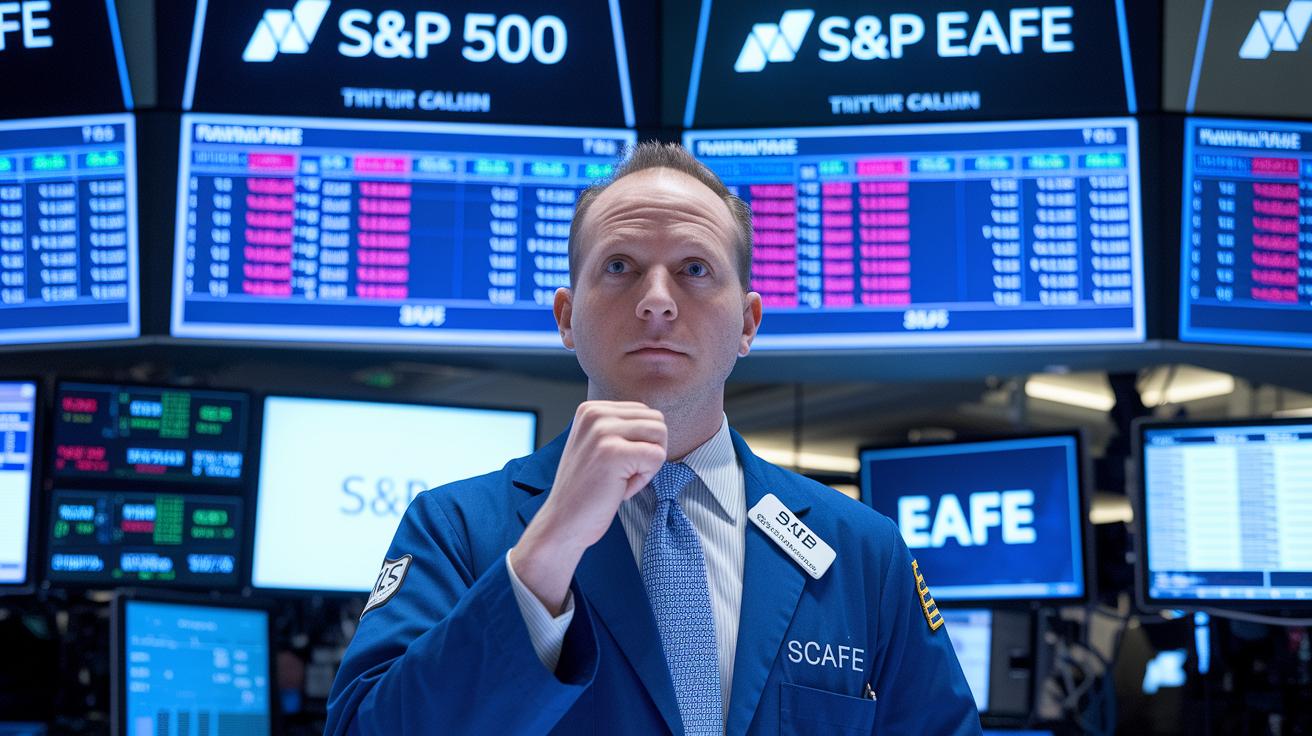
Developed markets offer a comforting sense of stability, thanks to strong sectors like technology, finance, and healthcare. Investors follow trusted indexes like the S&P 500 and the MSCI EAFE Index, which breaks down performance for regions such as Europe, Australasia, and Japan. With mature regulatory systems and clear market signals, these markets often show predictable trends that appeal to those who prefer steady and reliable growth.
Developed Market Strategies
In these established regions, investors enjoy steady growth and plenty of easy-to-use ETF options that simplify portfolio building. The clear, well-enforced rules help ensure that companies operate transparently and that market data is reliable. This kind of environment lets investors make smart choices while keeping risk under control, so long-term wealth building feels like a smoother ride.
Emerging Market Strategies
Emerging markets, think India, Brazil, and other frontier segments, offer exciting chances to tap into high-growth areas. Sure, things might get a bit volatile here, but the potential returns can be well worth the effort. Investors who carefully manage risks related to liquidity (how easily an asset can be bought or sold) and currency fluctuations might see rewards in small-cap segments that mature markets sometimes miss.
Shifting your focus during recovery phases is key. Adjust your portfolio by rotating into cyclical or high-performing sectors and planning market entry at just the right moment, for instance, check out best investment opportunities 2024 for a balanced blend of steady returns and growth potential.
Managing Currency and Geopolitical Risks in Global Markets

It’s no secret that exchange rate changes can shake up your global investments. But you can protect yourself! Hedging currencies, using forwards or options, is like grabbing an umbrella on a rainy day. And just as some showers come harder than others, each country’s liquidity (how easily you can buy or sell an asset) varies. Sometimes, you'll need to adjust your position sizes when market conditions shift, which helps keep your bottom line safe during sudden market storms.
Another key move is watching a country’s debt. Keeping an eye on debt ratings and yield spreads can quickly flag when a nation might be in trouble. Geopolitical events, like elections or trade disputes, can jolt the market and lead to quick changes in asset prices. So, tracking these signals is a smart way to keep your portfolio balanced and protect it from unexpected downturns.
And don’t forget about local regulations. New rules and cross-border changes can sometimes mean extra taxes or limits on foreign investments. Using planning tools and staying informed with regular market insights lets you adjust your strategy fast. This way, you keep your approach strong and ready to handle both currency swings and global uncertainties.
Rebalancing and Optimizing Global Markets Investment Strategies

Investors often take a new look at their international portfolios on a regular basis, whether it’s every few months or once a year. They watch out for market ups and downs using real-time dashboards that highlight shifts as they happen. Planning calculators help set the perfect dates to rebalance, making sure changes match both the market’s mood and their own risk comfort. And yes, those technical signals tell them exactly when to make slight tweaks for steadier performance.
Data analytics break down complex numbers into clear, everyday signals. Detailed reports and trend models give investors a peek into market movements, kind of like reading the pulse of a busy street at night. With planning calculators and live dashboards, keeping up with global trends becomes simple, guiding investors as they adjust their strategies with ease.
Measures like the Sharpe ratio help compare returns to risks, basically showing if an investment’s hustle is worth the worry. Investors lean on these risk-adjusted metrics along with technical signals and big-picture forecasts to set smart targets. Automated alerts even ping them if their portfolio drifts too far off course, while regular performance reports provide a steady reminder to keep strategies in check for long-term growth.
Staying nimble is key when the market shifts. By mixing regular rebalancing, clear analytic tools, and solid benchmarks, investors can quickly adjust their allocations to fit the changing scene. This flexible approach not only keeps portfolios balanced but also allows for agile moves that work to boost returns.
Final Words
In the action, this article broke down a mix of core strategies, from passive index investing to managing currency and geopolitical fluctuations, that help create a solid global plan. We examined each method, discussed macroeconomic indicators, and outlined how diversified portfolios combine with regional approaches.
We've shown how dynamic rebalancing and risk monitoring support long-term growth, making global markets investment strategies more approachable and effective. Every insight here reinforces that a well-rounded mix can help build confidence and drive success in today's fast-paced financial landscape.