


Have you ever noticed that a small change in a country’s trade can ripple through global markets? It’s like a tiny nudge that sparks a big transformation.
Just look at countries like India and China. They’ve built strong financial systems, almost like adding a secret spice to a recipe, and their rapid growth shows that even small tweaks in production can lead to big payoffs.
In this post, we chat about new ideas emerging in these markets. They hold exciting benefits for investors everywhere, whether you’re just starting out or you’ve been around the block a few times.
Doesn’t it feel amazing when a little change makes a huge difference?
Global Markets and Emerging Economies: Bright Future
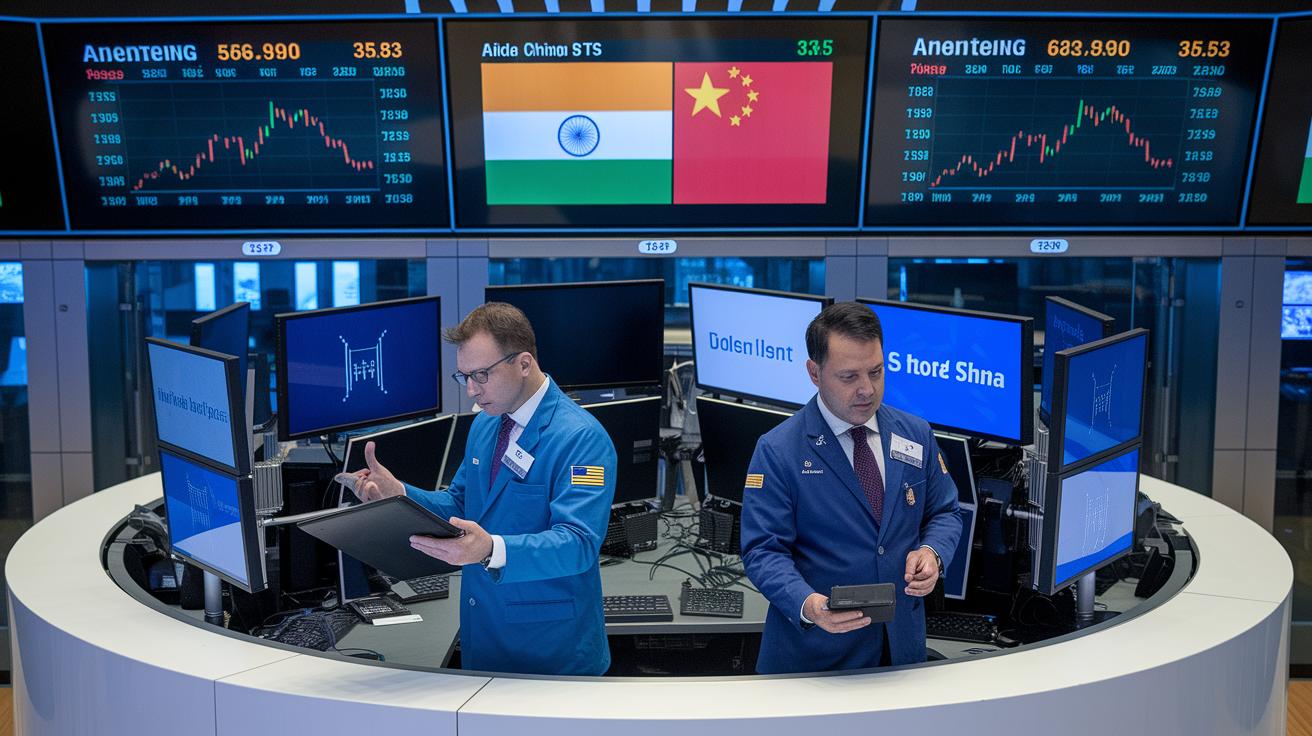
Emerging markets are countries that are quickly moving from developing to developed status. They are busy setting up important financial systems like banks, stock exchanges, and even creating a common currency. These improvements not only help local trade but also boost savings and attract investments from abroad. For instance, India’s economy grew from $2 trillion in 2014 to $3.9 trillion in 2024, while China hit an impressive $18.3 trillion, growing about 5.9% each year. Many of these nations use export-led growth, meaning they take advantage of lower labor costs to ramp up production.
Even a small change in manufacturing can make a big difference in global markets, kind of like how adding one extra ingredient can completely change a recipe. This shows that tiny tweaks in production methods can lift a country’s GDP and draw in foreign investors. Take Brazil, for example. Its economy has had some bumps, dropping from $2.5 trillion to $2.2 trillion because it depends so much on commodities. On the other hand, Mexico has steadily grown from $1.4 trillion to $1.9 trillion. These stories reveal a complex picture where quick changes create risks but also offer great opportunities for high returns.
Investors keep a close eye on these shifts as new policies and industrial progress continually reshape these emerging markets. It’s a dynamic scene where small moves can have far-reaching impacts, and each change invites both caution and optimism.
International Trade Trends Shaping Emerging Economies
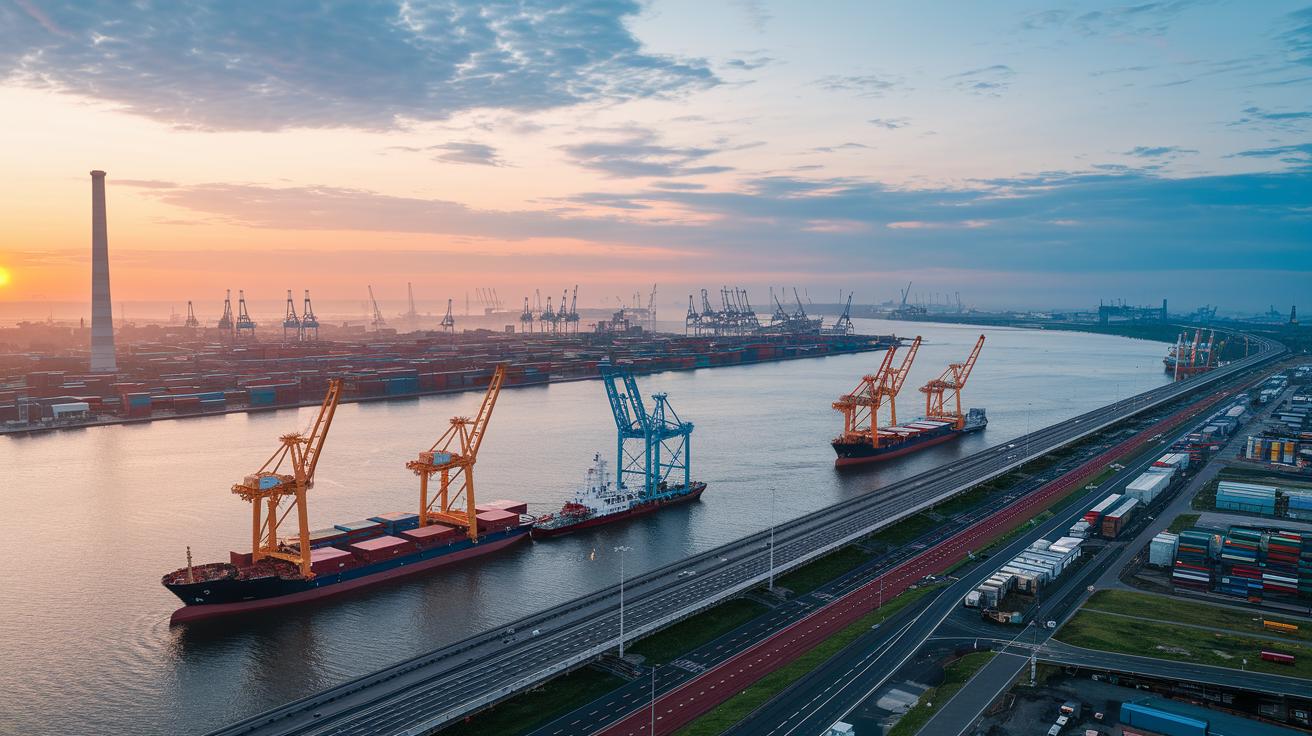
Emerging markets are changing fast thanks to trade liberalization and export-led policies. These moves open doors to big economies like the US, EU, and China, making connections stronger every day. Think about it this way: when a country lowers its trade barriers, it's like inviting a steady stream of customers from all over the world. As investments pour into key projects like roads, ports, and energy grids, many communities shift from farming to manufacturing. This change not only creates more jobs but also boosts production, reinforcing strategies that push exports.
New partnerships and regional deals are also sharpening these markets' competitive edge, even as fresh rules sometimes create challenges. Modern logistics and better capacity help local producers get their products out there, even if tighter regulations occasionally put up a hurdle.
Many emerging economies still rely on exporting raw materials. When global prices dip, these nations can feel the strain, much like a factory that slows down every time raw material prices drop, sending ripples through the whole supply chain. This shows that while trade trends offer great opportunities, they also bring risks that need careful navigation.
Cross-Border Investment Strategies and Capital Flow Dynamics in Emerging Economies

Emerging markets are buzzing with easier access to cash, as both bond and stock deals have become more fluid. This extra liquidity means local companies can grab funds quickly, while international investors are diving in too. It’s like watching a river swell, channeling needed capital steadily into these growing economies.
There are several key ways money makes its way into these markets. Take portfolio equity, for example, investors buy shares hoping for better returns. Meanwhile, foreign direct investments help companies expand by introducing funds directly into their operations. Governments also play a role through sovereign wealth allocations, which put cash into important projects, and infrastructure bonds that build up critical systems like transport, power, and port facilities.
Modern stock exchanges and unified currencies are smoothing out the bumps in cross-border deals, making local markets more appealing and stable for investors.
Some of the main capital channels include:
- Portfolio Equity: Buying company shares to ride the wave of growth.
- Foreign Direct Investment: Direct cash injections to boost local operations.
- Sovereign Wealth Allocations: Government funds backing pivotal projects.
- Infrastructure Bonds: Investments aimed at long-lasting development.
These smart investment moves and smoother financial channels are fueling the dynamic growth seen in emerging markets around the globe.
Multinational Policy Reforms and Fiscal Challenges in Emerging Economies

Emerging economies are shaking things up with swift policy changes that boost growth. For example, places like India and Vietnam are updating old rules to modernize how products are made. These tweaks help local businesses shine and catch the eyes of global investors. It’s a bit like changing a recipe, one little adjustment can make all the difference.
Big investments in roads, ports, and energy networks are speeding up travel and reducing delays. Imagine living in a city where quicker commutes make your day run smoother; that’s exactly what these projects are aiming for. They let cities and towns expand faster with easier transport.
But there’s a downside too. Many of these economies rely heavily on earnings from raw materials, so when prices drop suddenly, it can feel like a surprise storm that messes up everyone’s plans. And when money values swing around, central banks sometimes have to take risky steps to keep their currencies steady. It’s like walking a tightrope while trying to balance everything.
| Key Point | What It Means |
|---|---|
| Policy Reforms | New rules in manufacturing and trade are making it easier to do business. |
| Infrastructure Spending | Investments in roads and ports reduce delays and speed up growth. |
| Commodity Dependency | Lean reliance on raw materials can be risky when prices drop. |
| Currency Swings | Fluctuating money values force banks to try bold measures to stay stable. |
Developing Market Analysis: Case Studies of India, China, Brazil, and Mexico in Global Markets

India
India’s new policies in digital tech and manufacturing are giving investors fresh clues. A factory recently sped up its production by switching to a digital scheduling system, imagine an app that plans your day and even predicts your next move. This smart shift in how approvals and production work goes beyond what we’ve seen in older growth data.
China
China is pushing ahead with technology upgrades and new initiatives in rural areas. In one tech hub, local changes pushed productivity higher thanks to fiscal measures that made it easier for innovators to get going. Picture a small startup picking up speed because the government helped set up an accelerator program. These better policies are gently boosting productivity alongside China’s well-known export power.
Brazil
In Brazil, changes in energy policies and updated farming methods are making the markets steadier. An agricultural cooperative, for instance, now competes better abroad by adopting modern crop rotation techniques. Think of a farmer switching to innovative approaches to secure a better yield during unpredictable seasons. These steps show deeper effects on the market than just what the nation’s GDP figures might reveal.
Mexico
Mexico’s refined trade policies and investment rules are strengthening market resilience. One mid-sized manufacturer noticed smoother production flows even when global changes hit. Imagine shifting gears in your car smoothly when traffic suddenly changes. This real-world example shows how targeted regulatory tweaks can positively impact business performance, offering a new twist to our earlier economic overviews.
Future Forecasts: Global Markets Outlook and Emerging Economies Risk Assessment

Emerging markets will likely experience more ups and downs. Political changes, shifting currencies, and bouncing commodity prices can affect these economies quickly, like a sudden wind that scatters leaves. New tech and digital finance are opening up exciting ways to grow, but they also call for fresh rules. For instance, a tech startup might speed up because of smoother digital payments, yet regulators need to catch up to manage the risks.
As global supply chains become more connected, emerging economies get stronger by trading with many partners. At the same time, problems in one part of the world can spread fast, almost like ripples on a quiet pond. Investors should keep an eye on things like how sustainable a country’s debt is and how quickly it builds new infrastructure. These factors will show if new policies can hold up when times get tough. Even though market ups and downs pose challenges, they also create opportunities for smart risk management. In the end, learning to adjust to these shifts will be crucial for long-term success in these markets.
Final Words
In the action of our discussion, we walked through market trends, trade patterns, cross-border investments, policy shifts, and case studies of India, China, Brazil, and Mexico.
Each segment offered a clear look into how emerging market strategies and data insights shape financial growth.
The exploration of global markets and emerging economies shows that careful study of market data can boost confidence in making solid moves.
Step forward with optimism and a keen eye on these dynamic trends.
FAQ
What are global emerging markets?
Global emerging markets refer to countries shifting from developing to developed, rapidly growing with expanding infrastructures, improving financial systems, and increasing ties with international trade.
What is the definition of emerging economies?
Emerging economies are nations in transition that build robust structures like banks and stock exchanges while showing strong economic growth and evolving trade policies.
What characteristics do emerging markets have?
Emerging markets typically feature fast growth, export-led development, evolving financial institutions, and expanding infrastructure, which together drive increased global trade and investment.
Why are emerging economies important for business?
Emerging economies attract business by offering new investment opportunities, competitive labor costs, and growing consumer bases that provide high potential returns and trade expansion.
What are some of the top emerging markets?
Key emerging markets include countries such as China, India, Brazil, and Mexico, among others, each presenting unique growth opportunities and risks to investors.