

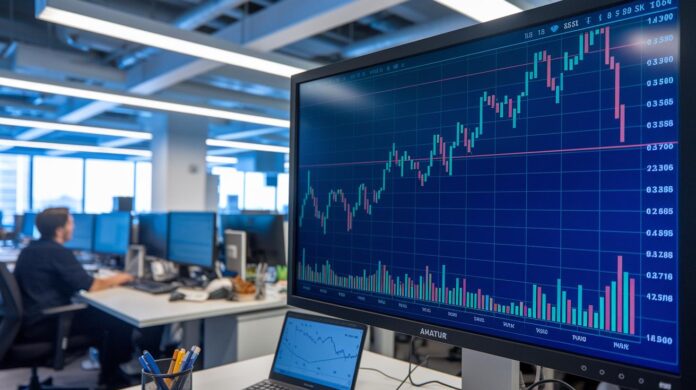
Have you ever felt like the global markets might be about to change in a big way? Some recent trends show that small shifts in our everyday spending could set off major moves. Clever investors are picking up on tiny clues hidden in familiar economic numbers so they can move quickly before things really shift. This fresh look at the data mixes real-time figures with the overall market feel, revealing how little hints today can lead to big opportunities tomorrow.
Global Market Trends Analysis: Future Gains Ahead
Market trend analysis is a method that uses numbers and patterns from around the world to guide smart decisions. It looks at simple facts like economic data and catches early hints, such as shifts in what people spend money on before big tech booms. This way, investors spot signs early and take thoughtful risks.
By mixing hard numbers with what customers feel, analysts can predict when new products will launch and when marketing pushes might pay off. They dig into trends before they become obvious, helping decision-makers stay ahead. Companies that use real-time tools, like platforms that track sales and economic changes, can adjust quickly as the market moves.
Using live data helps companies react fast when things change. Analysts keep an eye on various market shifts, and then they tweak their strategies to grab new chances as they come. Quick moves like these give a clear edge over competitors who might be slower to adapt.
Overall, this approach not only cuts down the guesswork in a bumpy market but also sharpens forecast accuracy. Experts use these insights to plan better, ensuring their strategies really fit the pulse of global market trends.
Cross-Border Trade Dynamics and Transnational Market Shifts

Global trade today isn’t just about fixed snapshots; it’s a living picture that shows how trade volumes and export–import balances change over time. Analysts closely watch steady export and import data, along with shifts in tariffs (fees on traded goods), to spot when trade flows rise or fall. For instance, when a country signs a new trade deal, you might see a boost in international sales that can change the competitive scene across regions.
Economic, cultural, and policy factors all mix into this story. When governments tweak their policies or when cultural trends evolve, it helps determine if changes in trade volumes are just temporary blips or lasting shifts. Think of it like sorting signal from noise, sometimes an investor will check out competitor website traffic or new product launches to pick up on emerging market patterns that impact global trade.
Regular updates on export and import figures give companies and investors a clear view of trade balance changes. They can track sudden shifts in international sales and compare them with overall competitor performance. When they spot something unusual, like a drop in exports paired with a rise in imports, it signals that a policy impact might be at play, urging decision-makers to adjust their strategy quickly.
Sectoral Growth Indicators and Consumer Behavior Trends
Top sectors today are judged not just by hard numbers but also by real-life feedback. Sales figures and growth rates paint a clear picture of how technology and healthcare are booming. And while numbers show the progress, consumer surveys and social media chatter reveal why these sectors are on the rise. For example, a survey might show that 68% of smartphone users are eager for faster updates, pushing tech companies to innovate faster.
Talking directly with customers is a smart move. Imagine a healthcare company finding out that most people prefer telemedicine over in-person visits; this real talk helps them tweak their services. In one case, a survey found that 65% of potential users were open to trying an online solution before a new product launch.
Tools like ZinklarAi play a big role in this process. They collect data from over 140 million consumers across 80 countries and break it down by age, region, and buying habits. This detailed look helps businesses see where differences lie, like urban areas quickly adopting digital tools while rural spots take a bit longer.
Marketers keep an eye on trends by tracking digital adoption rates and health and wellness topics. They use clear signals like rising website visits and social media buzz to spot opportunities and quickly adjust their plans.
| Data Type | What It Shows |
|---|---|
| Quantitative Data | Hard numbers behind sector growth |
| Qualitative Insights | The human behavior behind those numbers |
| Primary Research | Gaps and trends before launching new products |
This mix of data and real-world insight is essential for staying ahead. For more detailed performance data on different sectors, check out the equity markets outlook at https://tradewiselly.com?p=2472.
Macro Economic Shifts and Policy Impact in Global Markets
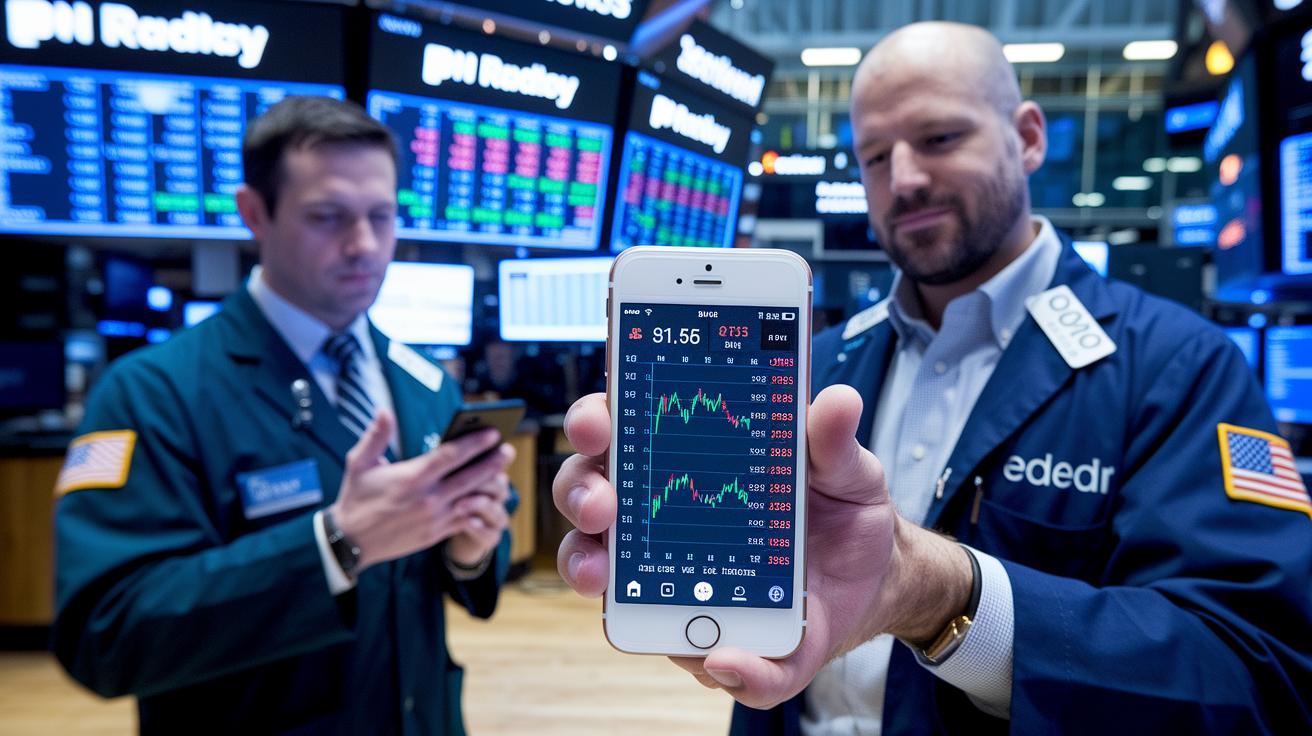
Global markets today are much like a giant puzzle made of numbers. Analysts look at everything, from GDP growth and inflation (the rate at which prices rise) to unemployment stats, to catch even the smallest shift right away. For instance, if inflation suddenly climbs, it's a bit like checking your temperature when you feel under the weather.
Central banks and government spending plans weigh in heavily on these trends. When a central bank tweaks interest rates, it sends ripples through borrowing, spending, and overall market confidence. Picture this: in a quarter where unemployment falls by 2%, consumer spending jumps, boosting everything from local shops to big manufacturing floors.
Regulatory updates, whether stricter financial rules or new trade laws, also force companies to rethink their game plans quickly. It’s a bit like a runner spotting a breakaway in the last stretch of a race, a split-second move that can change everything.
In a world where markets shift at lightning speed, keeping an eye on these economic signals is key. By staying alert, businesses can adjust their strategies in real time and keep that competitive edge sharp.
Cross-Border Investment Outlook and Volatility Assessment
Spotting new trends early can seriously cut down investment risk, it’s like catching a small ripple before it turns into a tidal wave. By keeping tabs on numbers like the standard deviation of returns, the VIX index (which shows market jitters), and currency shifts, you get a clearer sense of local risks. For example, a sudden spike in the VIX might hint that uncertainty is creeping in.
Watching these figures gives you a simple volatility profile that points out which regions might face quick changes. When you see funds moving, like a shift from stocks to bonds, it often means investors are searching for smoother waters. And sometimes, that nudges portfolio managers to rethink their risk strategies.
Key ways to stay ahead include:
| Method | Why It Matters |
|---|---|
| Regular volatility checks | Helps spot sudden market shifts |
| Comparing market flows | Reveals changes in capital movement across regions |
| Analyzing equity & bond moves | Gives clues about overall market mood |
These steps help you balance risk while finding promising opportunities overseas. If you’re curious to know more about how these trends affect the global market, check out additional insights at https://cipherstonk.com?p=219. Timely data and a sharp eye on these indicators truly guide you in rethinking your investments and protecting your portfolio amid a changing global scene.
Forecasting Future Market Cycles: Demand Modeling and Business Cycle Prediction

When you plan for market ups and downs, you start by looking closely at numbers and gut feelings from real customers. Companies mix hard data with what shoppers are saying in real time. This blend of demand forecasting and business cycle ideas helps decide the best times to roll out new products or push a marketing campaign.
First, you set a handful of clear goals, like how much money you want to earn or what slice of the market you’re aiming for. Then you keep your ear to the ground by reading industry reports and watching economic trends. These steps give traders a head start on what might come next. Tools like Google Trends or Statista show the quick pulse of market movements. For instance, if you see a spike in online searches for a product, that’s a warning sign it might soon become very popular.
Listening to customers is equally important. Companies gather ideas from surveys and social media buzz to learn what really moves people. These opinions, combined with data-driven predictions from simple statistical models or machine learning tips, help shape plans that are both smart and timely. This method gives a big picture view while zooming into the details that might make or break a product.
Finally, teams turn these insights into clear actions. They map out concrete steps to invest wisely or launch a product that stands out, giving them an extra edge when markets are uncertain. For more advanced tips and tools on forecasting, you might want to check out resources like Trend Analysis for Investment Strategies at https://tradewiselly.com?p=2496.
| Step | Description |
|---|---|
| 1. Define Objectives | Set clear goals like revenue goals and market share targets |
| 2. Stay Informed | Keep up with industry news and economic reports |
| 3. Use Research Tools | Use platforms like Google Trends and Statista for real-time market data |
| 4. Gather Customer Intelligence | Use surveys and social listening to understand customer feelings |
| 5. Apply Predictive Analytics | Turn data into predictions with statistical models and basic machine learning |
| 6. Map Strategic Actions | Turn insights into clear plans for products and investments |
Final Words
In the action, we reviewed how real-time data and smart forecasting shed light on market shifts. We looked at the factors risk reduction, trade dynamics, and consumer trends that empower investors to make solid decisions. The breakdown covered everything from analyzing cross-border investments to refining sector-specific insights. By focusing on global market trends analysis, this article reinforces that staying informed leads to confident and decisive moves. Stay positive and keep targeting informed strategies as you shape your financial future.
FAQ
What do market trends analysis examples illustrate?
Market trends analysis examples illustrate using data to spot emerging consumer demands and forecast industry shifts by comparing historical figures with current economic signals.
What does a market trend analysis PDF provide?
A market trend analysis PDF provides a detailed report summarizing market movements, risk patterns, and growth areas using charts and data to inform strategic business decisions.
What are the benefits of doing trend analysis online with tools like Google Trends?
Trend analysis online using tools such as Google Trends offers real-time consumer interest data, helping you quickly spot market shifts and make well-informed decisions.
What is trend analysis in accounting?
Trend analysis in accounting involves comparing financial statements over time to uncover shifts in revenue, expenses, and overall performance, helping assess business health.
How do you analyze market trends for global opportunities?
Analyzing global market trends involves combining quantitative data, consumer insights, and economic indicators to identify emerging opportunities and adjust strategies based on shifting market dynamics.
What are the three types of trend analysis?
The three types of trend analysis include historical analysis, sector-specific analysis, and macroeconomic analysis, each focusing on past data, individual industry movements, or broader economic trends.
How do platforms like WGSN, Mintel, and others help in market trend analysis?
Platforms like WGSN, Mintel, Peclers, EDITED, Henry Doneger Associates Inc, and PROMOSTYL provide expert reports and data insights that help pinpoint industry trends and guide forecasting.
What does a market trend analysis report cover?
A market trend analysis report covers key data points including economic performance, consumer behavior, and industry growth patterns to present a clear snapshot of current and future market movements.
How can I determine the current market trend today?
To determine today’s market trend, review real-time economic indicators, consumer sentiment reports, and sector performance data that reflect current shifts and market behavior.