


Have you ever felt like day trading is like riding a wild rollercoaster, where one quick move can mean a big win or a tough loss? Today, we're chatting about some simple tips to help you stay ahead and handle risks like a pro.
We're going to share easy strategies to boost your trading skills, try out your ideas on simulators (tools that mimic real trading without any real risk), and tweak your plan for when you trade for real.
Stick with us, and you'll soon see how little, smart moves can add up to bigger gains in the market.
Intra-Day Trading Tips to Boost Your Performance

Day trading involves buying and selling stocks, forex, commodities, or crypto within the same day. Basically, you're on the lookout for quick chances to trade, and you need to decide fast. One smart tip is to use a day trading simulator, you get to try out different setups without risking actual money. For instance, check out the recommended simulator on Cipherstonk.com.
Having a clear strategy is key. First, build your knowledge by reading books, tuning into podcasts, or even getting a mentor. Then, practice on simulators until you’re comfortable making trades. Focus more on the process than quick profits, and train yourself to handle sudden changes in the market.
If you’re new to trading, you’ll want to watch real-time data and work with brokers who offer low spreads and fast execution. It also helps to track the economic calendar, which gives you updates on big news like interest rates, inflation, and GDP. Even though these calendars can cost around $50 to $150 monthly, they help you time your trades better.
Try this four-step process: learn, practice, shape your own plan, and then take action. By following these day trading tips and grounding yourself in solid fundamentals, you'll be ready to respond quickly in fast markets and boost your trading performance.
Essential Risk Control and Capital Allocation Guidelines
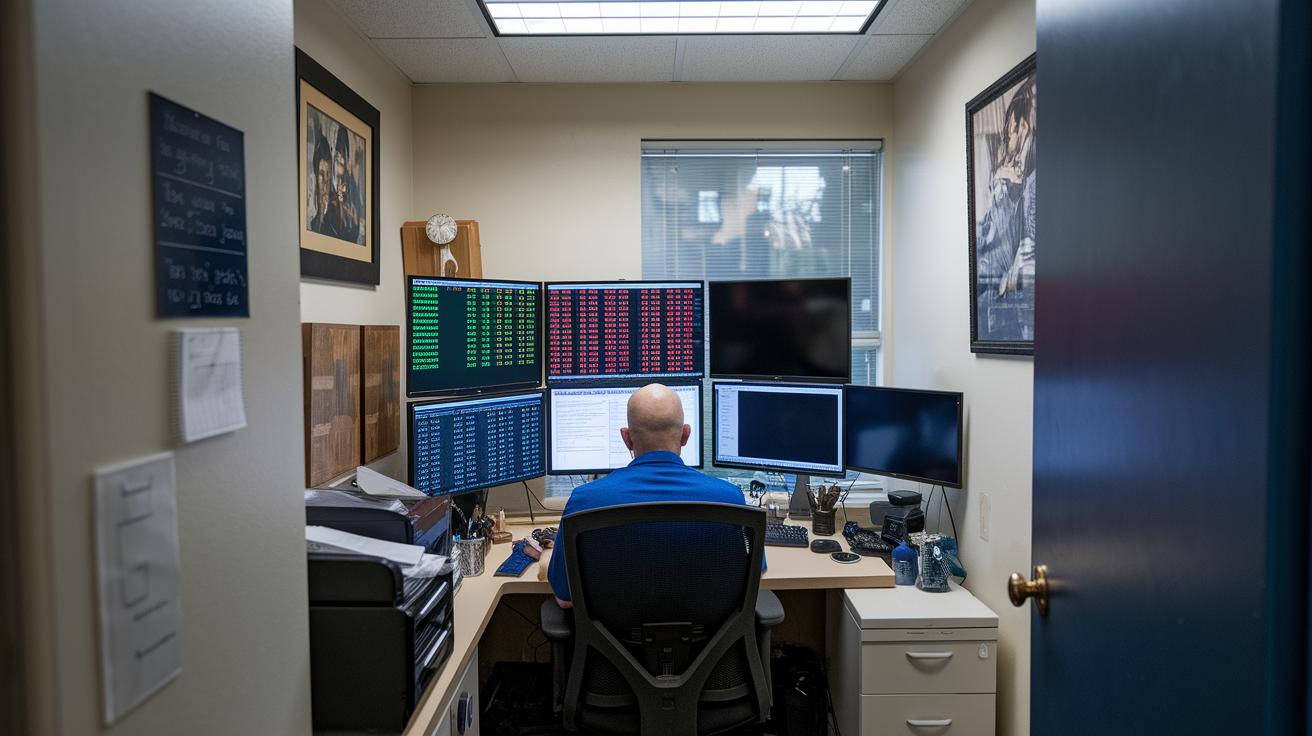
Managing risk is your first step in protecting the money you trade with. One idea is to use stop loss orders set at about 1-2% of your account per trade. So if your account holds $10,000, you’d set a stop loss that keeps your loss between $100 and $200 before you jump in.
It’s also important to size your trades so that no one trade puts more than 5% of your total funds at risk. Watching how you allocate your money can help ease tension during wild swings and keep you on track with your plan.
Be sure to know the trading rules too. For example, in the US, the Pattern Day Trader rule needs you to have at least $25,000 in a margin account. If your account is smaller, try using a cash account or set tighter limits for your trading day. A trader with just $5,000 should be extra careful by using stricter entry points and smaller positions.
By sticking to simple risk control methods and having a solid plan for stop loss management, you can set up capital guidelines that match your own limits. Keep learning, review your trading rules often, and notice any common pitfalls. Even with a small account, careful planning can turn each trade into a measured step toward greater market gains.
Mastering Technical Analysis and Intraday Chart Patterns

Start by treating real-time market data like a friendly guide. Technical analysis gives you a clear roadmap so you can see where the market might head next. Bollinger Bands, for instance, work a bit like speed limit signs, they show you when prices are straying far from the norm, hinting that a change might be just around the corner.
Candlestick patterns add another layer of insight. Patterns like engulfing and doji serve as quick, visual hints that the market could be about to reverse. Imagine spotting a doji on your chart, a small, balanced candle that signals buyers and sellers are in a quiet tug-of-war. It’s a gentle nudge, helping you decide when to step in or back off.
Indicators like RSI (which measures if a market is too hot or too cold) and MACD (a tool for spotting shifts in momentum) act like a heartbeat check for the market. They tell you if the trend is losing its strength or gathering force. And for extra reassurance, many traders lean on moving averages like the 20-, 50-, and 200-period lines. These averages work like a steady guide in choppy waters, confirming trends during sudden volume boosts or periods of calm.
Intraday chart patterns also play a key role. By keeping an eye out for recurring patterns during the day, you can pinpoint high-probability moments to enter or exit your trades. This approach, built on solid trend analysis, can really boost your confidence when making decisions.
Creating Effective Day Trading Setups and Execution Plans

Start by focusing on price action near crucial support and resistance levels. When a stock nears these zones, look for clear signals, like a bounce off a known support line, that could hint at a safe entry point. And if you notice a sudden spike in volume (which shows lots of people are trading), it adds confidence to your idea. It's a bit like sensing a tide change; when the signs are clear, your trade setup feels that much stronger.
Next, plan your entries with care. Limit orders let you lock in a specific price, while market orders help you get in quickly when prices swing fast. Knowing how each order works (limit orders give you exact control, and market orders provide fast fulfillment) makes it easier to match your trade with current market vibes. And if the market gets choppy especially during big news, you might want to widen your stops a little to protect your gains.
Then, create a clear execution plan before jumping into any trade. Decide on your profit targets and stop levels ahead of time. Break your plan down into simple steps: figure out what a good setup looks like, time your entries when market patterns form, and watch for consolidation patterns that could hint at a shift. Think of it like putting together a puzzle, each piece, like spotting a breakout or understanding support, plays its part. Sometimes, fading volume near resistance might call for a conservative limit order, while a robust high-volume move might mean you lean on a market order.
Finally, stick to your rules and take time to review your trades. This steady review process helps you fine-tune your strategy and builds a disciplined approach to day trading. When you consistently follow your plan, you create a strong foundation that can boost your market gains over time.
Selecting Brokers and Platforms for Fast, Reliable Day Trading

When picking a broker, look for one with tight spreads, sub-penny ECN execution (that means you get the best price quickly), and direct market access. It's a good idea to choose brokers that have been regulated for more than 10 years in trusted areas like the US, UK, or Australia. This history shows they have a solid track record, which can give you more confidence for smooth trading.
Keep an eye on commissions and fees, too. Compare brokers the same way you’d review a grocery bill, small charges can add up over time. This step helps you see who offers the best deal without unexpected costs.
Don't skip checking liquidity either. Make sure your broker provides deep markets so your trades fill fast. Testing out demo accounts lets you experience real-time trading without risking your money, which is pretty useful.
Also, take time to explore mobile trading options. Check that both the mobile and web platforms support hot-key orders and are simple to use. Then, revisit fee details with every option to ensure you pick a broker that truly meets your needs for fast, reliable day trading.
Practicing Day Trading Strategies with Simulation and Journaling

Try out simulation trading to boost your skills without any real risk. A day trading simulator or paper trading, like using a recommended "paper trading" platform, lets you test out different setups in a live-style environment. Think of it as training wheels on a bike; you can experiment with new approaches until you’re ready to handle real trades.
Set aside some time each morning to check for market-moving news, earnings, and global reports. A handy trading calendar helps you keep track of these key events, so you're not caught off guard by sudden shifts. Tweak your paper trading and virtual tools to match the day’s market mood, and be sure to look back at your performance often.
Keeping a trading journal is a must. Write down all the details from each simulated trade, whether it’s entry and exit points, gains, losses, or even how you felt during the trade. Over time, this record will show you patterns in both your strategy and your reactions. At the end of each session, take a few minutes to review the day, and maybe even use backtesting on old data to see how your strategies might have worked in different market conditions.
- Check your work on every trade
- Think about what each trade taught you
- Adjust your plan based on what you learn
These regular habits build the discipline and smart insights you need to grow as a trader.
Final Words
In the action, we rolled through the key elements of a solid intra-day trading approach. We looked at risk control tactics, technical analysis basics, and building trade setups that match a real-time market pulse. We also touched on choosing the right brokers and practicing with simulators to boost confidence. These day trading tips can help sharpen your market insight and portfolio strategies. Keep exploring, adjusting, and learning, you’re on a path to stronger, more secure trading moves.
FAQ
What are effective day trading tips from various online sources?
Effective day trading tips from reddit, beginner guides, and forex communities highlight mastering price action, practicing on simulators, strict risk control, and using real-time data to make timely trade decisions.
Where can I find PDF resources for day trading strategies?
PDF resources on day trading strategies outline actionable tactics like chart reading, technical analysis, precise entry and exit setups, and clear risk management steps to boost performance.
How much do day traders with $10,000 accounts typically earn per day?
Day traders with $10,000 accounts often earn modest profits, usually amounting to low single-digit percentage gains per day, depending on market volatility and individual strategy.
What exactly is day trading?
Day trading is the practice of buying and selling financial instruments like stocks, forex, or crypto all within one day, capturing small price movements instead of long-term growth.
Can day traders realistically make $1,000 in a single day?
While some experienced day traders can make $1,000 in a day, most find that daily profits vary widely and require strong strategies, market conditions, and careful risk management.
What constitutes the best strategy for a day trader?
The best day trading strategy blends clear technical analysis, defined entry and exit points, a focused risk management plan, and a routine that fits the trader’s personal market style.
What is the 3-5-7 rule in trading?
The 3-5-7 rule in trading refers to evaluating price movements across short, mid, and longer timeframes to identify trends and set effective entry and exit points throughout the day.
Is $100 a sufficient amount to start day trading?
Starting with $100 can introduce you to day trading, but most platforms and fees make it challenging to generate significant profits, so careful risk management and additional funds are advisable.