


Have you ever noticed how some traders make the most of just one day? Day trading is like a fast dash at a carnival, buying and selling things as quickly as you can catch a falling star. It's a game of swift moves and quick choices, based on today’s data instead of waiting for long-term trends. In this chat, we’ll walk through how day traders hustle and why this speedy method can lead to some pretty neat profits.
3. day trading meaning: Profits Await
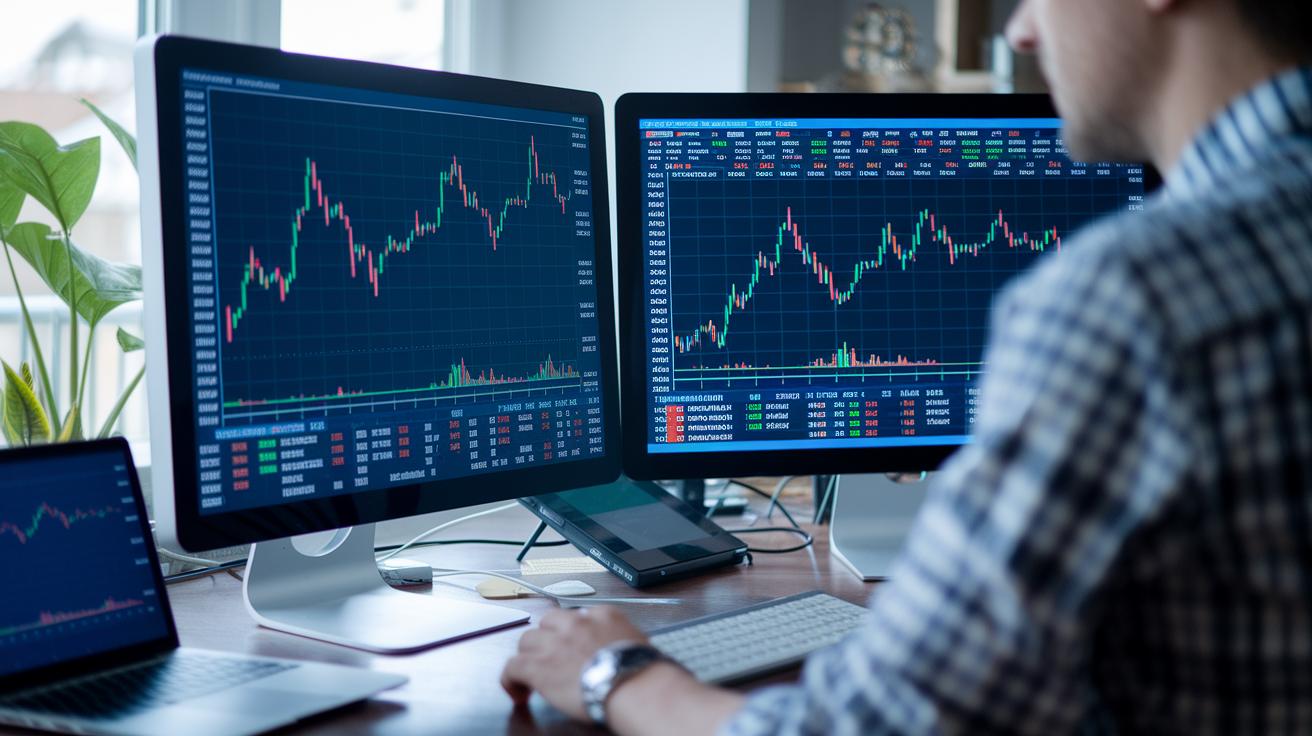
Day trading is simply buying and selling financial assets in the same day. You can think of it like buying a popular toy in the morning when everyone wants it and selling it later when its price spikes, all within a single day. Traders often work with stocks, bonds, options, futures, commodities, and even currencies because these items change in price quickly.
This style of trading is very different from holding on to investments for days or months. Instead of waiting for long-term trends, day traders act on quick market movements and rely on real-time data to make their moves. They pay close attention to technical charts and market signals, making fast decisions like catching a flash of lightning.
By closing positions before the market wraps up, day traders avoid risks that come with holding assets overnight, such as sudden price gaps or unexpected events. This focused approach lets them aim for steady, short bursts of profit while keeping things under tight control.
How Day Trading Works: Core Mechanisms and Analysis Tools

Day traders use technical analysis as their go-to method for making fast decisions. They watch real-time numbers and clear chart signals to figure out exactly when to buy and sell during short trading sessions. Think of it like reading a dynamic map: tools such as moving averages help show if prices are on a steady climb or beginning to fall, while other stats hint at sudden shifts in the market. By spotting these price patterns and trends, they find just the right moments to enter or exit trades, turning small moves into real opportunities.
Here are some key tools traders often rely on:
- Simple and Exponential Moving Averages (to gauge trend direction)
- Bollinger Bands (to see volatility and price extremes)
- Relative Strength Index (to spot overbought or oversold conditions)
- Stochastic Oscillator (to monitor shifts in momentum)
- Volume Weighted Average Price (to understand the average traded price level)
- VWAP (serving as a benchmark for institutional flow)
On top of that, big economic events play a major role in stirring up the market during the day. Announcements like FOMC meetings, nonfarm payroll numbers, inflation figures, GDP growth, and consumer sentiment reports can spark quick and sharp moves in prices. This means traders often need to switch gears fast to catch the opportunities when the market gets a little wild.
Day Trading Strategies and Techniques

Day trading is like riding a fast-moving river, each tiny shift in price can build up to a big gain if you catch the current just right. Traders make split-second decisions, aiming to capture small profits that add up as the day goes on. It’s almost like collecting little droplets that eventually form a stream strong enough to carry you forward.
Scalping vs. Active Trading Methods
Scalping is all about very short trades. Traders might only hold a stock for seconds, grabbing a tiny profit as soon as the price shifts, like quickly snapping up a deal in a busy marketplace. Active trading, on the other hand, allows for a bit more time. Positions might be held for minutes or even hours, giving trades a chance to develop at a steadier pace. The main difference is the pace: scalping demands constant, sharp focus, while active trading gives you a bit more room to let the idea grow.
Momentum Tactics for Rapid Moves
Momentum trading means keeping your eyes peeled for stocks or assets that make sudden, strong moves. Traders look for quick price jumps, either up or down, and use momentum indicators (tools that act like speedometers for price changes) to confirm these movements. They often set trailing stops to secure wins as the price surges, much like following a fast runner until they begin to slow down. It’s all about catching that burst of energy at just the right moment.
Entry and Exit Methods
Knowing when to jump into or out of a trade is key. Traders rely on different order types, like limit orders, market orders, and stop-loss orders, to mark clear entry and exit points. Before starting a trade, many set clear profit goals and risk limits. Imagine it like planning a road trip: you decide on your starting point and destination while choosing the best stops along the way to keep you on course.
Risk Management in Day Trading

Day traders often work with set profit goals and stop-loss orders as a smart way to limit losses. It’s like having a safety net when a sudden drop in prices hits. By planning your exit before you even trade, you keep surprises at bay and protect your money. For extra guidance, check out this detailed risk management plan: Risk management plan.
Another helpful idea is to keep your trade sizes small. Many traders risk only about 1–2% of their total funds on each trade. This way, even if a trade turns sour, it won’t shake up your entire portfolio.
When the market moves fast, staying calm is key. It’s normal to feel the pressure when decisions need to be made in a flash. Many traders use simple routines to keep their nerves in check. This helps them stick to a clear plan, ensuring every trade is a measured step rather than an emotional reaction.
Day Trading Rules and Compliance for Active Traders

The Pattern Day Trader rule kicks in when you make four or more day trades in five business days, and these trades cover more than 6% of everything you trade in a margin account. If you hit that mark, you need to have at least $25,000 in your account. It’s a bit like meeting a club’s membership fee, you’re showing you can handle the ups and downs of fast market moves. For extra details, you can check out the Pattern Day Trader Rule.
But that’s not all. Day traders also need to follow extra margin rules and go through compliance checks that are designed to keep risk in check. Regulators and trading platforms watch trade activity very closely to protect everyone and keep the market steady. To stay on track, it helps to keep good records, set clear limits on your trades, and use solid risk management practices. In short, by keeping a close eye on your positions and following these rules, you’re not only grabbing short-term chances, you’re also building financial discipline for the long haul.
Final Words
In the action, the post clarified day trading meaning by showing how traders buy and sell securities quickly during the same day. It explained the use of technical indicators, like moving averages and Bollinger Bands, and touched on how economic releases shape market moves.
The article also examined fast market strategies, risk management, and compliance, such as the Pattern Day Trader rule, to help secure your trades. Embrace these insights to build confidence and keep moving forward with your investing goals.
FAQ
What does day trading for beginners involve?
Day trading for beginners means executing multiple trades within one day. Beginners must learn market basics, practice technical analysis, and stick to strict risk control to protect their funds.
What does day trading mean in various markets?
The term day trading means buying and selling assets in one trading day. In stocks, forex, or crypto, traders aim for quick gains by capturing small price shifts in fast-paced markets.
What are the day trading rules?
Day trading rules set limits for same-day transactions, like the pattern day trader rule that requires having at least $25,000 in a margin account after making frequent trades, helping cap risk.
What is a day trader salary?
A day trader salary varies based on individual skills and market conditions. Earnings depend on the trader’s ability to make quick decisions, manage risks, and capitalize on short-term opportunities.
What are day trading strategies?
Day trading strategies include scalping and momentum trading. Traders use precise order types, technical signals, and strict entry and exit plans to capture small price movements for profit.
How does day trading work?
Day trading works by buying and selling securities within one day. Traders rely on systematic strategies and technical indicators, sometimes guided by economic news, to decide when to enter and exit trades.
Can I make $1000 per day from trading?
Making $1000 per day from trading is possible for experienced traders with sufficient capital and strong risk management, though it requires skill, careful planning, and a good grasp of market dynamics.
Can you day trade with $100 dollars?
Day trading with $100 dollars is challenging because limited funds restrict trade size and may not meet margin requirements, making it harder to manage fees and sudden market changes.
Why is day trading illegal?
Day trading itself is not illegal. Issues arise only when traders engage in misconduct or manipulate market prices, which can violate regulations and invite enforcement action.