


Ever wonder why some investors end up with smart returns while others fall short? Value investing works differently by focusing on a company’s real strengths instead of chasing short-lived trends. One book, in particular, has helped many investors with its clear and calm way of explaining things. Its easy steps show you how to safeguard your portfolio and catch hidden chances, even when the market stumbles. With wisdom from legends like Warren Buffett, this guide makes a strong case for careful investing that brings steady, long-lasting gains.
Premier Recommendation for the Best Book on Value Investing
For decades, one book has stood out as a trusted guide to value investing. The Intelligent Investor cuts through fleeting trends and zeroes in on timeless investing basics. Even in a world full of new theories, its steady approach reminds us that careful, disciplined investing is the real key to smart returns. Warren Buffett himself, a legend in finance, calls it the best investing book ever written.
At the heart of this must-read is the idea of a "margin of safety" – a cushion that helps protect your investments from unexpected risks. The book shows you how to dig into a company’s financial statements and use simple valuation ratios (which tell you how a stock’s price compares to its true worth) to decide when a stock is underpriced. This clear, step-by-step guide helps investors know when to jump in and when to hang tight during a market downturn.
Benjamin Graham’s influence shines through every page, making the book a reliable blueprint for anyone stepping into the market. His methods continue to help both beginners and seasoned investors. By mixing careful analysis with a down-to-earth look at market behavior, his work remains an essential resource for those who value real fundamentals and a patient, thoughtful approach to investing.
Comparative Analysis of Top Readings in Value Investing
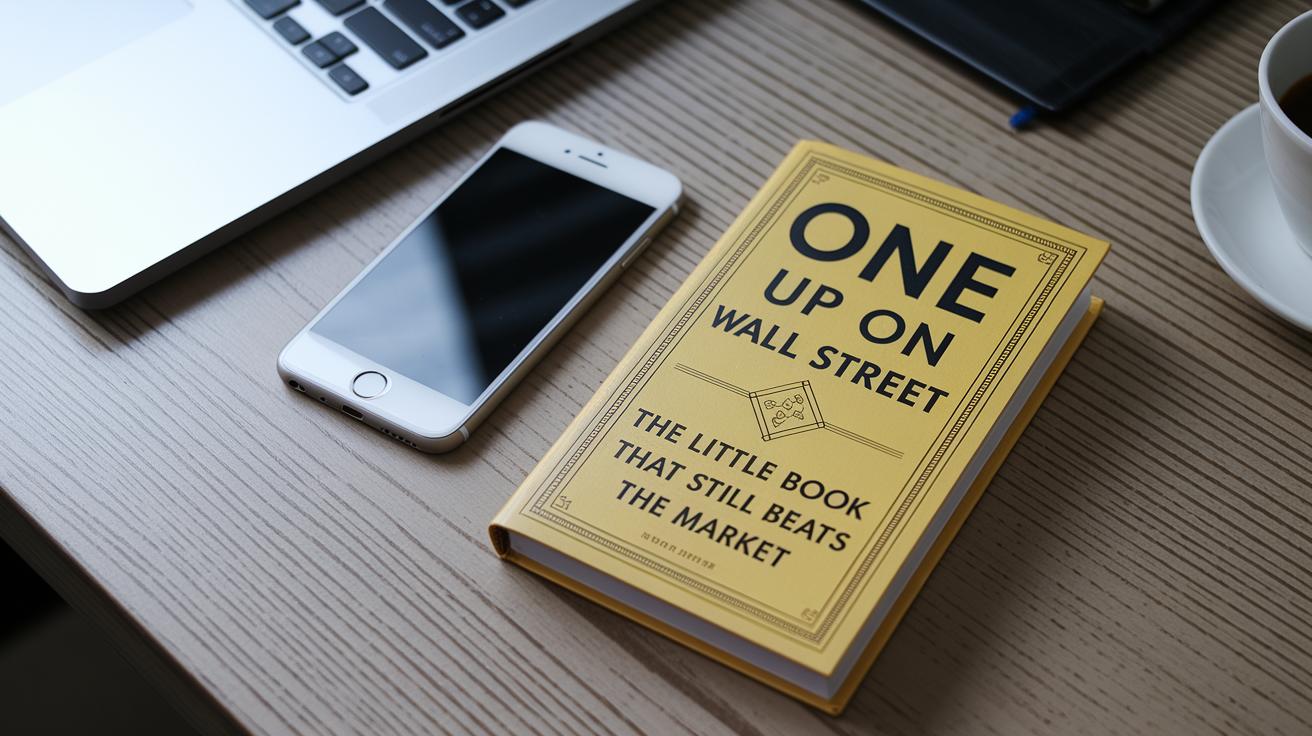
When you look at these time-tested books, you'll see that each one brings its own twist to how you value assets and pick your market moves. They mix hands-on advice with trusted methods, so you can choose the one that clicks best with your investing style.
One Up On Wall Street
One Up On Wall Street shows that everyday observations can lead to smart investment wins. Peter Lynch, famous for turning small bets into big results, tells you to watch everyday trends to spot hidden chances. It’s written in simple language that speaks both to newcomers and experienced investors.
The Little Book That Still Beats the Market
In The Little Book That Still Beats the Market, you'll learn about the Magic Formula, a simple way to find undervalued stocks. Joel Greenblatt breaks down tough ideas into steps that anyone can follow. His method makes it less intimidating to pick stocks with real potential.
A Random Walk Down Wall Street
A Random Walk Down Wall Street explains the idea that market prices already include all available information, a concept called the efficient-market hypothesis. Burton Malkiel shows that even with this theory, value investing can still work. His take offers a fresh look at common market beliefs.
The Psychology of Money
The Psychology of Money digs into how our feelings and biases affect our money decisions. Morgan Housel uses everyday stories to remind us that our emotions sometimes cloud our judgment. His advice is a gentle push to stay clear-headed during market ups and downs.
Security Analysis: Seventh Edition
Security Analysis: Seventh Edition takes a deep dive into time-tested techniques for valuing investments. Authors Graham, Dodd, and Klarman provide a solid guide for reading financial reports and finding steady investment opportunities. Whether you’re just starting out or have been at it for years, its detailed methods can sharpen your long-term strategy.
| Book Title | Author | Core Takeaway |
|---|---|---|
| One Up On Wall Street | Peter Lynch | Everyday insights can lead to great returns |
| The Little Book That Still Beats the Market | Joel Greenblatt | Simplifies stock picking with a clear Magic Formula |
| A Random Walk Down Wall Street | Burton Malkiel | Merges market theory with practical value tips |
| The Psychology of Money | Morgan Housel | Explores how emotions can sway investment choices |
| Security Analysis: Seventh Edition | Graham, Dodd & Klarman | Breaks down deep valuation techniques for steady growth |
Criteria for Selecting the Best Book on Value Investing
When you're diving into value investing, having a clear set of guidelines can really help you separate the gems from the distractions. These benchmarks point you straight to books that deliver practical advice, not just theory.
First, check for an author who has a solid track record, so you know you're learning from someone who’s been there and done that. Next, look for a clear explanation of margin-of-safety, that’s basically a way to protect your investments by not overpaying. The book should also walk you through easy-to-understand valuation ratios and include real-life case studies to show how these ideas work in the world. Don't forget to see if it offers step-by-step advice on how to build your portfolio. And it’s a big plus if it talks about how to tweak these strategies when the market changes.
Here's a quick checklist to guide your reading:
| Checklist | What to Look For |
|---|---|
| 1 | Authors with proven success |
| 2 | Clear margin-of-safety explanations |
| 3 | Easy valuation ratios and case studies |
| 4 | Practical tips for portfolio construction |
| 5 | Advice on handling different market cycles |
By sticking to these five points, you create a reliable framework for choosing the right book on value investing. This not only helps you be sure that the author truly knows their stuff, but also that the book offers real-world tips, like understanding financial numbers and practical examples in action. In short, these guidelines help you build a reading list that matches your investing style and makes your journey into value investing both clear and effective.
Best Book on Value Investing for Beginners

Starting your journey into value investing doesn't have to be confusing. A clear guide can make all the difference when you're just dipping your toes into the market.
The Little Book of Value Investing
In The Little Book of Value Investing, Christopher H. Browne breaks down the core ideas of value investing using simple, everyday language. He explains how to pick stocks wisely and why having a safety cushion (margin of safety) matters. It feels like a friendly chat, perfect for anyone new to investing who doesn’t want to get lost in technical talk.
The Psychology of Money
Morgan Housel’s The Psychology of Money tells real-life stories that show how our feelings affect our money decisions. The book is written in a warm, easy-to-understand way, helping you see how emotions can shape financial outcomes. Its clear examples and simple explanations make it a great read for anyone trying to grasp the human side of money management.
The Essays of Warren Buffett: Lessons for Corporate America
This collection of letters by Warren Buffett and Cunningham offers crystal-clear insights into how companies work and how to spot good investments. The conversational style makes complex ideas feel like an everyday discussion. It's an ideal resource for beginners who want to learn about equity analysis without being overwhelmed by technical details.
By digging into these books, you get a solid foundation in value investing without the heavy jargon found in more complex guides.
Advanced Reading: Ultimate Strategy Compendium for Value Investors
In Narrative and Numbers, Aswath Damodaran blends storytelling with solid number crunching. He shows how facts and stories work together to uncover a company’s real strengths. This makes it easier to see how a business might grow and stand out from the competition. He even covers smart ways to value companies in today’s digital market. Meanwhile, Quality Investing by Cunningham, Eide & Hargreaves takes a close look at things like a company’s economic moat (a competitive barrier) and good corporate management. It’s like learning how to build a reliable bridge that lasts through market ups and downs – a tool that builds both understanding and trust.
The Most Important Thing by Howard Marks digs into market cycles and risk rewards. It gives you clear ideas on when taking a risk might work out or when it’s best to play it safe. Marks challenges common market ideas with insights that serious investors really appreciate. And Value Investing: From Graham to Buffett and Beyond by Bruce Greenwald updates the old safety-margin ways for today’s varied industries. It offers hands-on advice for managing risk in changing markets. In each of these books, you see a mix of careful analysis and natural market sense based on real-world examples.
Together, these readings go way beyond the basics. They offer detailed, multi-layered strategies that blend strong business basics with a feel for how markets move. If you want to sharpen your value investing skills, these books are a must-read.
Applying Insights from the Best Book on Value Investing

Start by creating a simple model that helps you spot bargain stocks using a margin-of-safety approach. Think of it as setting up a checklist on a basic spreadsheet where you jot down a company's key numbers, like earnings, book value, and dividend history. Each number is a checkpoint that tells you whether a stock might be priced lower than its real worth. When you see a stock priced under its true value, it could be a promising buy. This hands-on method turns confusing formulas into clear signals that you can act on.
Next, shift your focus to building your portfolio and managing risk. Use your valuation model to create watchlists, then decide how much money to put into each stock based on its safety margin. It’s all about matching risk with what you’re comfortable with and your financial goals. Diversifying your investments helps manage swings in the market. For extra tips on keeping your portfolio balanced, take a look at some risk management ideas. By spreading out your investments and adjusting your position sizes, you protect your overall portfolio while still aiming for long-term growth.
Finally, put theory into practice by reviewing real case studies and refining your strategy. Look back at historical examples and behavioral patterns, and see how they can guide your current decisions. As you update your watchlists and risk controls with changing market conditions, you’ll learn to spot new opportunities, even in niche areas. Comparing traditional methods with alternative ones keeps you agile and informed in your investing journey.
Final Words
In the action, this article broke down timeless investment texts and compared classic insights side by side. We reviewed key ideas like margin-of-safety principles, fundamental analysis, and practical portfolio guidance.
Each section emphasized clear, actionable frameworks for both newcomers and seasoned professionals. We hope this recap inspires you to pick up the best book on value investing and put these strategies into practice. Enjoy the clarity and confidence that comes with every insightful page.
FAQ
What are some of the best books on value investing recommended for beginners and on Reddit?
The best books on value investing for beginners, widely recommended on Reddit, include titles like The Intelligent Investor and The Little Book of Value Investing. They offer simple insights into analyzing companies and long-term strategies.
Where can I access free PDF or downloadable versions of top value investing books?
Free PDF versions of renowned value investing books can sometimes be found on community forums and digital libraries. Always check that your source is legal and reliable before downloading.
What is considered the best value investing book of all time?
The best value investing book of all time is often seen as The Intelligent Investor, which offers timeless lessons on risk management, financial analysis, and disciplined long-term investing.
What does the 7% rule in investing mean?
The 7% rule in investing refers to an expected annual return benchmark that helps investors gauge potential gains while balancing risk and reward during long-term investment strategies.
How does the Earn Save Invest book suggest turning $100 into $1,000,000?
The Earn Save Invest book outlines a plan combining steady saving, smart investing, and the power of compound growth, showing how consistent habits over time can potentially grow a small sum into a large fortune.
What does the 70/30 Buffett rule in investing indicate?
The 70/30 Buffett rule in investing advises putting 70% of your money in well-established companies and 30% in higher-growth opportunities to balance stability with greater return potential.
What is Warren Buffett’s favorite book on investing?
Warren Buffett’s favorite investing book is often cited as The Intelligent Investor, which he praises for its sound advice on managing risk and maintaining a disciplined, long-term investment approach.
What does “Value Investing: From Graham to Buffett and Beyond” cover?
Value Investing: From Graham to Buffett and Beyond connects classic ideas like margin of safety and thorough financial analysis with modern market practices, making it useful for both beginners and experienced investors.
What key principles does “The Intelligent Investor” teach?
The Intelligent Investor teaches core principles such as the margin of safety, detailed financial analysis, and a steady long-term approach that helps investors manage risk while aiming for consistent returns.
What does “The Little Book of Value Investing” offer to readers?
The Little Book of Value Investing breaks down essential investment principles into a clear, concise guide, offering easy-to-understand strategies for assessing market value and capturing long-term gains.
How does “The Little Book That Still Beats the Market” help investors?
The Little Book That Still Beats the Market introduces a systematic method for spotting undervalued stocks, often called the Magic Formula, which simplifies complex market analysis into actionable steps.
What insights does “One Up on Wall Street” provide to everyday investors?
One Up on Wall Street offers everyday investors a way to spot opportunities by leveraging common observations, backed by relatable examples that explain how street smarts can lead to smart investing decisions.
What is the focus of “Little Book of Common Sense Investing”?
The Little Book of Common Sense Investing focuses on low-cost index investing and diversification, explaining how a straightforward buy-and-hold strategy can help investors capture fair market returns over time.