


Ever thought about practicing trading with pretend money? Paper trading lets you buy and sell stocks in a safe, no-risk setting. It's like rehearsing for a play, you try out your ideas without worrying about real cash.
It might seem a bit slow since you work with delayed data, but that helps you learn the market's moves and build your confidence. In this chat, we'll explore how these practice strategies can simplify trading and get you ready for the real market challenges.
Paper Trading Fundamentals: Definition, Benefits & Drawbacks
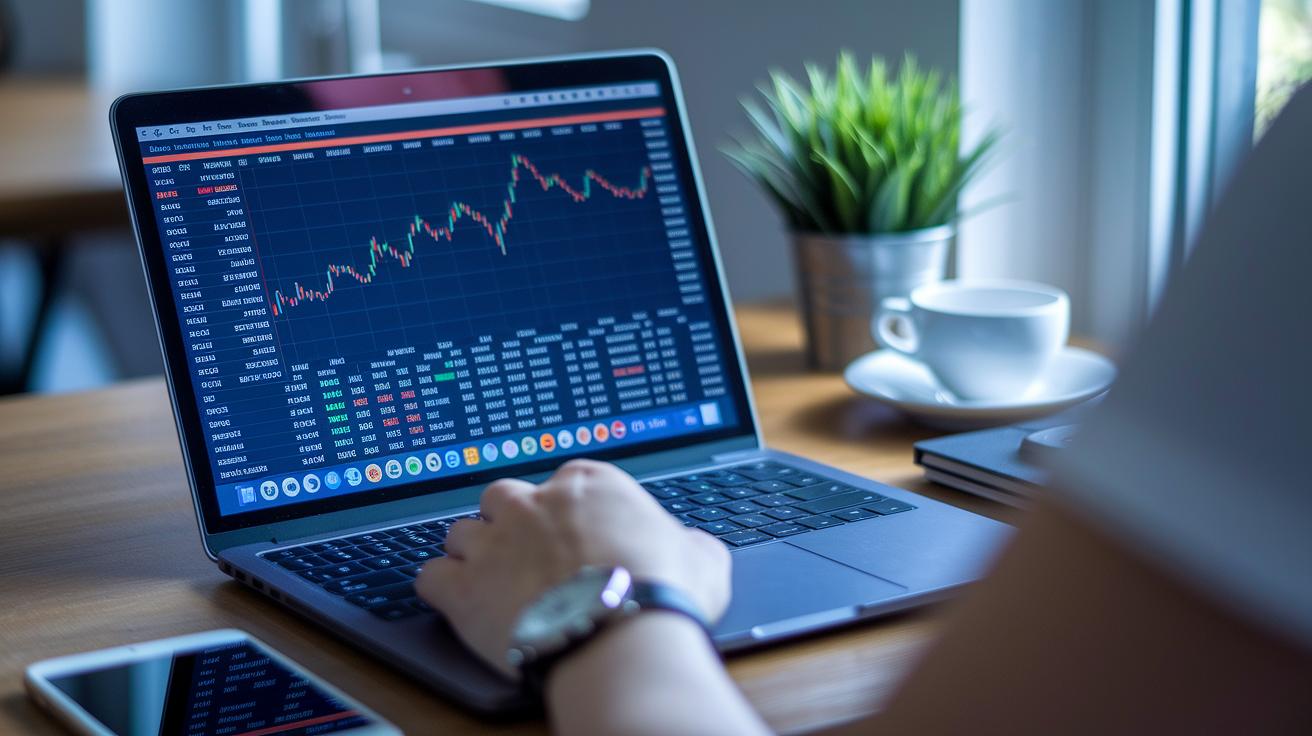
Paper trading is a way to practice buying and selling stocks with pretend money. It’s like a rehearsal where both newbies and seasoned traders can try out different ideas without risking real cash. Imagine testing your strategy in a safe, risk-free environment before stepping into the real market.
In these practice sessions, you get market data that shows trends and news, even if it arrives about 15 minutes later than normal. This delay still teaches you how the market moves. For instance, I once used paper trading to see how my stop-loss strategy would kick in during a sudden drop. It’s a gentle way to learn the ins and outs before facing the real deal.
Paper trading builds your confidence as it helps you get comfortable with how trades work. It’s like experimenting with different recipes until you find the right one for your financial meal. The more you practice, the more you understand when to jump in or back out, without the fear of losing your hard-earned money.
But don’t forget, paper trading can’t capture the real feeling of having actual money on the line. You might feel relaxed when trading with virtual funds, but the pressure of real cash can be a game changer. Plus, some real market issues, like slippage (a slight change in expected price), liquidity challenges, and delays in order execution, might not show up in these simulations.
In short, paper trading is a great training tool that helps you learn and test your strategies. However, when you move to live trading, you’ll face real financial pressures and unpredictable market quirks that this practice can’t fully replicate.
Paper Trading Simulators: Comparing the Best Platforms

Testing out new trading strategies without putting your cash at risk has never been easier. These simulation tools let you dive into the market's pulse, even if some quotes come with a slight 15-minute delay. Most demo programs offer free access for 30 to 90 days, giving you plenty of time to experiment and build your confidence.
ProRealTime stands out as the top pick. It’s often called the best simulator out there and pairs perfectly with IBKR for futures trading because of its top-notch charting. Imagine watching a pilot’s dashboard light up with clear signals during a test flight, that’s the kind of clarity you get with ProRealTime.
If you’re just starting out, Thinkorswim is another winner. Its easy-to-use interface and solid features make learning the ropes feel less daunting. Everything is laid out clearly, so you can focus on understanding the market without getting lost in complicated settings.
For those who crave detailed technical analysis, TradingView is hard to beat. It offers an extensive set of customizable charts, like a control center that lets you see every market move in real time. Advanced traders love its dynamic tools that help break down complex data into understandable insights.
Webull brings an intuitive design packed with a wide range of tools. Some features might be a bit hidden at first, but once you dig in, you’ll find what you need. And if you like the idea of social trading, eToro could be just right. With eToro, you can follow and even copy other traders’ simulated moves, making practice sessions feel more interactive and community-driven.
- ProRealTime: Best overall simulator, strong futures trading paired with IBKR, excellent charting
- Thinkorswim: Ideal for beginners with a user-friendly interface and comprehensive features
- TradingView: Excellent for advanced charting and detailed technical analysis
- Webull: Intuitive design with diverse tools, though some features can be elusive
- eToro: Perfect for social trading and copying peers’ simulated moves
For more on top desktop and mobile paper trading tools, check out paper trading apps and detailed reviews on the day trading simulator sections.
Paper Trading: Simulated Strategies Made Simple

Start by choosing a broker or an app that offers a demo account for paper trading. Whether you’re using a computer or a phone, there are plenty of options available. Once you’ve made your choice, sign up by verifying your email, picking a virtual cash balance (sort of like choosing your starting money for a game), and agreeing to the terms.
Then, explore the demo interface. Look for key tools like watchlists, charting features, and order entry sections. Think of it like checking out a new app before you use it for real transactions. For example, try placing your first market order, a basic practice trade that shows you how buying and selling work without any risk.
Next, experiment with placing different orders, such as market and limit orders, and keep an eye on them using the portfolio tracker built into the platform. This hands-on practice is a great way to build your confidence with simulated trades.
- Select a demo account through a broker or mobile app.
- Complete registration by verifying your email and setting a virtual balance.
- Explore the interface to find watchlists, charts, and order entry fields.
- Place and monitor simulated orders with the portfolio tracker.
Finally, if you’re on the go, use the mobile simulation guide in your demo app to practice wherever you are.
Paper Trading Strategies: Developing and Testing in Demo Markets

Paper trading is a safe way to try out your buying and selling rules without putting any real money on the line. Think of it like practicing a new dish before serving it to your guests. Some traders even say they crafted their winning methods entirely in these demo setups, gathering vital clues without the stress of risk.
When you use a simulated market, you get to experiment in real time with live demo sessions while also backtesting past data. It’s a bit like putting a car through both a racetrack and busy city streets, each test gives you a fresh look at how your strategy handles different market conditions.
As you practice, focus on key parts like how much you invest in each trade (position sizing), the safety nets you set (stop-loss orders), and the balance between potential profit and risk (risk-reward ratios). Many platforms even include handy tools that show your profit, loss, and how much your funds might drop as you try different approaches. For example, if you’re fiddling with a short-term strategy, watch how quickly stop-loss orders kick in to cut down losses during a sudden dip.
Keep an eye on performance numbers to sharpen your strategy. You might adjust your entry points, try out various exit plans, and look for consistent patterns over multiple sessions. As you get more comfortable, experiment with the platform’s risk management features to see how small changes in your investment size could have a big impact on your overall results.
- Validate your entry and exit rules safely.
- Combine live demo sessions with backtesting tools.
- Evaluate position sizing, stop-loss orders, and risk-reward ratios.
- Use portfolio analytics to monitor performance.
Keep experimenting. With time and a bit of tweaking, you’ll develop a strategy that not only works well on paper but is also ready for the real trading world.
Advanced Paper Trading Techniques and Tools
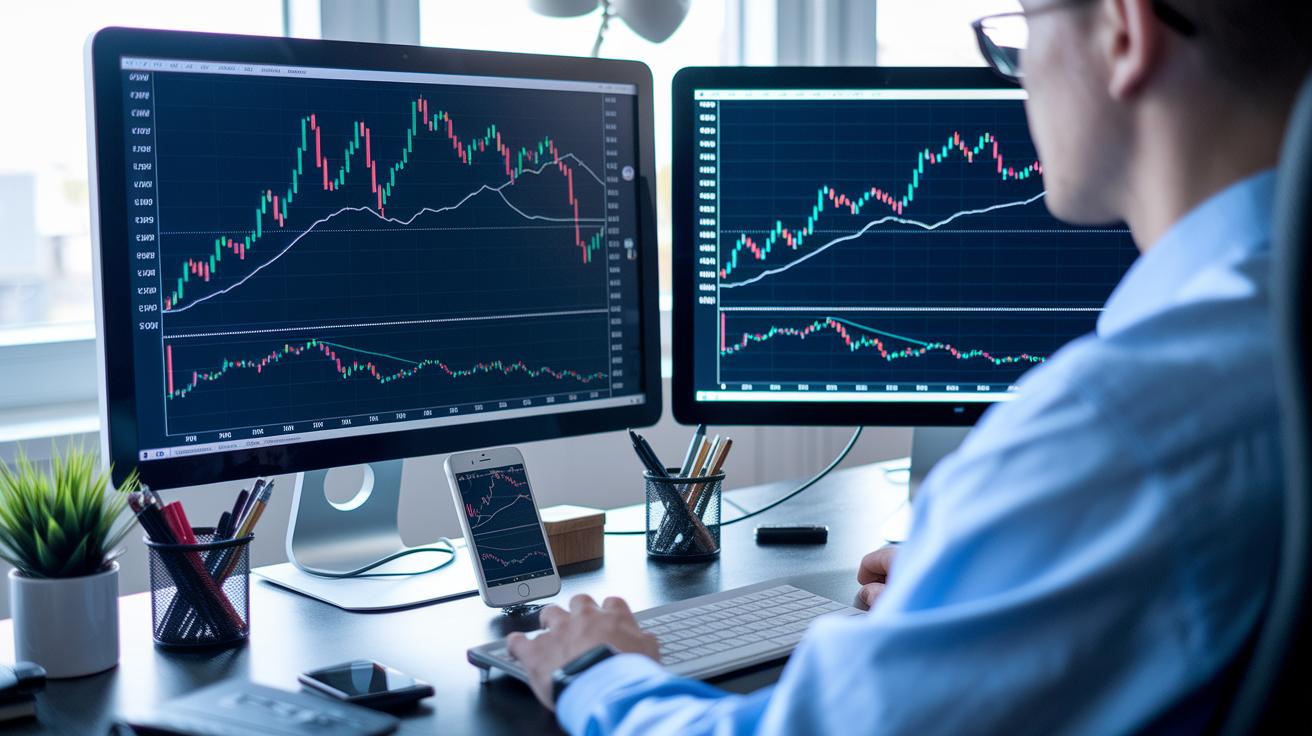
If you’re ready to level up your paper trading game, there are now platforms that let you set up custom bots to manage your trades automatically. It’s a bit like programming your coffee maker to wake you up, set it and then let it do its thing. For instance, you might have a script that automatically buys stocks when prices fall below a moving average.
There’s also a cool technique called algorithmic simulation testing. This tool lets you play around with different buy and sell rules using real-time data. Think of it like tweaking the settings on a car’s dashboard, you can adjust parameters like EMA (which shows recent price trends) or MACD (a tool that helps spot price changes). Many platforms, like TradingView in simulation mode or thinkorswim with its thinkScript, give you step-by-step guides to explore different technical conditions without risking real money.
Another practical help is a chart study walkthrough, which gives you a guided look at key indicators like moving averages, MACD, and SMA (simple moving average). This kind of walkthrough helps you see how little changes, like adjusting the time period of a moving average, can alter your trade signals.
- Automated demo trading: Set up custom bots to work for you.
- Algorithmic simulation testing: Experiment with strategies using live simulation.
- Chart study walkthrough: Learn how tweaks in indicators like EMA, MACD, and SMA affect your trades.
These advanced paper trading tools let experienced traders fine-tune their strategies. They turn simulation into a lively testing ground, where you can feel the pulse of real-world market moves while learning what works best for your trading style.
Transitioning from Paper Trading to Real Trading
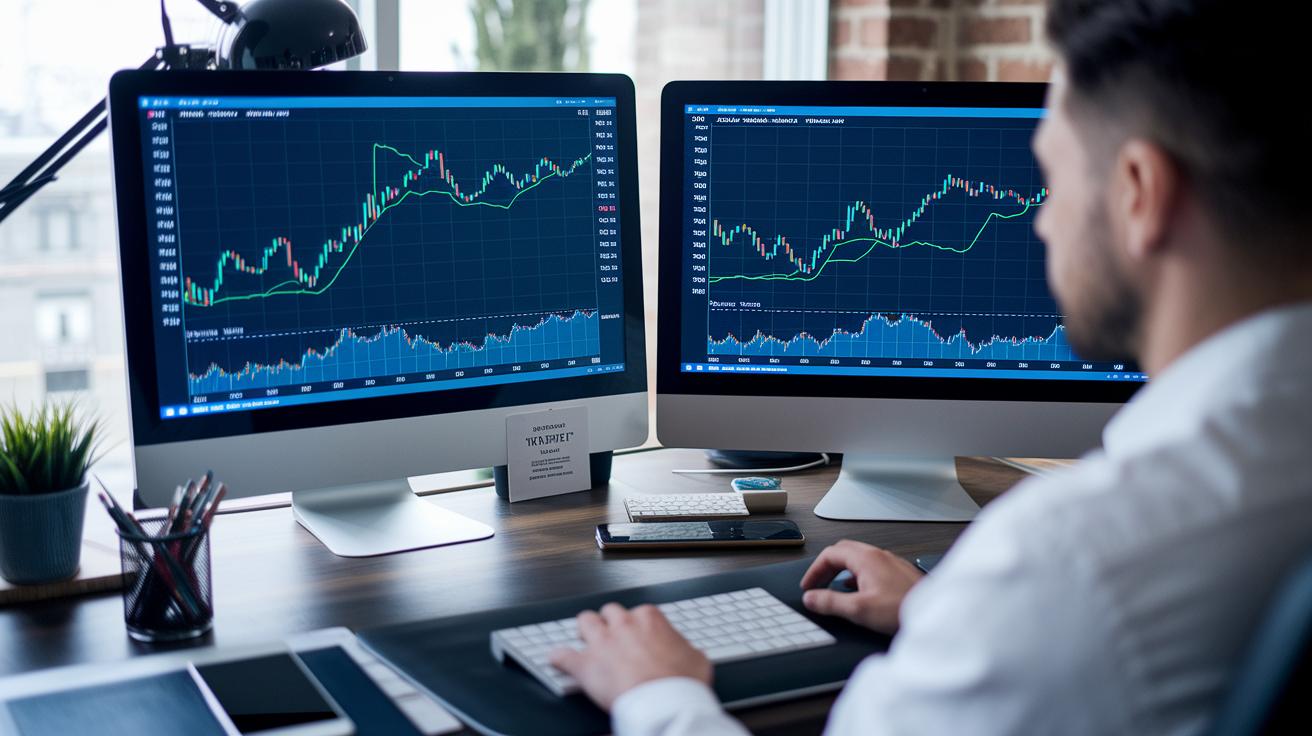
Moving from paper trading to live trading feels a bit like stepping off the practice field into the real game. In paper trading, you can experiment with strategies without any real consequences. But once you trade with real money, factors like slippage (when the price changes unexpectedly), liquidity issues (how quickly you can buy or sell), commissions, and wider spreads start to matter. These real-world elements can alter your results in ways that a demo just can’t mimic.
Even if you’re comfortable in a demo environment, the pressure of having your own cash at risk is a whole different story. Emotions such as fear and greed can really shape your decisions when your wallet is involved. A demo lets you test your methods safely, but live trading calls for a more measured approach with every trade.
Real markets also throw unique scenarios at you. You might run into situations where large orders or sudden price swings during major events shake things up, moments that you’d rarely see in a simulated setting. Drawing on what you learned from demo performance can help you set clear profit targets and risk limits that work when money is on the line.
Bringing a reliable strategy from the demo to live trading means you’ll need to adapt to those unpredictable market moves and manage the emotional ups and downs that come with trading real funds.
Paper Trading: Common Questions Answered

When you try simulated trading, you get a chance to test your strategies without risking real money. But keep in mind, these demo setups might miss a few tiny gaps in timing or slight price changes you’d see in actual trading. Think of it like this: you see your order execute perfectly on screen, yet in live trading, even a well-timed order might see a small shift because of market depth.
Paper trading gives you a glimpse of real market trends, but it doesn’t show the little issues like slippage (a small price change when buying or selling) or liquidity challenges (how fast an asset can be traded). Plus, the data in these simulations can lag by around 15 minutes unless you opt for a real-time feed. The price movements look real, but they don’t capture the pressure or the slight execution delays of live markets.
| Feature | Notes |
|---|---|
| Market Data | Often delayed by 15 minutes unless upgraded |
| Order Execution | Simulated orders don’t capture small slippage or liquidity issues |
Final Words
In the action, this article walked through the basics of using a simulated market to practice share trades. It explains the steps of setting up a demo account, compares popular simulators, and tests varied strategies. Readers learned about refining techniques through virtual order placements and how demo-market insights pave the way for real trading challenges. Using paper trading helps build confidence and feeds into your growth before stepping into live markets. Keep it simple, test new ideas, and remember that every simulated move prepares you for success.
FAQ
What does paper trading mean?
Paper trading means using virtual money to simulate stock or crypto trades without risking real funds. It helps test strategies and build trading skills in a risk-free environment.
How does paper trading on TradingView work?
Paper trading on TradingView lets you simulate trades with virtual funds while using advanced charting and technical tools. It provides real market trends to help refine your strategies.
Can I paper trade for free?
Many platforms offer free paper trading demo accounts for limited trials, typically 30 to 90 days. These demos use virtual money and may have delayed market data unless upgraded.
Which platforms offer paper trading solutions?
Top platforms include TradingView, Thinkorswim, Webull, and eToro. Each has its own demo environment designed to help you practice with virtual trades and test various market strategies.
How does paper trading on Webull differ?
Webull’s paper trading offers an intuitive interface with a range of tools, mimicking live market conditions. Some features may require a brief search, but overall it provides a solid practice environment.
What is Thinkorswim paper trading known for?
Thinkorswim paper trading is known for its user-friendly design and robust features. It makes it easier for beginners to execute orders and experiment with various trading strategies without risk.
What is the 3-5-7 rule in stocks?
The 3-5-7 rule in stocks is a trading guideline that helps assess performance metrics. It’s used by some traders to time entries and exits by evaluating specific price movements over set periods.
Is $100 a day good for day trading?
Earning $100 a day in day trading varies per trader’s strategy and experience. Some see it as a modest target to build up, while others aim for higher returns once they refine their approach.
How does paper trading crypto differ from traditional paper trading?
Paper trading crypto uses virtual money to simulate digital asset trades. While similar to traditional paper trading, it focuses on the crypto market’s volatility and unique trading challenges.
What brokers are popular for paper trading?
Popular brokers for paper trading include TD Ameritrade, Interactive Brokers, and eToro. They provide demo tools that let you practice trade strategies and get familiar with market conditions before going live.