


Ever thought day trading might be as easy as a few clicks? Picture a tool that feels like your personal guide, lighting your way through the busy trading world.
This software blends live data (the real-time numbers you need), clear charts, and smart analysis into one handy package. It even gives you a chance to try a demo first, so you can get comfortable before taking the plunge.
With these features, spotting trends early and making quick, smart moves becomes something you can really count on.
Day Trading Software: Essential Features Compared

Day trading software helps you make smart market moves by bundling live charts, interactive price displays, and strong analysis tools into one handy package. Imagine starting with a free 30-day demo account that lets you practice using AI-powered trade assistants which spot trends even before they fully develop.
Eightcap stands out with its AI-powered Labs that offer solid charting tools and let you trade over 120 crypto CFDs. Their platform even includes a backtester for your strategies and a risk management tool that shows you potential price swings in clear detail.
AvaTrade’s WebTrader also impresses with six different chart layouts and over 60 technical indicators. This setup breaks down tough market data into easy-to-understand, actionable insights that you can use right away.
XM makes a mark by offering advanced charting on both MT4 and MT5 platforms, with spreads starting at 0.0 on its Zero account and a low deposit of just $5. It’s a great pick if you’re looking to start small but still need real-time market details.
Pepperstone is celebrated for its ultra-low spreads, award-winning charting tools, and friendly 24/7 customer support that keeps your trading smooth even when the market gets wild.
Both Eightcap and Pepperstone let you try their platforms risk-free for 30 days, with an option to extend if needed. This trial period gives you a chance to get comfortable with all the features before diving into live trades.
Day Trading Software Performance: Speed and Reliability
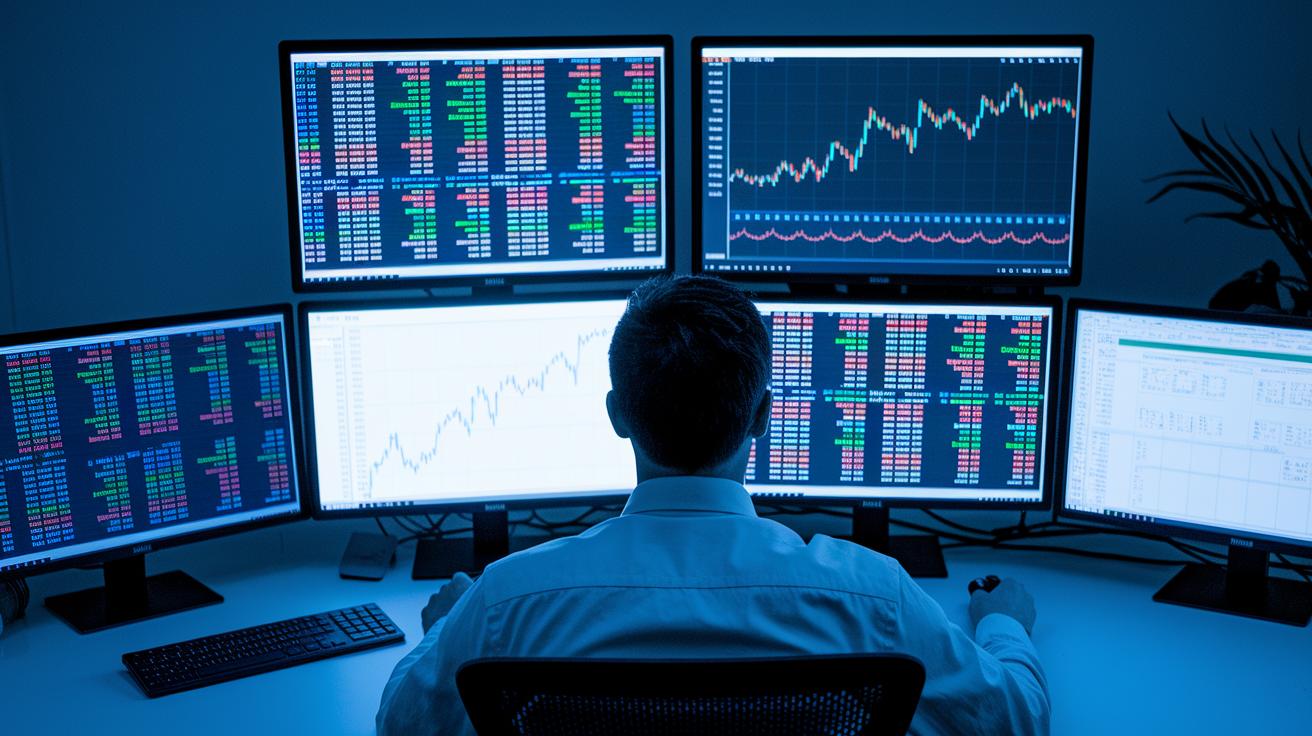
IC Trading’s platform truly stands out when every millisecond matters. They boast an average execution time of just 40 milliseconds, so your orders get filled quickly with plenty of buyers and sellers available. It’s like pressing a button and watching your trade light up almost instantly, no lag to worry about.
Pepperstone is in the same fast lane. Their smart order routing cuts down on delays and pairs your trades perfectly with market moves. In a world where even a blink can shift market outcomes, this speed really makes a difference.
AvaTrade makes it easy to dive in too. With a sign-up that takes only five minutes, you get access to real-time price updates right away. This means you’re always in step with the market’s rhythm from the moment you log on.
Then there’s Deriv. They bring extra connectivity with their web-based MT5 and TradingView combo, geared especially for synthetic-indices trading around the clock. Thanks to cross-platform monitoring and the ability to link with many brokers, you enjoy a stable, fast, and live trading system every time you place an order.
Day Trading Software Pricing and Demo Options

Different trading platforms set up their fees in various ways so you can pick what works best for your budget and style. For instance, XM only asks for a $5 deposit to open their Zero account, which lets you trade with 0.0 spreads. It’s a neat low-cost option if you’re just testing the waters without putting too much cash on the line.
eSignal, on the other hand, charges a premium subscription fee. This lets you tap into some top-notch charting tools that give you a closer look at the market’s flow. Think of it like having a detailed map to track market twists and turns.
Then there’s TradingView, which offers a mix of options. You can use a free version with limited tools or move up to paid plans when you need more advanced features and extra indicators. It’s a flexible setup that grows with your trading needs.
If you’re looking to experiment without any real risk, Eightcap and Pepperstone have got you covered with demo accounts. These accounts last for 30 days, letting you experience live market conditions without spending a dime, and you can even ask for extra time if needed.
| Platform | Fee Structure | Subscription Model / Demo Access |
|---|---|---|
| XM | Low deposit ($5) with Zero spreads | N/A |
| eSignal | Premium subscription fee | N/A |
| TradingView | Free tier (limited) with paid plans for advanced features | N/A |
| Eightcap & Pepperstone | Standard fee structures | 30-day demo accounts, extendable on request |
Customizable Day Trading Software and Platform Integration
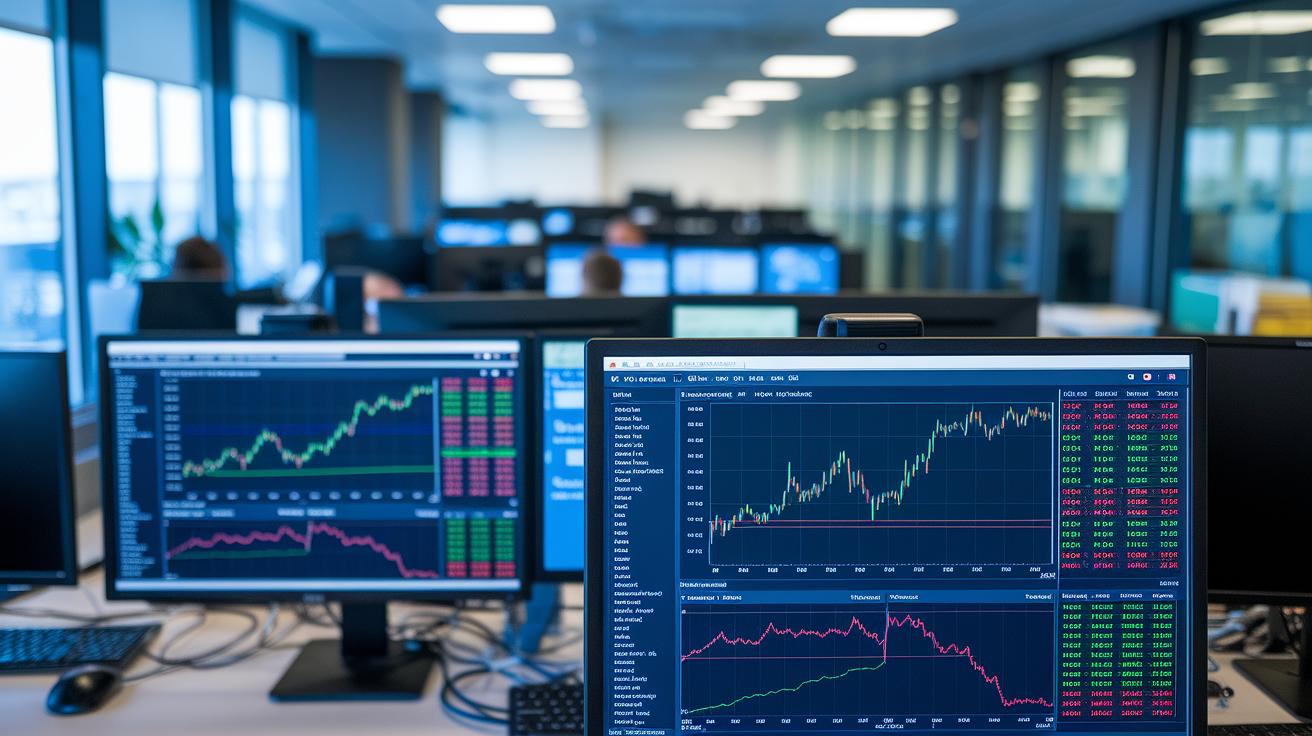
Traders nowadays look for a platform that feels like a personal workspace. Many top systems let you drag and drop widgets, build widget-based watchlists, and open multiple windows to suit your style. For instance, Deriv blends TradingView with web MT5 so that you can see your charts all in one place and place orders quickly, imagine it like your custom-built control panel.
Interactive Brokers and ThinkorSwim also allow you to tweak your interface via APIs, letting you run your own algorithms and fine-tune your entire trading setup. Picture it like setting up a strategy backtester that runs on its own while you handle live trades, making tough data as simple as creating your favorite playlist.
And here’s something cool, broker connectivity integrators now let you link several brokers at once. Pepperstone and IC Trading offer smooth integration, syncing your desktop with your mobile device. Whether you're at home on your laptop or on the go with your phone, your order data moves seamlessly.
In short, thanks to strong support for third-party integrations, you can build a unified trading system where every tool, from charting modules to smart order routing, works together. This gives you the power to make smarter, more effective market moves.
AI-Powered and Algorithmic Solutions in Day Trading Software
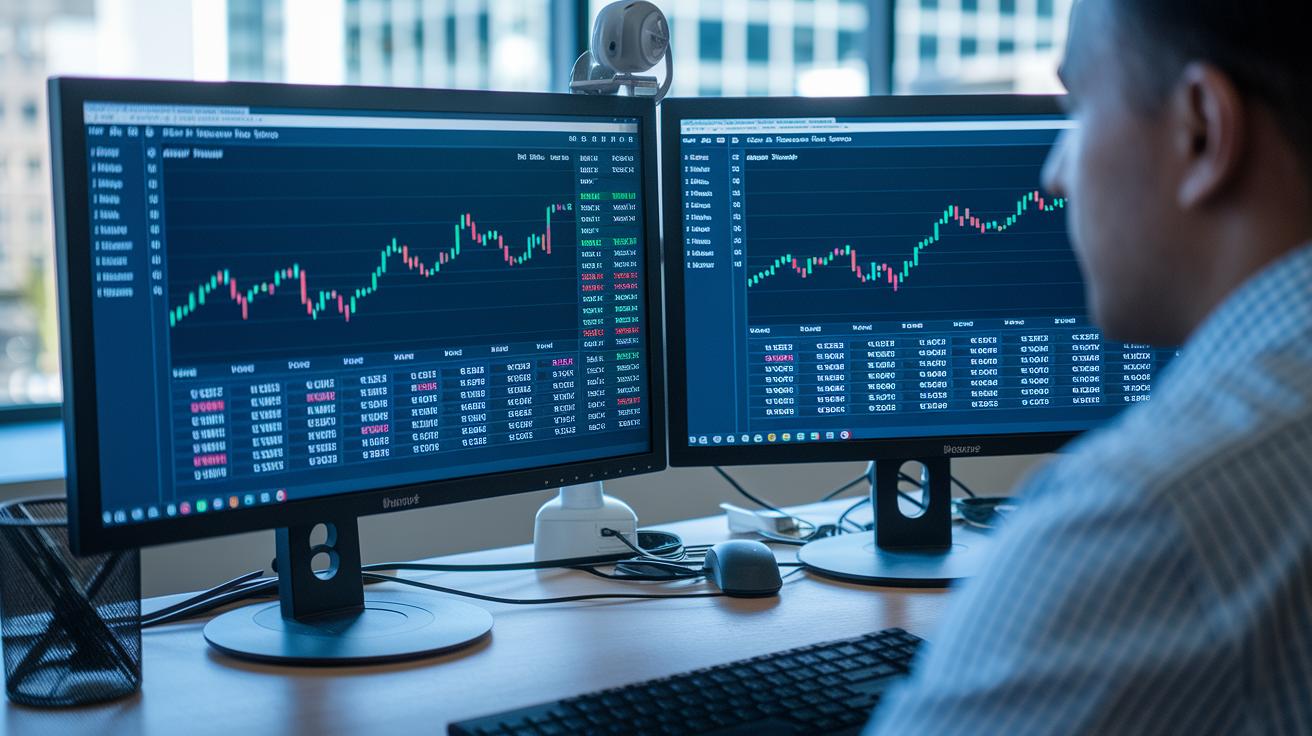
Today’s trading platforms have gotten really smart. They mix AI with smart algorithms to help you make better choices in the market. Take Eightcap Labs as an example, they’ve built AI helpers that adjust your trading strategy on the fly. Imagine a system that notices a sudden spike in trading volume and then tweaks your plan, almost like a friendly expert giving you a quick tip.
The MT4 and MT5 backtesting engines are another neat tool. They let you test out your trading ideas by using years of historical market data. These engines team up with pattern scanners that spot changes in real time. It’s like being at a busy event and suddenly hearing the buzz that something big is about to happen, helping you catch those moments as they come.
Some platforms go even further and offer predictive market modeling. They use powerful analytics to look at past market movements and suggest future trends. When combined with sentiment analysis (understanding the mood in the market), these systems can alert you to opportunities before they fully develop. In short, you get a blend of historical insights and smart data that supports each trade you make.
Mobile vs Desktop Day Trading Software Platforms

Today’s trading platforms blend the best of both worlds. They offer smart desktop tools along with mobile apps that show live market data and even let you check charts across different time periods. Many popular providers now have iOS and Android apps that mirror the features found on desktops. For instance, one trader shared, "With TradingView’s mobile app, I can quickly view detailed price charts and get alerts without being stuck at my PC." This means you can easily switch from a full desktop setup to a handy mobile chart tool wherever you are.
Desktop programs, like those from Interactive Brokers and ThinkorSwim, dive deeper into market trends with powerful analysis tools. They provide detailed studies and multi-window views that mobile devices often can’t match. At the same time, Web MT5 lets you enjoy multi-timeframe layouts right in your browser, smoothly connecting mobile and desktop experiences. In short, desktops are great for deep research, while mobile apps make sure you never miss an important market move. This mix helps you stay flexible and catch every trading opportunity, no matter where life takes you.
Day Trading Software User Reviews and Tutorials
Traders are talking, and they really like what they see. Many have mentioned that TradingView’s community scripts and easy-to-follow tutorials turn tricky market moves into simple lessons. One trader even said, "Using TradingView, I quickly learned how to set alerts and follow trends – it was like getting tips from a good friend." Real-time data explorers on these platforms let you watch changes as they happen, making it fun and practical to test out strategies on a paper-trading account. Tools like ThinkorSwim’s paper-trading features help beginners try risk-free trades, boosting their confidence before they jump into live trading.
Educational market guides are a big hit, too. Eightcap Labs offers handy video guides that explain every feature step by step. And AvaTrade’s Help Center is there for both newbies and seasoned traders, breaking down technical terms by comparing market shifts to everyday happenings – making the whole process feel personal and clear.
If you’re keeping an eye on your performance, TraderSync is another tool to check out. It logs your trades automatically and offers clear performance analytics so you can see your habits at a glance.
- Beginner-friendly features help new users feel supported from day one.
- Community chat options boost learning through real-time strategy talks.
- Virtual simulations, like the “day trading simulator” at this link, let you test ideas before you invest real money.
Final Words
in the action, we broke down essential features of day trading software, from real-time analytics and robust performance to option pricing, customizable dashboards, and AI-driven tools. The post revealed how demo accounts, flexible integrations, and speedy execution help tailor strategies to suit your trading style.
These insights can boost your confidence as you mix and match the right tools for a smarter trading approach. Embrace these advantages and look forward to more dynamic, informed trading ahead.
FAQ
Q: What free day trading software options are available?
A: Free day trading software offers basic charting and order placement tools without a cost. For example, TradingView’s free tier gives you interactive price charts and limited features to test your strategy.
Q: What do Reddit users say about day trading software?
A: The Reddit community highlights software that combines reliability, quick order executions, and user-friendly interfaces. They praise interactive tools that let traders quickly analyze data and adjust strategies in real time.
Q: What day trading software features are best for beginners?
A: Day trading software for beginners works best when it’s easy to use, offers educational guides, and includes risk management tools. This helps new traders build confidence as they learn to use interactive charts and set alerts.
Q: What is the best day trading software?
A: The best day trading software brings together fast execution, detailed analytics, and customizable dashboards. This blend of features helps you assess market moves quickly and make informed trade decisions.
Q: Can you make $1000 a day day trading?
A: Making $1000 a day through day trading is possible with a solid strategy and careful risk control. It requires active market observation, quick execution, and disciplined money management techniques.
Q: Why is $25,000 required to day trade?
A: The $25,000 requirement is linked to regulations for pattern day trader accounts. This rule helps ensure that traders have enough funds to handle multiple intraday trades while managing market risks appropriately.
Q: Can I day trade with $100?
A: Day trading with $100 can be very challenging. Limited capital restricts your buying power and increases the risk of significant losses, making it hard to cover costs or capitalize on quick market moves.
Q: What are some top day trading apps?
A: Top day trading apps provide real-time market updates, interactive charts, and customizable alerts. These tools help you monitor trends effectively, making even fast market movements more digestible for quick decision making.
Q: What trading platforms or apps are considered the best in the world?
A: The best trading platforms combine robust charting tools with speedy order processing and strong customer support. They are designed to support various trading styles and offer reliable insights to help you trade confidently.