

Have you ever had that moment when the market seems to lose its grip? Today, major stock markers are dipping, with the S&P 500 falling about 1.8% and the Dow Jones by roughly 2.1%.
It's a bit like feeling a sudden shake when everything seems steady. Numbers drop, traders react, and we start to uncover the events stirring up waves across different industries worldwide.
This post digs into why these declines are happening and explores what they might mean for everyone closely watching how the market moves in real time.
Today’s Global Markets Crash: Live Indices and Trends
Real-time updates are showing dramatic swings in global markets. Just at 2:45 PM, the S&P 500 dropped about 1.8% and the Dow Jones fell roughly 2.1%. This isn’t a one-off event, global trends are clearly moving downward today.
The FTSE 100 lost around 3.0%, and the DAX slipped by about 2.6%. Meanwhile, the Nikkei 225 declined roughly 1.5%, and the VIX spiked as traders quickly re-evaluated risk. It’s interesting to note that during the last trading surge, volatile indices briefly spiked while key sectors plunged, which really made investors sit up and take notice.
Live global trading updates are available every minute at Global markets live. This helps investors catch each little shift in the market. Trading has even been halted in some segments, especially in tech and financial sectors, as people hurry to adjust their portfolios.
| Index | Change (%) |
|---|---|
| S&P 500 | -1.8% |
| Dow Jones | -2.1% |
| FTSE 100 | -3.0% |
| DAX | -2.6% |
| Nikkei 225 | -1.5% |
| VIX | Spike signaling rising fear |
This snapshot shows just how fast the market can shift. Each minute brings fresh details, reminding both day traders and long-term investors to keep their eyes peeled for the next twist in today’s volatile trading environment.
Underlying Factors Behind Global Markets Crashing
Market ups and downs aren’t random. They come from clear events that send ripples through every part of the economy. For example, when tech and credit bubbles burst, it can feel like an overfilled water balloon suddenly popping and splattering everywhere. Many investors, chasing big promises in tech, got caught off guard when reality hit hard.
Companies also played a big role. Some took on too much debt, and when borrowing costs went up, they couldn’t keep up. This extra heavy load made them vulnerable when the market shifted.
Then there are bigger, underlying issues. Older trading systems and wild guesswork left little room for error when economic signs changed. At the same time, problems in global supply chains, like delays in shipping and rising costs, made everything feel even more unstable. One slip-up in one area could quickly lead to a drop in many parts of the market.
All these factors mix together, causing bubbles to burst around the world and revealing deep weaknesses in our financial system.
Geopolitical Crash Drivers Impacting Global Markets

Political tensions are now a major force behind the market crash, shaking up investor confidence. U.S.-China disagreements over trade and strategy have had everyone on edge. Just last week, news of fresh tariffs and diplomatic clashes sent shockwaves through markets, stoking fears of a global economic slowdown.
Regional elections in key areas add to the uncertainty. Voters are deciding on changes that could reshape tax rules and business regulations across borders, making investors even more nervous. For example, emerging markets are feeling the heat, political instability there has led to noticeable market drops. Check out the sharp decline in China equity markets, where uncertainty has clearly taken its toll.
At the same time, the ongoing Russia-Ukraine conflict keeps market confidence on shaky ground. Investors are watching closely for any new military moves or policy changes that might unsettle prices even more. As news of these events spreads, both everyday traders and big institutions react quickly, creating a domino effect on global markets. The U.S. market, in particular, is setting off trends that ripple through other countries, deepening the overall downturn.
Sectoral Breakdown of the International Stock Collapse
Today, the tech sector got hit hard. The NASDAQ fell nearly 3% in early trading, and before many folks even realized it, a rush of sell-offs erased billions in just a few minutes.
Big blue-chip names aren’t immune either. Trusted finance and energy stocks stumbled, with energy shares losing about 2% and financials dropping around 2.5%, leaving many investors wondering about the strength of these key industries.
Over in Asia and Europe, the mood was just as shaky. Several major stocks in emerging markets dipped by double digits, marking one of the steepest corrections in recent memory. In Europe, weak performance in industrials and consumer goods added to worries over supply chain troubles and rising costs. Meanwhile, Asian tech giants saw sharp dips in their share prices, which only added to the overall atmosphere of caution.
- Tech Sector Losses
- Energy and Financials Slump
- Emerging Market Downturn in Asia and Europe
Each bullet point sums up the challenges facing different sectors, painting a clear picture of today’s relentless stock collapse.
Historical Crash Patterns and Market Interdependencies
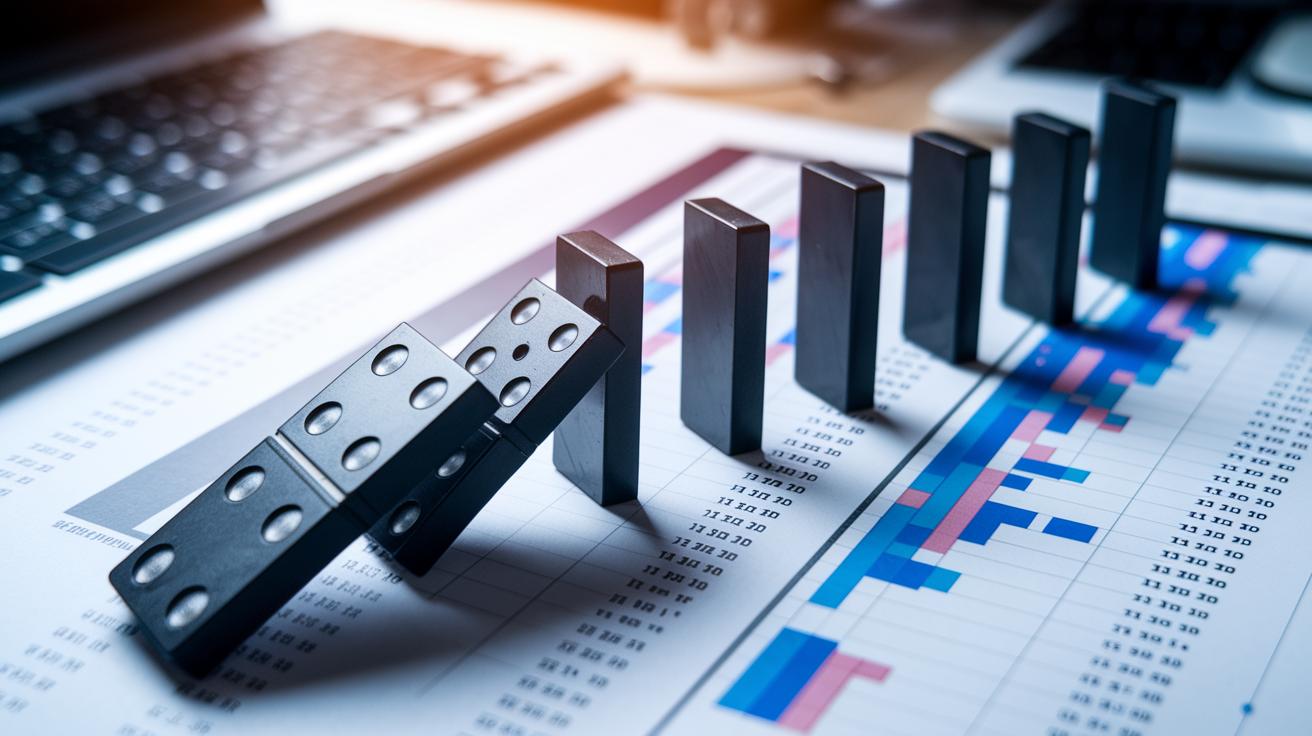
Today's market dip feels a lot like the bubble bursts of the past. Think about the 2008 financial crisis or the dot-com crash, when one part of the market went down, others weren't far behind. For instance, during the dot-com bust, the crash in tech shares quickly sent shockwaves through bonds, stocks, and currencies. It was just like falling dominoes.
History shows us that the same patterns often repeat. Investor fears over high prices and shifts in feeling can trigger a chain reaction that spreads across the globe. A drop in one index can suddenly cause sell-offs in areas that might seem totally unrelated.
Step back and take it in. This isn’t just a random event; it’s part of a larger cycle where market stresses move quickly through interconnected financial networks. Looking at these past crashes helps us see how a shock in one spot can reveal weaknesses throughout the entire system.
Expert Analysis and Forecasted Global Crash Predictions

Market experts are warning us that big dips might be on the horizon. They say major banks and seasoned strategists expect global markets to drop by another 10–15% by the end of the year. Deep dives by top financial institutions show that this risk is shaking up many kinds of investments, which is making people rethink how they spread out their money. Even solid sectors might see sharp falls, and many models hint that this downturn could last longer than first thought.
Short-term ups and downs are likely to stick around as long as worries over rising borrowing costs and ongoing issues in different regions continue to play a role. In simple terms, the usual safe bets are becoming more attractive, and investors are adjusting strategies to handle these tougher times.
Experts advise keeping a close eye on market signals and economic changes. They point out that while the current patterns suggest more drops, market bottoms sometimes pop up when you least expect them, creating little moments of opportunity for those who are careful. For more detailed insights from earlier studies, check out the full report on global markets crash.
Factors like oil prices, shifts in consumer feelings, and changing monetary policies are all stirring the pot. Investors are watching carefully, ready for the next big move.
Investor Behavior, Risk Management and Recovery Analysis

Investors are shifting their strategies as the market changes so fast. Many are moving their money into safer assets like gold and U.S. Treasuries. Think of it like watching a calm river during a storm, those steady banks give a sense of security. When the market dips, people often seek these safe havens, leaving behind riskier investments. It's a common reaction in downturns when fear pushes everyone to find stability.
Meanwhile, actions by central banks also play a big role. They’ve been cutting interest rates and using tools like quantitative easing (a method where banks buy assets to inject money into the economy) to calm things down. These moves lower borrowing costs and ease the strain on businesses. Investors see these steps as signs that recovery might be coming, even if the journey ahead is still bumpy.
Experts say that solid risk management is like a lifeline during uncertain times. A balanced mix of crisis strategies and smart allocation between secure and growth assets can help limit losses. Imagine putting together a balanced meal where every ingredient supports the other. For instance, using hedging techniques like options or municipal bonds can protect your portfolio when the market turns sour. You might even explore some risk management tools for more tips on guarding your investments.
Investors who keep their cool aren’t just hanging on, they’re building a foundation for a steady recovery. With careful financial moves and a keen eye on policy changes, there are clear paths to regain the stability lost during a downturn.
Technical Indicators and Signals in Global Markets Crashing
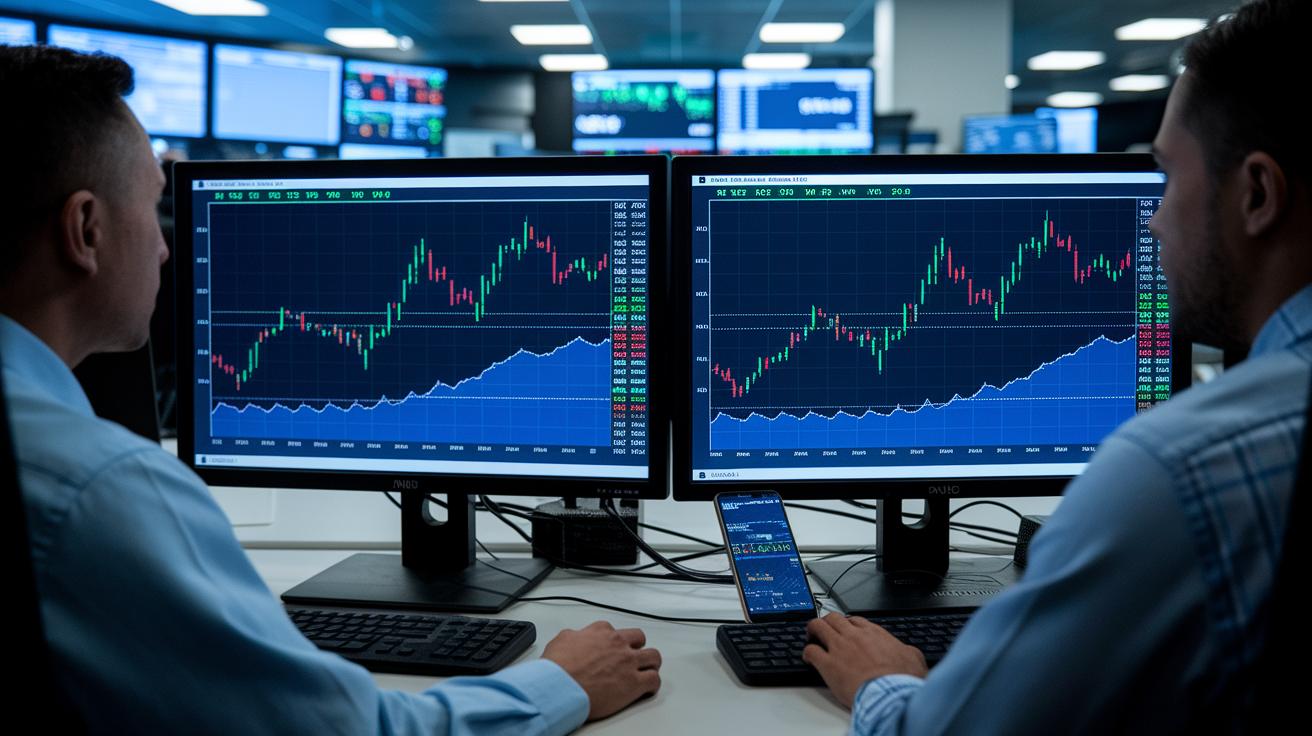
Many traders keep a close eye on global charts, trying to spot early signs of deeper drops or potential bounces. A favorite tool is the RSI oversold level. When the RSI (Relative Strength Index, which measures market strength) falls sharply, say, dropping below 30, it often signals that panic is setting in and that the asset might soon rebound.
Another key hint is the MACD crossover. MACD stands for Moving Average Convergence Divergence, a tool that helps traders see shifts in momentum. When its line dips below the signal line, traders usually get worried. I remember a time during a market dip when a sudden MACD crossover was followed by a rapid recovery, catching many off guard. Plus, when price action slips below important moving averages (averages that show typical price levels), it’s another sign that the market may be shifting.
Unusual volume spikes add to the picture too. A sudden jump in trading volume, especially when prices are falling, shows that trader behavior is changing quickly. And when the usual links between assets start to break down, it’s a cue for extra caution.
- RSI oversold signals
- MACD crossovers
- Moving average breakdowns
- Volume fluctuations
- Correlation anomalies
These signals form a handy toolbox for traders as they keep up with ever-changing market conditions.
Final Words
In the action, today's article walked through live trading updates and key figures that reveal how market shifts unfold. It explained the economic triggers driving the slide and highlighted the role of political tension on global movements. We compared current declines with past downturns while offering expert forecasts and practical risk management techniques. Technical signals and sector performance were broken down to help clarify the broader picture. Keep these insights in mind as you respond to global markets crashing and work toward calmer days ahead.