

Ever wonder if early market signals might totally change your trading day? Global stock market futures give you an early glimpse into what the market might do, like checking your pulse before a big exam.
You might see small dips in U.S. numbers, steady moves from Europe, and mixed signals coming from Asia. Each of these hints sets the stage for what the day could look like.
In this post, we’ll explore these trends to help you understand what might shape the open and how you can get ready for any twists on the trading floor.
Global Stock Markets Futures: Key Premarket Indicators
Premarket Trading October 03 gives us a quick look at global stock market futures and hints about what might happen at the open. U.S. index futures are showing small dips, Dow Jones Futures are down 0.2%, Nasdaq Futures have slipped 0.3%, and S&P 500 Futures are off 0.15%. It’s a bit like checking your pulse before starting the day.
Over in Europe, futures for major indexes like the FTSE 100, DAX, and CAC 40 are trading flat or just a hair lower than before. This steady move suggests that traders are feeling a bit cautious, even though there are slight hints that things might shift soon. Meanwhile, in Asia, indices such as the Nikkei 225 and Hang Seng wrapped up the premarket session with mixed results, showing that market moods can vary from place to place.
Market makers remind us not to jump to conclusions. They say the early quotes only capture the initial pulse at the close of trading and things can change quickly when the market officially kicks off. It’s a nudge to keep a close eye on these trends since they help shape daily updates on global trading sessions.
In short, think of it like reading different signals from a scale: the U.S. shows a slight retreat, Europe hints at minimal changes, and Asia offers a mix. Investors take all these clues into account as they get ready for the opening bell, setting up their strategies for the day ahead and watching out for any intraday swings.
Regional Breakdown of Global Stock Markets Futures
The U.S. index futures are drawing lots of attention these days. Futures contracts for big names like the Dow Jones, Nasdaq, and S&P 500 are buzzing with activity, driven by what’s happening at home and how investors are feeling. Think of these futures as the opening lines of a story that unfolds during the full trading day.
European futures show a different picture. Right now, FTSE 100 futures are around 7,120, dipping just a tiny bit by 0.1%. Meanwhile, DAX futures have nudged up to 16,200 by about 0.05%, and CAC 40 futures are at 7,300, down by 0.2%. It’s a mix of small ups and downs that feels like cautious optimism. It’s like watching someone carefully balance on a tightrope, staying steady despite small hiccups.
Over in Asia, futures bring another interesting twist. Nikkei 225 futures are strong at 28,500, heading up 0.4%, which hints at a positive momentum there. But Hang Seng futures are a bit off at 17,800, sliding by 0.3%. Then there’s the ASX 200 futures, which recently bumped up to 7,550, a 0.2% climb. The differences here show how market moods can vary even among regions that are closely linked.
Emerging markets add their own flavor to the mix. For instance, Brazil’s Bovespa futures have slipped by 0.5%, suggesting a bit of investor hesitation. On the flip side, India’s Sensex futures are up by 0.3%, showing some local strength. These differences remind us that emerging markets sometimes chart their own course, unlike their more established counterparts.
| Region | Index | Price | Change |
|---|---|---|---|
| Europe | FTSE 100 | 7,120 | -0.1% |
| Europe | DAX | 16,200 | +0.05% |
| Europe | CAC 40 | 7,300 | -0.2% |
Market watchers keep a close eye on these differences because each region’s activity hints at where the whole market might be headed through the day.
Technical and Fundamental Drivers of Futures in Global Stock Markets
Index futures are built on the prices of individual stocks weighted by each company's market size. It’s like mixing together the strengths of different companies to capture the market’s overall vibe.
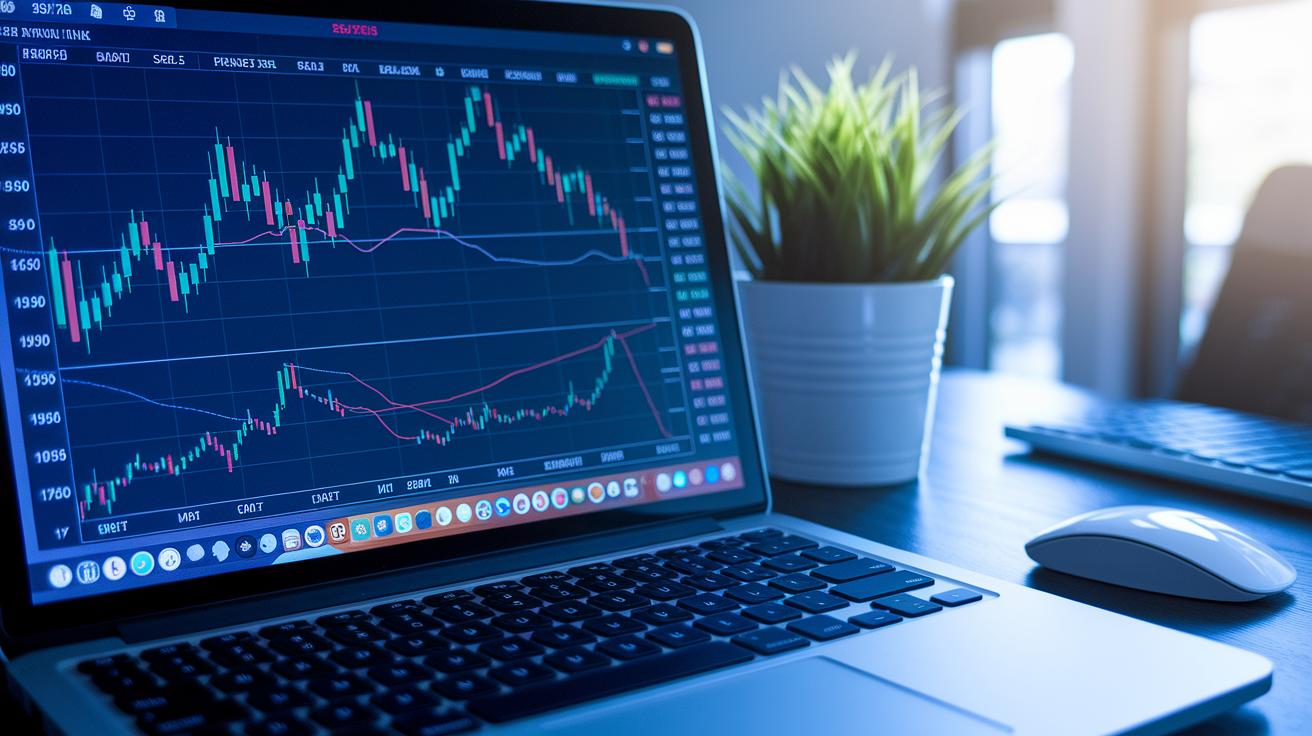
Chart patterns can be little clues about where prices might head next. Recently, S&P 500 futures hit the 50-day moving average support around 4,300. Before settling there, they bounced off a key average, hinting at some potential stability. That small bounce shows how technical levels can shape price trends.
Technical cues also come from tools like the relative strength index (RSI). Nasdaq futures, for example, have an RSI near 55, which means the buying and selling pressures are pretty even. When RSI is neutral, traders might be waiting for another hint before making a move.
On the fundamental side, important data also plays a big role. The latest U.S. nonfarm payrolls report posted 200K new jobs, beating the forecast of 180K. More jobs usually mean a boost in market mood, which can push futures higher. And with big events like the ECB rate decision on Oct 05 and China’s September PMI at 49.8, it’s clear that broader economic data can shift where investors focus.
Mixing these technical and fundamental clues gives traders a full picture of market conditions. Understanding how moving averages, RSI, job reports, and central bank moves interact helps investors catch the market’s pulse and prepare for changes.
Forecast Models and Predictive Analytics for Global Stock Markets Futures
Index futures take prices from individual stocks and weight them by market cap, mixing them into one overall signal, kind of like blending different fruit juices into a single, refreshing drink. World-index quotes feed into forecasting models such as ARIMA, GARCH, and even neural nets (which are computer programs that learn from data to predict what might happen next).
Take, for example, an ARIMA(1,1,1) model applied to S&P 500 futures. It suggests a modest gain of around 0.2% over five trading days, an interesting fact that shows how even a single model can hint at small market shifts, much like predicting a light drizzle before an unexpected shower. And then there are neural nets, which dig into term-structure patterns in Nikkei futures to reveal changes in how traders feel about the market.
These math-based methods help traders get a handle on short-term trends and figure out risks. By mixing several forecasting tools, you end up with a clearer picture of the market’s pulse. Models crunch real-time data, turning every tiny price tick into clues about what might come next.
Traders often lean on these outputs to decide when to jump in or pull out, much like testing strategies in a virtual stock market game before using real money. In the end, using these algorithmic systems lets investors look past today’s prices and get ready for tomorrow, giving them solid insights for making smart trading moves.
Practical Trading Insights and Risk Management for Global Stock Markets Futures
Index futures are not just for exposure; they serve as handy tools to manage risk when markets get bumpy. Many traders balance their positions by, for instance, shorting S&P 500 futures while holding long Nasdaq positions. Think of it like standing on a balancing beam, the counterweights keep you steady, even when the wind picks up.
Another neat approach is using calendar spreads on FTSE futures. This means spreading your trades over different contract months, which helps soften the impact of sudden price changes. It’s much like setting up an extra safety net for your portfolio.
Many traders also put in stop-loss orders on Dow Jones futures, often setting them about 1% below their entry price. This acts as a built-in safety measure to gently nudge you out of a trade if things turn unexpectedly.
Diversification plays a big role too. Spreading investments across U.S., European, and Asian markets reduces the chance of one market hurting your whole portfolio. It’s a simple way to keep things balanced and lower overall risk.
Some traders even try out these strategies through paper trading, essentially practicing in a simulated environment without using real money, before they commit for real.
Overall, by mixing calendar spreads, stop-loss orders, and cross-market strategies, you can create a solid plan to manage risks in global stock market futures. This means staying flexible and ready to adjust as market conditions change, all while keeping your exposure in check.
Final Words
In the action, the article covers premarket signals, a regional look at futures, and key technical and fundamental drivers behind market moves.
It reviews forecast models while sharing practical tips and risk management strategies in today’s trading climate.
Each section shows how data and real-time quotes shape smart trading moves in global stock markets futures.
This blend of clear insights and hands-on tactics leaves you ready to step into the day with renewed optimism and a smart outlook.
FAQ
What do global stock markets futures for tomorrow indicate?
Global stock markets futures for tomorrow show early sentiment for the upcoming session. They help traders set expectations by revealing trends in major U.S., European, and Asian indexes before the open.
What do global stock markets futures today show?
Global stock markets futures today reflect real-time premarket movements that signal market mood. This data gives quick insights into how U.S., European, and Asian indexes might perform once trading starts.
What information does a live global stock markets futures chart provide?
Live global stock markets futures charts offer immediate updates on price movements and trends. They help traders monitor index shifts in real time, guiding adjustments to trading strategies during the session.
How can I view global stock markets futures on Yahoo?
Global stock markets futures on Yahoo are displayed through dynamic charts and updated figures. These visuals make it easy to track trends and gauge market conditions with a simple online glance.
Where can I watch analysis of global stock markets futures on CNN?
CNN presents global stock markets futures through news segments and expert analysis. Their coverage offers clear overviews and insightful commentary on movements across major U.S., European, and Asian indexes.
What do stock futures for Monday tell traders?
Stock futures for Monday indicate expected market sentiment from the overnight data. They serve as an early hint of potential opening trends, allowing traders to adjust their strategies before the market opens.