


Have you ever wondered how companies turn their own cash into a trading strength? They use a method called proprietary trading, where firms invest their own money in the market. It’s like a trader scoring big wins while the company shares in the gains, so everyone benefits. These firms rely on clear, step-by-step strategies and carefully measured risks to boost their capital. Today, we’re diving into how using personal funds can enhance market performance and fuel profit-sharing that really drives growth.
Proprietary Trading Explained: Definition and Core Principles
Proprietary trading is when a company uses its own money to make trades instead of risking anyone’s personal cash. Traders buy and sell things like stocks, options, futures, and contracts-for-difference (CFDs, which are agreements to exchange differences in asset prices) to help the firm earn money. Imagine a trader making $100,000 in profit. With a 40/60 split, the trader pockets $40,000 while the company keeps $60,000. This split encourages traders to do well while the firm handles most of the risk.
How the trading capital is divided depends on things like the trader’s experience, past performance, and comfort with risk. Experienced traders who’ve shown they can handle market ups and downs usually get more money to trade with, while newcomers start with smaller amounts. Think of it like a pilot slowly earning the right to fly longer and more challenging routes after mastering the basics of takeoff and landing.
Unlike hedge funds that use money from outside investors or bank desks that manage client accounts, proprietary trading puts the firm’s own funds to work. This strategy might involve quick, short-term bets or holding positions longer to catch subtle market trends.
The key ingredients here are careful risk management, a system that rewards performance with the right amount of capital, and clear profit-sharing rules. Together, these elements create a unique model that fuels growth by combining the firm’s money with the expertise of its traders.
Proprietary Trading Firm Models and Structures

Proprietary trading firms come in three main flavors: discretionary, high-frequency, and algorithmic. In discretionary firms, experienced traders use their own judgment to make market moves with the firm's money. High-frequency setups focus on super-fast tech that places many trades in just seconds, while algorithmic firms use computer programs to sift through huge volumes of market data and automatically set orders.
Many firms also run capital allocation programs that let you trade live without an upfront fee, keeping as much as 90% of your profits. Your track record, results during stressful tests, and key risk measurements determine how much capital you get. Each firm has its own mix of risk limits, tech support, and the level of freedom you enjoy.
These firms rely on strong internal trading systems to craft clear profit-sharing plans. They reward solid performance while keeping risk in check. Succeeding here means using the firm’s tools smartly, sticking to risk guidelines, and showing you can perform reliably, even when things get tough.
This model lets traders focus on strategy without worrying about risking their own money. By creating a structured but flexible setup, firms promote careful, disciplined trading while always looking to improve. In the end, it’s all about smart risk controls and rewards that build teams ready to take on competitive markets.
Proprietary Trading Strategies and Tactics
Traders working with their own funds use a mix of tactics to boost their game. One popular method is directional trading, where they bet on the market moving up or down. Imagine a trader predicting that a stock will shoot up, then reaping the rewards as it breaks past its old high.
Another key tactic is market-making. Here, traders place buy and sell orders at the same time, hoping to pocket small gains as prices shift slightly. It’s kind of like walking a tightrope, where every little step counts.
Then there’s algorithmic trading. This method uses computer systems to test ideas with past market data and adjust settings automatically. Think of it as having a digital assistant that watches the rapid pulse of real-time data and responds quicker than any human could.
High-frequency trading takes things even further. These strategies depend on ultra-fast order systems and constant market monitoring to grab quick opportunities. Picture algorithms making hundreds of trades in seconds, each one adding up to a nice sum.
- Directional trading: betting on market trends
- Market-making: using bid-offer spreads for small profits
- Algorithmic trading: relying on backtested signals
- High-frequency trading: using fast order routing and live data
These approaches blend gut feel with smart tech, letting traders react to market shifts in real time and build strong capital over time.
Risk Management in Proprietary Trading
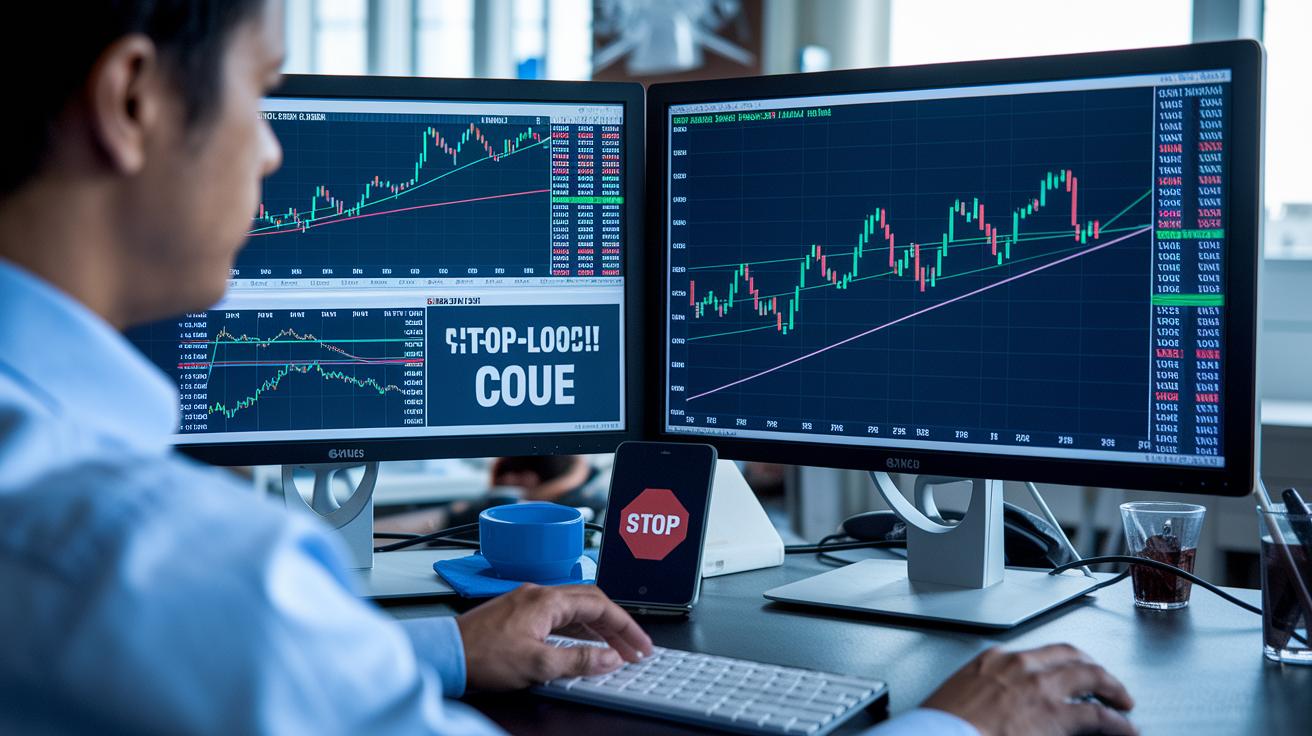
Proprietary trading firms are very careful about handling risk. They use smart, system-based rules together with a constant watch on the markets to keep things safe. One simple approach is the stop-loss order. That means a trader sets a trigger price (usually well below the purchase price) to limit losses if things don’t go as planned, a bit like having a safety net ready to catch you during a fall.
Another key tactic is to control the size of each trade. By capping the amount of money exposed in any single deal, a trader can keep losses small even when the market is jumpy. And of course, diversifying your trades is crucial. By spreading your investments across shares, futures, and options, you lower the risk of one market’s rough patch impacting your whole portfolio.
Firms also use live, real-time dashboards to keep an eye on every position. This immediate view of market data makes it easier to spot a problem quickly and adjust as needed. Even when the market is choppy, strategies like staggered order execution help ensure that trades are carried out smoothly without sudden price gaps.
| Tool | Benefit |
|---|---|
| Stop-loss orders | Quickly cuts losses before they get too big |
| Position Limits | Keeps risk exposure under control |
| Diversification | Spreads risk across different markets |
| Live Dashboards | Allows real-time tracking and fast issue detection |
These risk controls create a safety net that not only supports traders but also helps maintain overall capital stability. It’s all about balancing smart planning with quick action, a strategy that lets traders tackle the market with confidence.
Regulatory Considerations in Proprietary Trading
Prop trading rules can be confusing because different regulators see things differently. Some consider high-speed algorithm trades as prop trading, while others don't, which creates mixed rules that affect firms and traders. This means prop firms often have to change their compliance processes just to keep up.
Many firms are now moving to online trading platforms that come with built-in tools for watching trade data in real time. These systems help them meet capital rules and stick to transparency standards more easily. At the same time, strict oversight guidelines demand clear records of every trade, careful management of internal funds, and detailed reports on risk exposure. Getting ready for audits and keeping up with these updates has become a big part of the business.
So, the challenge isn’t just about making trades, it’s also about following a web of complex rules that protect market fairness and help avoid financial mistakes.
Have you ever noticed how a small shift in guidelines can change a firm’s entire approach almost overnight?
Technology Innovations in Proprietary Trading

Today’s prop trading mixes fast automation with clear, data-backed insight. Traders rely on high-tech software and custom-built, low-latency hardware to place orders almost as quickly as taking a snapshot of a fleeting moment. These automated systems let traders act in the blink of an eye, optimizing every fill like capturing the perfect photo.
Machine learning brings a whole new level of performance. It sifts through market chatter using simple sentiment analysis, builds easy-to-understand predictive models, and creates alerts for key opportunities, sort of like having a dedicated expert who never sleeps. These smart tools suggest when to buy or sell and adjust in near real time, much like having an always-on personal assistant who’s one step ahead.
Integrated development platforms tie it all together by offering clear performance dashboards and backtesting tools. Imagine a control panel that lays out your trade moves and reviews past decisions to help guide future actions. Combining smart automation with accessible analytics helps traders make more accurate, efficient decisions in today’s rapidly changing market.
Proprietary Trading Careers and Compensation
Proprietary trading companies set up clear tracks for newcomers. In these firms, roles like junior trader, quantitative analyst, and desk support specialist give fresh talent a chance to show off their trading skills, learn about risk management (how to handle losses and gains safely), and build a personal record of profits and losses. For instance, you might quickly ace a tricky math puzzle that immediately grabs a recruiter’s attention.
Pay in these firms is mostly based on how well you do. Many firms use profit splits, like a common 40/60 split, which means you earn a share of the profits you create. Some firms also give a small base stipend to help with financial stability while you grow. In other words, if you master the market, stick to risk rules, and keep a steady profit record, you can move up quickly. Recruiters look for strong math skills, a good understanding of finance, and the ability to solve challenges like tough probability puzzles.
Each smart trade and careful decision with risk management opens the door to trading with more money. Whether you’re just starting out or already on the way up, every role is a step toward a rewarding trading career. Over time, as your skills and profits improve, you can enjoy even better profit-sharing terms.
Emerging Trends and Future Outlook for Proprietary Trading

Proprietary trading is charging ahead at a fast pace. Firms are now designing trader programs that feel more like exciting multi-step challenges. Picture a trader checking out a live dashboard that shows their progress at each level, each new milestone nudges them to hone their skills even more.
And then there’s the digital shift. Many firms are moving away from old systems to embrace new in-house platforms that deliver updates quicker and offer sharper data insights. In simple terms, this means they can quickly spot fresh opportunities in markets around the world, imagine upgrading from an old flip phone to a smart, speedy device.
Regulatory twists? They’re part of the game too. Firms are reworking their risk plans, keeping a close eye on market changes, and tweaking their compliance methods. This mix of the latest tech, hands-on training, and flexible business strategies is setting the stage for a lively future in proprietary trading. It’s all about continuous learning and staying nimble to turn challenges into success.
Final Words
In the action, we broke down the essentials of proprietary trading, from understanding the core principles and firm structures to exploring various trading strategies and risk control systems. We also touched on how technology is reshaping the field and looked at career paths in this fast-paced market.
These insights make it easier for you to grasp the nuances of proprietary trading. Stay confident and keep applying these lessons as you continue to build a solid, informed approach to the markets.
FAQ
What are proprietary trading firms?
The term proprietary trading firms refers to companies that trade using their own capital to profit from market movements instead of risking personal funds.
What is an example of proprietary trading?
An example of proprietary trading is when a trader uses firm capital to buy options and shares and later splits the profits with the firm, often following a predetermined percentage split.
What insights does Reddit offer on proprietary trading?
The discussions on Reddit highlight a mix of experiences, from sharing trade tactics in niche markets to offering advice on profit-sharing structures and career strategies in proprietary trading.
What career opportunities do proprietary trading jobs offer?
The career opportunities in proprietary trading range from junior trader roles to quantitative analyst positions, often featuring profit-split pay models and hands-on market exposure.
Where can I find a list of proprietary trading firms?
A list of proprietary trading firms includes various companies that use their capital for market trading, and such lists are commonly available through financial industry resources and career websites.
How is proprietary trading salary determined?
The proprietary trading salary typically depends on profit-sharing structures and performance metrics, where traders earn a percentage of the profits they help generate for the firm.
How does proprietary trading differ from principal trading?
Proprietary trading differs from principal trading in that proprietary firms trade using their own funds, while principal trading involves buying and selling assets on behalf of clients or as part of a broader banking service.
What strategies are common in proprietary trading?
The strategies in proprietary trading include directional betting on market moves, market-making via bid-offer spreads, and systematic, algorithm-based trading methods that can span short or long positions.
Why might someone think proprietary trading is illegal?
The notion that proprietary trading is illegal comes from misunderstandings around regulatory policies, though most proprietary trading activities are legal when subject to proper licensing and oversight.
Is proprietary trading risky?
The risk in proprietary trading arises from market volatility and rapid decision-making, yet firms manage risk using stop-loss orders, strict capital allocation, and real-time position monitoring.
How do proprietary traders make money?
Proprietary traders make money by using firm capital to take market positions, and then they earn a portion of the profits generated, typically through a profit-sharing agreement with the firm.
Is a career in proprietary trading a good choice?
A career in proprietary trading can be rewarding with high earning potential and dynamic market exposure, though it requires strong analytical skills and a keen appetite for measured risk.