

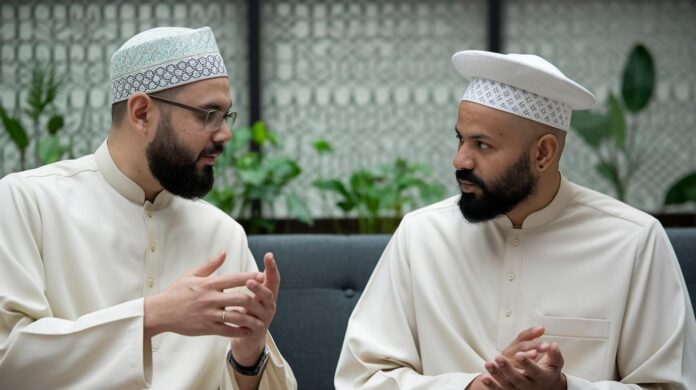
Have you ever wondered if a money system without interest could make managing your cash feel a bit fairer and safer? Islamic finance offers a different take. Instead of charging interest, it shares both the risks and the rewards with everyone involved, making sure each deal has real assets behind it.
It follows Sharia law, rules grounded in fairness and ethical values, that help keep the market stable. Recent numbers back this up, showing billions invested in this unique way of handling money.
Today, let's dive into how clear academic ideas transform age-old rules into a practical tool for smart, modern investing.
Understanding Islamic Finance Fundamentals
Islamic finance follows Sharia law, a set of rules that guide fair and responsible money practices. Unlike regular banks that mostly rely on interest on loans, this system prefers sharing both risks and rewards. It’s like two friends pooling their money to build something together, sharing the good times and the bad. Every deal is backed by real assets, keeping your investments solid and tangible.
In 2024, the Islamic finance world hit nearly US$4 trillion in value. Over 1,600 specialized institutions helped steer this growth, with Islamic banks holding about 70% of that total, roughly US$2.7 trillion. The industry saw a yearly boost of almost 15%, and experts now believe it could reach nearly US$6 trillion by 2026. It’s like watching a strong tide rise, each wave built on solid, ethical finance principles.
Islamic finance stands out because it strictly avoids charging or paying interest (riba), making each investment inherently ethical. Instead, both sides in a deal share the risks and rewards equally. Every transaction is tied to tangible assets, much like building a house brick by brick. This structure not only creates stability but also matches the values of many investors who are looking for a balanced and responsible approach to managing money.
Islamic Finance: Academic Clarity on Core Principles

Islamic finance follows rules set by Sharia law, which means it doesn't allow interest, heavy uncertainty, or gambling. Many scholars believe these rules help keep financial systems steady by cutting out risky, speculative moves. Research even shows that when deals are backed by real assets, markets tend to avoid the dangerous hype seen in bubbles.
Risk-sharing methods like Mudarabah and Musharakah add a unique twist to these principles. In Mudarabah, profits get split between the person who supplies the money and the one who manages the project, clearly defining each role. Musharakah, on the other hand, means everyone puts in money and shares both the rewards and the risks. These ideas have been tweaked in different regions, often sparking growth in local businesses.
Another key point is that every deal has to be linked to a tangible asset. This rule makes sure that every financial move is backed by something real, much like building a house brick by brick. It’s a way to keep investments grounded in real economic activity while supporting community development.
Key Islamic Finance Instruments: Sukuk, Takaful, and Interest-Free Loans
The rising need for Sharia-compliant products has sparked a whole range of ethical finance options. Investors today are drawn to solutions like sukuk, takaful, and interest-free loans that blend strong asset backing with moral principles. Take the Oman green sukuk, for instance, it was oversubscribed by 2.8 times, showing just how much people value both security and ethical investing.
Sukuk works a lot like traditional bonds but carefully avoids any form of interest to stay true to Sharia law. Each sukuk is tied to a real asset, meaning it supports an actual project or property. Recently, there have been moves like Saudi Sukuk Murabahah offerings on digital platforms, showing that modern tech can boost Islamic finance. You also see examples from Indonesia, a social sukuk valued at about US$60.17 million, and Turkey, which auctioned lease certificates worth roughly US$3.57 million. These cases highlight how asset-backed contracts can provide secure financing while honoring religious values.
Takaful is another fascinating model, it’s a cooperative type of insurance where everyone chips in to cover risks. Instead of dealing with a typical insurance company, members pool resources and share both profits and losses. This friendly, community-based system has built up billions in managed assets worldwide, strengthening trust and support among its users.
Then there are interest-free loans like Murabaha and Ijarah that offer smart alternatives for buying a home or a car. With Murabaha, the seller openly shares the cost and adds a fixed profit margin, ensuring clear and honest deals. Ijarah works more like a lease-to-own plan, making it easier for folks to access assets such as vehicles or equipment without worrying about interest charges.
| Instrument | Description | 2023 Market Volume |
|---|---|---|
| Sukuk | Asset-based bonds | US$250 billion |
| Takaful | Sharia cooperative insurance | US$75 billion |
| Murabaha Loans | Interest-free cost-plus credit | US$180 billion |
Comparative Insights: Islamic vs Conventional Finance

Islamic finance is built on sharing risk instead of passing it all along. In this system, both the investor and the service provider share profits and losses. It’s like splitting a pie together rather than one side charging you extra fees for borrowing money. Instead of getting into uncertain deals (called gharar in Islamic terms), Islamic finance sticks to real, tangible assets. Meanwhile, conventional banks often use methods like derivative trading to try to boost returns, which can sometimes lead to more ups and downs in the market.
When times get tough, Islamic finance tends to hold strong. Even if profits grow slowly, depositors feel safe, as seen in places like Bangladeshi banking where deposits grow at a steady, balanced pace. The focus on ethical practices and social fairness helps build systems that support communities and cushion against drastic market swings. With Islamic banks controlling about 70% of market assets in some regions, their emphasis on shared risk and asset-backed deals offers a more stable option compared to the boom and bust swings seen in traditional finance. This approach builds a financial system that people trust, even during downturns.
Islamic Finance in the US: Adoption, Products, and Compliance
Recent changes in regulations have given Islamic finance in America a fresh boost. Federal bodies like the OCC and new state-level decisions now let banks create products that stick to both Sharia rules and US financial standards. This means banks can offer these products with confidence, keeping their ethical commitment intact.
Regulatory Framework
US banks now have to follow two sets of rules. They need to meet federal guidelines as well as state-specific ones. To help with this, many banks have added Sharia supervisory boards. These boards check that every product, from home financing to other services, meets Islamic principles, ensuring fairness and clear communication in every deal.
Many banks are now offering options like Islamic home mortgages structured with diminishing Musharakah and Murabaha auto loans designed especially for Muslim consumers. Even halal deposit accounts have made an appearance. Several customers have mentioned that switching from regular products felt like finally finding a clear and fair way to handle their money.
New fintech startups are also stepping in, launching Sharia-compliant mobile banking solutions that are easy to use. You might have seen these on platforms like the "Digital Finance Adoption" portal. This trend shows that ethical and transparent finance is only set to grow as more people look for fair financial tools.
Final Words
In the action, we reviewed the core ideas behind financial practices based on Sharia principles. We examined definitions, key products, and market trends with clear numbers.
Our discussion bridged traditional banking and ethical systems, highlighting unique offerings like Sukuk and Takaful while explaining risk-sharing methods. The rise of islamic finance in the US added another interesting layer, emphasizing ethical investment and resilient growth.
Stay positive and keep exploring the vibrant world of ethical finance.
FAQ
What is the concept of Islamic finance?
The concept of Islamic finance means financial practices follow Sharia rules, promoting risk-sharing, ethical investment, and asset backing. This method replaces interest with profit-loss sharing to support fair and responsible banking.
Do Muslims get 0% interest?
The idea that Muslims get 0% interest reflects Islamic finance’s prohibition on riba. Instead of fixed interest, loans use profit-sharing methods, ensuring an ethical and equitable financial transaction.
What is the 30% rule in Islamic finance?
The 30% rule in Islamic finance means ensuring that at least 30% of financing is backed by tangible assets. This requirement promotes transparency, ethical risk-sharing, and compliance with Sharia mandates.
What are the major types of Islamic finance?
The major types of Islamic finance include instruments such as Sukuk, Takaful, and interest-free loans like Murabahah, alongside profit-and-loss sharing models like Mudarabah and Musharakah, each built on ethical and asset-backed foundations.
What are Islamic finance loans?
Islamic finance loans refer to funding options structured without interest, using cost-plus or profit-sharing agreements like Murabahah, ensuring that ethical standards and asset backing guide every transaction.
What defines an Islamic finance bank?
An Islamic finance bank operates under Sharia rules by offering financial products that avoid interest and instead utilize profit-sharing and asset-backed methods, delivering ethical financial solutions that meet community and social goals.
What resources are available for learning Islamic finance?
Resources for learning Islamic finance include online courses, accredited degrees, specialized books, downloadable PDFs, and active community dialogues on platforms like Reddit, providing accessible insights into Sharia-compliant finance.