


Have you ever thought that smart investing might change your financial future? Value investing courses can help you uncover hidden opportunities and set you up for long-term success.
These courses work like a friendly roadmap. They range from free, easy guides that explain the basics in everyday language to live, interactive classes where experts share real-time insights.
They’re here to boost your confidence when making financial decisions. So, are you ready to find the value investing course that fits your style and lights up your financial journey?
Comprehensive Overview of Value Investing Course Options

There are plenty of value investing courses out there to match any learning style or level of experience. Whether you’re just starting out or have years of market experience under your belt, you can find a course that fits your needs. Some of these courses are available for free online, giving beginners a friendly, step-by-step model to learn the basics, like what value investing really means. And then there are courses that cost money, offering deeper insights, live interaction, and even professional certificates. They come in many forms, from easy self-paced modules to fast-paced boot camps, and even in-person classes designed for busy professionals.
These programs range from simple introductions that teach you how to pick stocks to advanced certificates that mix modern number-crunching techniques with exclusive research tools. It’s a neat mix that suits everyone, whether you’re dipping your toes into investing or refining years of practice.
| Course Name | Duration | Cost | Experience Level | Extras |
|---|---|---|---|---|
| Value Investing Masterclass | 25 lessons | Free | Beginner | Step-by-step model, 12,500+ students |
| Coursera Value Investing Strategies | 3 weeks | Free | Beginner | |
| Udemy Introductory Value Investing Program | Self-paced | Free trial | Beginner | |
| Wharton Applied Value Investing Certificate | 8 weeks | Paid | Professional | |
| NYIF Value Investing Quant Strategies | Varies | Paid | Advanced |
Free courses are a great way to get started because they break down the fundamentals without any cost, making them perfect if you’re not ready to commit financially. On
In-Depth Value Investing Course Curriculum Breakdown

Many courses hinge on core value investing ideas that help you dig deep into what really makes a company valuable. Instead of chasing quick trends, you learn to see a company's true worth by looking at its basic traits. In the class, you’ll learn to sift through market data, understand economic ups and downs, and build your own set of practical, time-tested investment rules. For example, essential readings like the books on value investing guide you through history with clear examples and simple theories.
Analytical techniques form a big part of the learning process. You get step-by-step lessons on reading financial statements, doing DCF valuations (that’s a way to guess a company’s current value by looking at its future cash, in simple terms, it shows how much money a company might make later), and figuring out a margin of safety. In other words, you learn to buy stocks when they’re priced far less than what they’re really worth. With hands-on exercises like breaking down balance sheets or working out a company’s intrinsic value, these lessons help you turn complex numbers into everyday investment choices.
| Program | Duration | Weekly Hours | Credits |
|---|---|---|---|
| Wharton Applied Value Investing Certificate | 8 weeks | 8–10 hrs | 65 CPE |
| NYIF Value Investing Quant Strategies | Varies | Variable | N/A |
| Columbia Value Investing Executive Education | 9 weeks | 8–10 hrs | N/A |
| Udemy Value Investing Bootcamp | Self-paced | Variable | N/A |
You also get to explore elective modules that broaden your horizons. These extra lessons cover topics like behavioral finance (understanding how our feelings and decisions shape our investments) and ESG investing (which looks at how environmental, social, and governance factors play a role in the market). These modules add a fun mix to the curriculum and prepare you to form solid, research-backed investment plans that fit today’s world.
Comparing the Best Value Investing Courses and Providers

Looking for a value investing course that offers a fresh perspective? Here are some unique programs that stand apart from the usual offerings.
Stanford BUS 133 is a top-tier, executive course that runs for 10 weeks. It comes at a premium price and is geared toward seasoned investors who want to dig deep into market strategies. It might be just what you need if you're ready to elevate your investing game.
Harvard Legendary Investor Seminars offer an immersive experience for experienced market players. Although these sessions come with a higher cost and vary in length, they provide in-depth insights for those who have already mastered the basics and are looking for more refined strategies.
Then there’s Safal Niveshak Mastermind, a flexible, self-paced course that won’t break the bank. With an open timeframe and regular updates, this course is perfect for beginners and intermediate learners alike who appreciate learning at their own speed.
In the end, the best choice depends on whether you're after the intense focus of an executive format or the comfortable pace of a self-driven program. Which style suits your investing journey best?
Profiles of Value Investing Course Instructors and Their Expertise
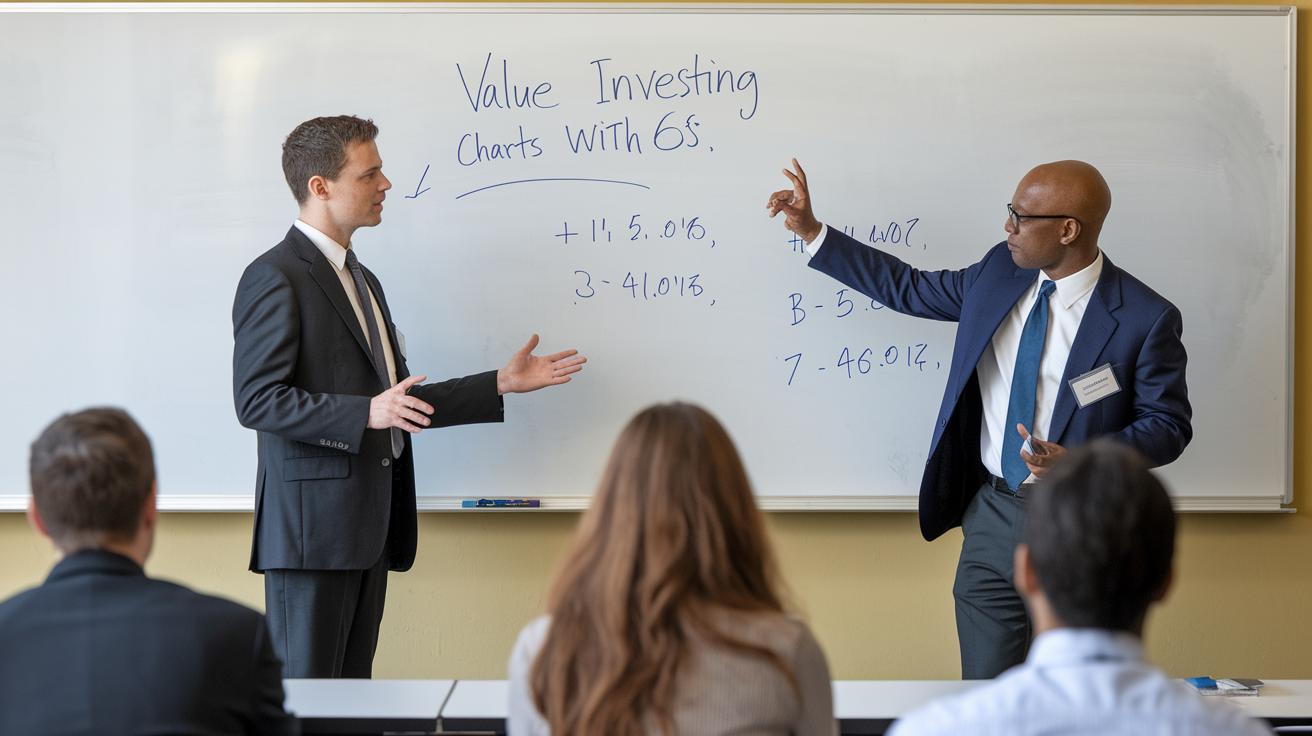
When you explore top value investing courses, you'll find a teaching team that's as varied as it is impressive. You'll meet Wharton professors who’ve spent time in hedge funds, giving you real, hands-on insights into how the market really works. At NYIF, quantitative analysts bring a fresh, data-driven twist to classic investing ideas, making even the old school feel new and exciting.
Columbia's respected professors remind us of the time-tested lessons from Graham and Dodd, while a Stanford industry expert, managing over $1 billion, shares bold, practical strategies straight from the market floor. And many courses feature mentors from Safal Niveshak, who lead a vibrant community of learners, sharing lessons drawn from actual global investing experiences.
The courses come alive with interactive, engaging lessons. Instructors use detailed case studies, live Q&A sessions, and lively peer discussions to break down even the trickiest concepts. They encourage you to dive into real-time market scenarios, ask those tricky questions, and share your own insights. This hands-on approach not only clears up complex strategies but also creates a friendly and supportive space where learning and real-world practice go hand in hand.
Enrollment Logistics: Formats, Costs, and Time Commitments for Value Investing Courses

Value investing courses come in all shapes and sizes, tailored to fit your study style and budget. You can pick a self-paced online program if you need flexibility, or join a set schedule with weekly virtual sessions that require about 8–10 hours each week. There are even free courses on sites like Coursera, Great Learning, and Udemy that let you try things out without spending a dime. And if you’re ready to invest more, premium courses from places like Wharton and Safal Niveshak offer a deeper, more hands-on experience.
Course fees vary a lot. Free courses might last about three weeks and give you a basic look at value investing, while paid options can cost anywhere from $500 to $3,000. These pricier courses often feature instructor-led lessons and might mix online and in-person sessions over 8 to 9 weeks. That means you can choose a course that fits your budget and the time you have available, whether you prefer a flexible, self-paced module or a structured program.
| Course | Format | Cost | Duration | Weekly Hours |
|---|---|---|---|---|
| Coursera Value Investing Strategies | Virtual | Free | 3 weeks | ~5 hrs |
| Great Learning Intro to Value Investing | Virtual | Free | 3 weeks | ~6 hrs |
| Udemy Introductory Value Investing Program | Self-paced | Free trial | Self-paced | Varies |
| Wharton Applied Value Investing Certificate | Virtual/In-person | $2,500 | 8 weeks | 8–10 hrs |
| Safal Niveshak Value Investing Mastermind | Self-paced | ~$500 | Self-paced | Varies |
Before signing up, make sure you have a basic grasp of key investing ideas and a reliable computer with steady internet. And if you want to level up your skills even more, you might consider an optional financial modeling certification at https://ontheblockchains.com?p=1447.
Value Investing Course Reviews, Ratings, and Certification Outcomes

Student reviews come from trusted sources, giving us a clear picture of each course. For instance, the Masterclass scores a solid 4.5 stars from many participants. Coursera’s course earns a neat 4.2 rating based on over 2,000 reviews. And then there’s the Udemy Bootcamp, which impresses with a 4.6 rating. These numbers help you see what to expect and show that many users trust these courses.
Learners appreciate that the courses provide a clear roadmap and practical lessons. People often mention how the structured paths, real-world case studies, and hands-on exercises make it easy to turn theory into real investment moves. Sure, some say that a few parts might feel a bit slow or seem a bit outdated, but overall, the mix of solid teaching and practical tips wins most of the praise.
Certification outcomes add even more value. Many programs offer official certificates, award continuing education credits (CPE), and help boost skills that can improve your portfolio and career. These credentials prove you’ve got a firm grasp on investment ideas and can show off a research-backed approach to the market.
Hands-On Case Studies and Exercises in Value Investing Training

When you're learning how to invest for the long haul, getting your hands dirty with real exercises really makes a difference. These practical activities help boost your skills and confidence, letting you see how valuation methods and risk analysis work in real-time. Instead of just repeating the basics, you get to explore different angles and strategies that make every investment choice count. For example, a simulated DCF valuation can highlight hidden gems about a company’s future cash flows, almost like spotting a turning point on a growth journey.
These exercises aren’t just routine drills, they push you to think critically about your strategies in live market conditions. They invite you to mix analytical methods with insights on how human behavior affects market values. In essence, you’re not just learning theory; you’re actively shaping a stronger, smarter approach to investing.
- DCF Valuation Projects – Objective: Figure out the real worth of a company by predicting its future cash flows – Duration: 2-3 hours
- Margin of Safety Analysis – Objective: Find stocks selling for much less than their real value – Duration: 1-2 hours
- Real-World Stock Screening Simulations – Objective: Use current market data to spot undervalued companies – Duration: 90 minutes
- Behavioral Finance Role-Plays – Objective: See how investor moods can sway financial choices – Duration: 1 hour
Each activity is crafted to deepen your market insight while sharpening your investment strategy, giving you the real skills needed for lasting financial growth.
Selecting the Right Value Investing Course for Your Goals

Start by checking where you stand in your investing journey. If you’re new to value investing, a beginner or free course might be the best start. These courses cover the basics, like reading financial statements and understanding safe buying practices, without overloading you with too many details.
If you already have some experience, you might want a course that digs a bit deeper. These classes offer more insights and extra context to help fine-tune your strategies. It’s like moving from a simple recipe to experimenting with new flavors in your favorite dish.
Think about your goals as you compare different courses. Many intermediate learners enjoy certificate courses that offer CPE credits and practical tips on building a portfolio and managing risk. They blend essential lessons with hands-on tools, making learning both fun and useful.
For the advanced investor, there are special courses that tackle topics like data-driven techniques, sustainable investing, and even parts on managing risk. These challenging sessions push you to develop your expertise further while offering practical strategies you can apply right away.
Before making any decision, create a checklist of what matters most to you, cost, time commitment, depth of content, and certification options. Ask yourself, “Does this course line up with my goals and fit my budget and busy schedule?” This simple approach can help you find the course that truly supports your long-term investing plans.
Final Words
In the action, we covered a broad range of course options, from free lessons to executive education, with detailed comparisons of instructor expertise, hands-on exercises, and enrollment logistics.
We broke down course formats, costs, and time commitments while shining a light on what makes each course unique.
This review is a friendly guide meant to boost your understanding and help you pick a value investing course to build confidence and grow your market skills.
FAQ
What are some free value investing courses?
Free value investing courses include a 25-lesson masterclass with over 12,500 students, offering clear steps and practical guidance—all designed to build your confidence without a cost.
How do value investing courses online work?
Online value investing courses provide self-paced modules and live sessions, using interactive tools and real-world examples so you can learn at your own speed from anywhere.
What value investing course is suitable for beginners?
Courses for beginners break down the basics of stock picking and valuation into simple, clear lessons, making it easy for you to start investing and build a solid foundation.
What does an applied value investing certificate program include?
An applied value investing certificate program combines theoretical insights with practical exercises like cash flow analysis and margin of safety evaluations, ensuring you gain real-world skills.
What does the Columbia value investing course offer?
The Columbia course revisits classic investment principles while updating them with modern techniques, providing a robust executive education experience in value investing.
Which course is considered the best value investing course?
The best value investing courses merge in-depth content with interactive learning, with top picks from institutions like Wharton, Columbia, and Stanford earning high marks for quality.
What insights are shared about the UCLA Value Investing Concentration on Reddit?
Reddit discussions highlight positive feedback for UCLA’s concentration, noting its clear explanations and practical approach that many students find both engaging and useful.
What does the applied value investing program at Wharton entail?
Wharton’s program spans 8 weeks, offering course credits while blending academic theory with hands-on exercises to give you a thorough understanding of proven investment methods.
Why do some claim that value investing is dead?
Some argue value investing is outdated due to fast-paced market changes, yet many still believe fundamental analysis remains useful when updated with modern data and techniques.
How can I begin my value investing journey?
Begin by exploring basic free online courses and practice key skills like stock screening; gradually, hands-on exercises and small investments help you build confidence and experience.
Where can one find the best resources to learn value investing?
Top learning sources for value investing include online masterclasses, courses on Coursera and Udemy, and specialized programs from leading institutions that offer in-depth, practical training.
What does the 7% rule in investing refer to?
The 7% rule typically serves as a benchmark for expected annual returns, helping investors gauge performance, though its application may vary based on market conditions and strategies.