

Have you ever wondered if global markets really follow a set plan? Some folks think it's impossible to predict their twists and turns. But experts use past numbers and live data to find hints about what might happen next. It's like reading a diary where past pages show clues about tomorrow's pages.
In this post, we'll chat about how clever forecasting tools can help guide us through the maze of global finance. They shine a light on future trends, offering a hopeful look ahead that anyone can understand.
Forecasting Tools and Techniques to Anticipate Global Market Trends
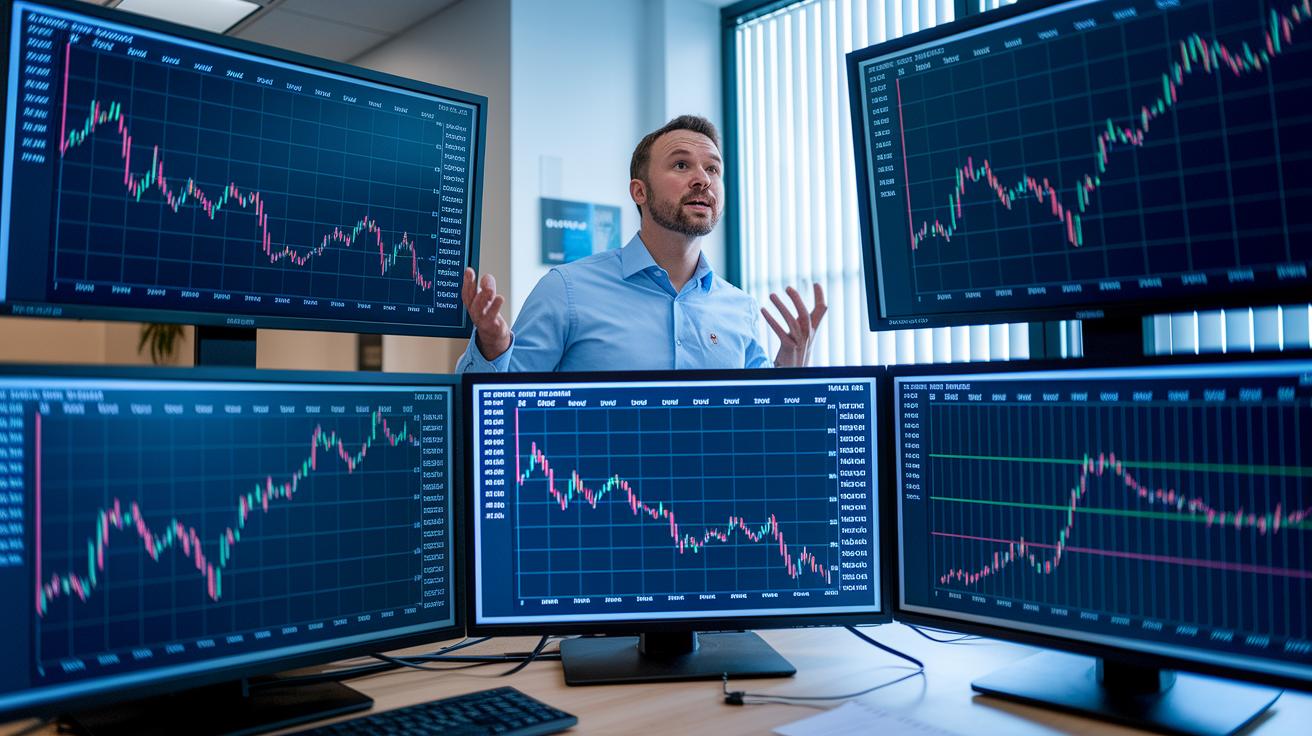
Forecasting plays a big role in understanding global markets. It turns old numbers into clear insights that anyone can use. By looking at past trends, experts can notice repeating patterns and new themes. This makes it easier to predict what might happen next. Think of it like reading the market’s diary, it tells a story that helps guide future moves.
Today’s markets are more complicated than ever, which makes reliable forecasting even more important. Experts now mix different types of data, like how people are shopping and big picture economic signals, to get better predictions. New tools let them run “what-if” scenarios, so they can plan ahead even when surprises pop up. Here’s a fun fact: before the digital age, forecasters used just a few key indicators on paper. Now, dynamic data streams create rich, detailed insights.
- Worldwide economic forecasting using big-picture global data
- Fiscal forecasting models built on past money trends
- Trend tools that check consumer habits, seasonal shifts, and social media chatter
- Data-driven methods that plan for different future scenarios
- AI-powered systems that sift through billions of data bits
- Real-time data feeds that offer instant insights
- Visual tools with easy-to-read charts, graphs, and maps that explain trends
Bringing AI and real-time data into forecasting makes a huge difference. With these tools, analysts can quickly adjust to new market signals. They use smart visuals and even create synthetic data to show trends so everyone can understand. This mix of past patterns with today’s live data gives us a clear and hopeful view of what’s ahead in the global market.
Macroeconomic Indicators for Predicting Global Market Trends

When picking which economic signals to watch, experts use a few key numbers that really capture the pulse of the economy. They often focus on inflation, GDP growth, the PMI (which shows how busy the factories and service companies are), the unemployment rate, and the consumer sentiment index. These numbers not only mirror today's market conditions but also hint at what might happen tomorrow.
And then there are the moves made by central banks, like tweaking interest rates or using quantitative easing (extra money pumping), which shape borrowing costs and overall business activity. By mixing these figures with insights from global markets research, investors get a clearer view of the road ahead.
| Indicator | Definition | Impact |
|---|---|---|
| Inflation Rate | Shows how fast prices for everyday goods and services are rising | Helps measure changes in buying power and living costs |
| GDP Growth | Tracks the overall increase in a country’s economic production | Signals market health and future investment opportunities |
| Purchasing Managers’ Index (PMI) | Gives a snapshot of business activity in both manufacturing and services | Helps predict economic slowdowns or boosts |
| Unemployment Rate | Represents the percentage of people looking for work but not finding it | Affects how much people can spend and the overall market vibe |
| Consumer Sentiment Index | Reflects how confident people feel about their future finances | Can indicate shifts in spending and saving habits |
| Commodity Price Indices | Tracks the prices of important raw materials and goods | Helps foresee price swings and inflation trends |
Investors keep a close eye on these measures by comparing what they show now with how things looked in the past. They rely on clear, visual dashboards and regular updates to adjust their strategies in a market that can change in an instant.
Political Risk and Geopolitical Factors in Global Market Predictions
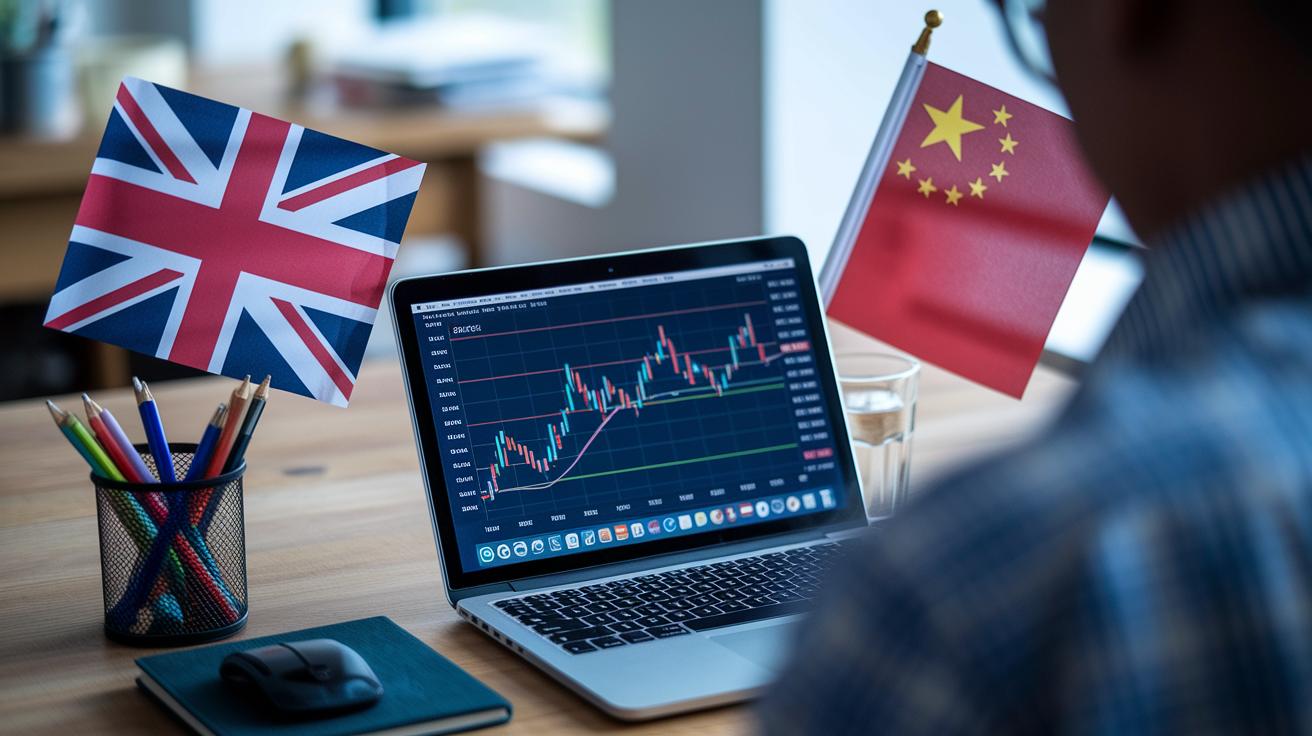
Recent events like Brexit and the US–China tensions have really shifted how people feel about the market. Tariff changes and supply chain hiccups can send ripples around global trade. This shows us that what's happening politically isn’t separate from the market. In fact, a sudden political move can flip a currency’s value or shift where money flows almost instantly.
Experts look at how stable a government is and whether its policies make sense when measuring political risk. They check on trade disputes between countries and review simple scores that tell how steady a nation’s economic plans are. This careful method helps investors spot risks before making big moves. And by keeping an eye on changes in trade agreements, they can even predict what might happen in different market sectors.
Investors lean on these tools to get ready for ups and downs. When political tensions rise, the market can react quickly, and that might mean you need to adjust your investments fast. Knowing that global politics can stir up market trends helps everyone plan strategies that steer clear of heavy losses. In short, understanding both political risks and world events gives you a clearer picture of where the market pulse might go next.
Emerging Markets Forecasting for Investment Scene Evolution

Emerging markets are bubbling with high-growth opportunities that are changing the global investment scene. Recent data is showing strong gains in sectors like fintech (using tech for financial tasks), digital services, and consumer goods. This research helps investors spot fresh opportunities as they happen.
These forecasting tools also shine a light on the digital economy, which is growing about 15% each year. By digging into detailed index data, market watchers can track shifts in market structure and identify which sectors hold the promise of strong future performance.
Consider the BRICS nations, Brazil, Russia, India, China, and South Africa, as an example. These countries are expected to maintain 6-8% GDP growth annually, a clear signal of emerging market potential. This steady performance shows how focused research on emerging indices can predict changes across various market sectors.
Investor sentiment matters, too. Recent surveys reveal that big investors are upping their allocations to emerging equities by around 20%. When you mix this growing confidence with the projected growth rates, it creates a handy guide for making smart investment choices and shaping the future investment landscape.
AI-Enhanced Prediction Systems in Global Market Trends

AI has completely changed how we look at market trends. It smartly cuts through piles of data, listening to voices, picking up clues in conversations, and quickly crunching numbers. It’s a bit like chatting with data; each exchange helps paint a clearer picture of what's happening around the world.
Today's tools aren’t just limited to numbers. They dive into surveys, interviews, and even video recordings to gather quick feedback. Some systems even go the extra mile by generating fake data and simulating buyer profiles. This keeps things accurate while protecting privacy. They mix big data with smart modules like quantitative investment analysis to run stress tests and simulate different market scenarios on the fly.
When it comes to real-time predictions, AI really shines. It lets experts model changes as they happen, so you can pivot your strategy in a heartbeat. With these tools, adjusting to new market signals becomes faster and easier. In the end, the mix of AI and big data gives us predictions that are both sharp and flexible, even in our fast-evolving digital world.
Scenario Analysis for Predicting Future Global Market Trends
Detecting when the market is about to pivot is really tough. Data often comes in late, and prices can shift in a heartbeat. Sure, signs like a flipped yield curve or a sudden spike in the volatility index may hint at changes, but nailing the exact moment is like trying to catch a shadow. This difficulty shows why we need smart systems that sift through wild data to sound early alarms.
Scenario models let us imagine all sorts of market moods – whether it’s a recession, a period of sluggish growth, or an unexpected boom. They give experts a chance to see how different portfolios might hold up under pressure. When you compare various simulated outcomes, you get clearer insights into potential dips or long-term trends, helping you adjust your strategy with a bit more confidence.
Experts always say it’s crucial to keep these models updated, scrub the data clean, and use simple visual charts for quick insights. Regular updates mean your models stay in tune with the latest market moves, while neat data cuts down on mistakes. And those clear dashboards turn tough, complex info into bite-sized insights you can easily use when making decisions.
Final Words
In the action, we reviewed forecasting tools, macroeconomic signals, and the twists of political risk, all essential bits for predicting future trends in global markets. We explored emerging markets' growth and how AI and scenario analysis sharpen our insight.
These techniques work together to give a clearer snapshot of market shifts. With each step, we build the confidence needed for timely, informed decisions. Keep pushing forward and make the most of every data point as you weather market changes.
FAQ
Predicting future trends in global markets 2025
The prediction for global markets in 2025 focuses on advanced forecasting tools and macroeconomic indicators, combining historical data with real-time insights for clear, actionable investment guidance.
Predicting future trends in global markets pdf
The information presented in PDF reports on future market trends uses robust trend analysis and AI-enhanced tools, offering detailed visual data and practical insights that help investors understand upcoming market shifts.
Predicting future trends in global markets 2022
The analysis for 2022 relied on historical data and integrated real-time trends, providing fundamental lessons that continue to shape today’s forecasting methods and offer a basis for understanding subsequent market behavior.
j.p. morgan market outlook 2025
The JP Morgan market outlook for 2025 considers key economic indicators and political risks, using quantitative models to deliver forecasts that assist investors in planning for potential market movements and shifts.
Stock market forecast next 6 months
The six-month stock market forecast is based on seasonal trend data and current economic signals, suggesting a mix of moderate gains and occasional volatility, which helps investors adjust their short-term strategies.
Global market outlook 2025
The outlook for the global market in 2025 merges AI-powered prediction systems with traditional analysis of economic indicators and geopolitical events, offering a broad view designed to inform strategic, data-driven investments.
Investment trends 2025
The investment trends forecast for 2025 highlights emerging market growth and digital economy sectors, driven by sentiment studies and updated fiscal strategies that point toward dynamic and data-backed opportunities.
j.p. morgan s&p 500 forecast 2025
The JP Morgan S&P 500 forecast for 2025 leverages quantitative investment analysis and macroeconomic signals to project performance metrics, aiding investors in balancing portfolio risk with potential market rewards.