


Ever notice how a rough patch in the market can sometimes hint at better days ahead? Lately, global shifts have had many investors rethinking their choices, much like selecting a familiar road in a foggy landscape.
Even though warnings and dips still raise a few eyebrows, there's a fresh wave of hope emerging. We’re going to dive into key signals and trends that show why many believe in a brighter future despite recent market turbulence.
Global Markets Investor Sentiment: Key Indicators and Trends

On October 10, 2025, the stock market took a sharp dip. The Nasdaq Composite fell by about 3.5%, the S&P 500 dropped roughly 2.7%, and the Dow Jones lost almost 1.9%. U.S. warnings about harsh tariffs on Chinese rare-earth exports stirred up a lot of uncertainty. It was kind of like being caught in a sudden downpour, you never see it coming, and it shakes your confidence.
Recent surveys and market mood indicators back up this change in sentiment. A Bank of America survey of 193 fund managers, who handle $468 billion in assets, showed that many are now opting for safer, defensive moves. At the same time, the CNN Fear & Greed Index slipped from 53 to 36, making it clear that investors are feeling less brave. It’s a bit like choosing a reliable car after a few bumpy rides; people are putting more trust in safety over high-risk gains.
- The VIX shot up past 18, signaling a rise in market uncertainty.
- The CNN Fear & Greed Index dropped to 36, showing that caution is high.
- Fund managers surveyed by Bank of America are taking a defensive stance.
- Many investors are shifting towards safe-haven assets like gold and silver.
Investor moods are clearly leaning towards caution. With the market still seeing a lot of ups and downs, many are focusing on strategies that protect their money. It’s like choosing a calm, safe route when you notice storm clouds gathering. This shift shows that investors are adapting as they seek more certainty and stability in their choices.
Global Markets Investor Sentiment: Bright Outlook
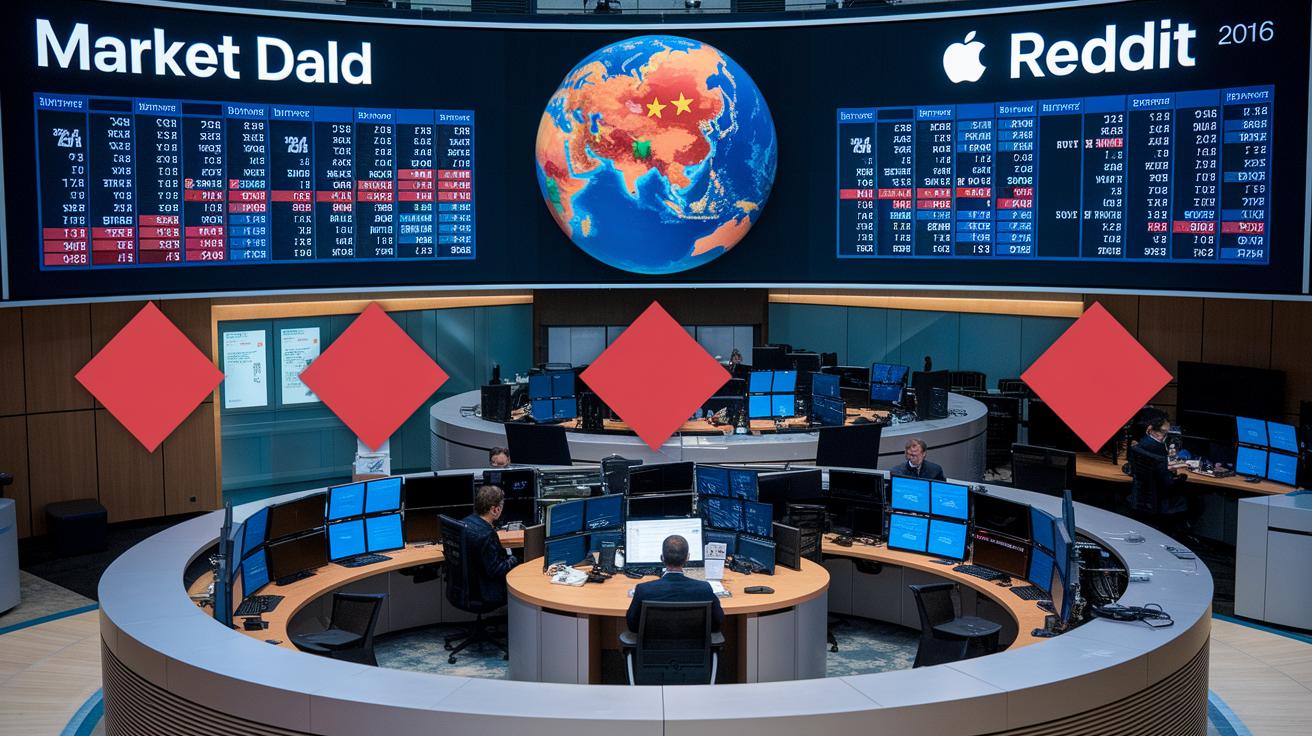
In developed markets like the United States, stocks took a bit of a hit in October 2025. The Nasdaq fell 3.5%, the S&P 500 slipped by 2.7%, and the Dow lost 1.9% after worries about tariffs on Chinese rare-earth exports. Even though these drops might seem worrying at first, many investors are still hopeful. They believe that strong government spending and fair stock prices could help the market bounce back, turning today’s ups and downs into chances for growth.
Over in emerging markets, things have shifted toward playing it safe. As China tightened its grip on rare-earth shipments, investors started pulling money from riskier assets. Many of them moved their funds into safer bets like government bonds and gold, which are showing more demand and better yields. While emerging markets may face rough patches in the short term, this careful move might set the stage for smart, steady investments once the uncertainty fades.
Looking at global money flows, we see a clear shift. Investors are moving their cash to places with a better balance of risk and reward. In developed markets, money is heading into sectors that show steady strength. Meanwhile, in emerging markets, strategies are being adjusted during these temporary setbacks. This change shows that investor feelings aren’t one-size-fits-all but adapt to local and global trends. All in all, even with some current jitters, many market players remain nimble and ready for new opportunities.
Economic Indicators Shaping Global Markets Investor Sentiment
Trade-policy shocks in late-2025 really rattled the markets. When the U.S. issued tariff warnings on Chinese rare-earth exports and China quickly imposed export restrictions, uncertainty shot up in mere hours. One trader said it felt like calm turned into chaos in just a minute, echoing our earlier analysis but adding a new twist.
Anticipated moves by central banks are also stirring the pot. Recent data suggests that upcoming changes in monetary policy might shift investor focus toward steadier rates and clearer guidance. One market observer remarked, "These policy shifts seem set to redefine the balance between risk and reward," hinting at lasting market changes.
At the same time, ongoing geopolitical tensions are mixing with new policy responses and putting steady pressure on market outlooks. Fresh data shows that disputes between major economies are reshaping risk in ways we hadn’t seen before. As one analyst put it, "This signals a need to plan beyond the immediate shock," reminding us that it’s wise to think long term.
Forecasting Global Markets Investor Sentiment Trends
When we forecast global market sentiment, we mix modern trend tools with real hands-on experience. Analysts pull from past data, today’s mood numbers, and computer predictions to guess what’s coming next. Some experts even compare today’s market pulse with previous cycles by checking charts and surveys about investor feelings. In short, by looking closely at both small details and big economic trends, we get a clearer view of the market’s mood.
Big economic shifts and world events play a huge role in shaping market confidence. Changes in U.S.-China relations and planned moves by the Fed can keep influencing investor sentiment well into 2026. Meanwhile, trends like companies localizing their supply chains keep things unpredictable, meaning even one big corporate event can have a big impact. For example, VF Corp’s $600 million Dickies sale, expected to close by the end of 2025, made waves across the sector. These real-world events help analysts fine-tune their outlook by tying financial news to how investors actually feel.
It’s also important to map out different scenarios based on possible policy shifts. Experts use trend forecasting methods to simulate outcomes that might come from new regulations or changes in monetary policy. They even plan for situations like increased U.S.-China tensions or shifts in global supply chains. Detailed projections like those in the Global Equity Market Trends Analysis help investors decide their next steps in a market that’s always on the move.
Investment Strategies Informed by Global Markets Investor Sentiment

When the market gets bumpy, many investors start playing it safe. They shift their focus toward defensive areas, like companies that earn steadily and even gold. It’s like having a safety net on a shaky bridge. One investor put it simply: "It’s like switching to a sturdy flashlight in a dark room." These signals remind us that protecting what we have becomes a top priority when risks are high.
Some companies are standing strong even when things get rough. Firms with solid balance sheets and multiple revenue streams are winning out when the market feels like a roller coaster. Investors are finding comfort by spreading out their investments and keeping a close eye on risks. Think of it as mixing different ingredients to build a balanced meal, each part helps keep the overall portfolio steady. This kind of approach can soften the blow from sudden market shifts.
Investors are taking these trends and adjusting their strategies to match what the market is saying today. It boils down to staying nimble and making moves based on real-time signals. Here are some practical ideas to consider:
- Defensive positioning: Put your focus on areas that tend to protect your money, such as gold and essential consumer goods.
- Portfolio diversification: Spread your investments across various asset types to help lower overall risk.
- Timing trades with sentiment metrics: Keep an eye on market signals and adjust your positions as the mood changes.
By using these methods, savvy investors can manage uncertainty better and feel more in control, even when the market gets unpredictable.
Final Words
in the action, we saw how market moves, survey feedback, and clear economic indicators shaped today's outlook. The blog took you from swift index changes and risk-off flows to forecasting twists driven by policy and geopolitical shifts.
Every point reinforces that global markets investor sentiment remains a key signal for making smart choices. The insights here aim to boost confidence and guide you toward effective market strategies.
FAQ
What does the global markets investor sentiment chart show?
The global markets investor sentiment chart shows how market moods are tracked using key markers like volatility measures and the Fear and Greed Index to reflect current risk appetite.
What is a global markets investor sentiment PDF?
A global markets investor sentiment PDF compiles charts and data on market mood into a downloadable report, offering a clear snapshot of trends in investor behavior.
What does global markets investor sentiment 2022 reflect?
Global markets investor sentiment 2022 reflects how investor emotions shifted during that year, highlighting changes in confidence and risk-taking amid economic events.
How does market sentiment today help investors?
Market sentiment today uses real-time data from various indicators to show the prevailing investor mood, helping guide decisions on portfolio timing and risk management.
What does the Fear and Greed Index indicate?
The Fear and Greed Index indicates investor behavior by balancing measures of caution and boldness, offering a quick insight into whether market sentiment leans toward fear or greed.
What is the role of the investor sentiment index?
The investor sentiment index aggregates surveys and market data to reveal overall market moods, which helps investors better understand prevailing attitudes for decision-making.