

Have you ever thought that computer algorithms might outsmart human traders? In algorithmic day trading, smart systems sift through loads of market data in the blink of an eye to catch those split-second opportunities. It’s like having a fast-thinking friend who makes choices in milliseconds, letting logic lead the way instead of feelings. These digital tools work with simple math formulas to decide when to buy and sell, which helps cut down on mistakes and ramps up efficiency. In this article, we break down winning tactics that keep trading clear, driven by hard data, and spot on.
Algorithmic Day Trading Fundamentals
Algorithmic day trading uses computer systems that follow set math formulas to decide when to buy and sell stocks. Think of it as a smart, digital brain that quickly sorts through heaps of market data and spots chances to make a profit. It’s like having a super-fast helper that finds good trading moments hidden in a sea of numbers.
The whole process works in milliseconds. That means the computer reacts almost instantly to market changes, so fast that it's hard for a person to even blink. This speed helps keep personal emotions out of the decision-making process, making the trades more precise and reliable.
Several key strategies drive these decisions, including mean reversion, momentum and trend following, arbitrage, and statistical approaches. In simple terms, these methods try to take advantage of repetitive price patterns and small, short-lived market gaps. By processing vast amounts of data quickly, these systems help traders stick to clear, data-driven plans without getting bogged down by gut feelings.
Core Algorithmic Day Trading Strategies

First, let’s chat about Mean Reversion. This strategy works on the idea that asset prices tend to drift back to their usual level over time. Imagine a stock dipping below its normal price, only to spring back later, kind of like hitting a reset button. It’s simple: if prices fall too low for a bit, they’re likely to bounce back.
Next up is Momentum and Trend Following. Think of this method like spotting a rising wave in the market. When you see a stock climbing steadily, you jump on board, hoping the trend carries on its upward run. It’s a bit like riding a wave, exciting and a smart way to make a timely decision.
Then there’s Arbitrage and Statistical Arbitrage. This one's all about taking advantage of small price differences between markets or between similar assets. Picture it as buying a stock where it costs a little less and selling it where it's a bit pricier. Traders use quick, number-based methods to find and act on these short-lived opportunities.
After that, we have the Weighted Average Price approach, which includes strategies like VWAP and TWAP. Here, large orders get split into smaller pieces, just like eating a meal in several small courses instead of one huge plate. This helps keep the market from noticing a huge order all at once, smoothing out price jumps.
Lastly, the Percentage of Volume strategy along with Implementation Shortfall is about breaking a big order into even smaller parts. By doing so gradually and matching them to the overall market volume, traders make sure there’s less of a gap between the decision to trade and the actual trade price. It’s like carefully pacing yourself in a busy trading session, steady and smart.
Backtesting & Paper Trading for Algorithmic Day Traders
When you're trading with algorithms, it's smart to test your ideas using past market data before risking real money. This kind of backtesting lets you see how your strategy might perform under different market conditions so you can tweak it with real confidence. Real-world examples, like studies from early August 2025 on TradeTron alternatives and top algo trading software in India, show both the bright spots and the pitfalls. They prove that simulated strategies can be a first step towards live trading, and they even let you check how super-fast systems handle rapid market changes.
Paper trading, which is basically mock trading, builds on that by letting you use fake money in a live market setting. Tools like the day trading simulator give you a safe space to play around with different market scenarios without any financial risk.
Here’s a simple way to get started:
- Gather solid historical market data that reflects a variety of trading conditions.
- Plug your trading algorithms into a backtesting setup.
- Create a controlled environment with advanced paper trading tools.
- Run mock trading sessions to see how your algorithm reacts to live market moves.
- Look at the results and fine-tune your strategy based on what you find.
Using backtesting and paper trading can really help cut down on mistakes and the stress that comes with live trading. They’re great for spotting what works and what doesn’t, but keep in mind that simulated results might not always match real-life trading. Always adjust your approach for the little quirks that come with the actual market.
Risk Control & Automated Exit Rules in Algorithmic Day Trading

Risk control in algorithmic day trading is like a digital safety net that watches over every trade. It uses automated rules to adjust risks based on the mood of the market, ensuring that each trade gets its fair check.
The main ideas here include using risk-on/risk-off approaches and tweaking trade sizes on the fly. Think of it like a scale that balances quickly when prices start to move fast, using tools that measure how volatile (or jumpy) the market is. Plus, traders use something called Implementation Shortfall to make sure the time between deciding and acting is as short as possible. It’s a bit like a pilot slowing down during turbulence.
Then, there are more advanced moves like inverse volatility trading and Black Swan Catchers. These play the role of shock absorbers, ready to soften any sudden, wild moves in the market.
Automated exit rules are equally important. They set clear stop-loss, take-profit, and time-based limits without waiting for a human touch. Imagine a thermostat that turns off the heat when the room gets too warm. With these exit rules in place, traders can stay calm and make choices based on the plan, even when the market gets choppy.
Implementing Algorithmic Trading Bots: Code & Infrastructure
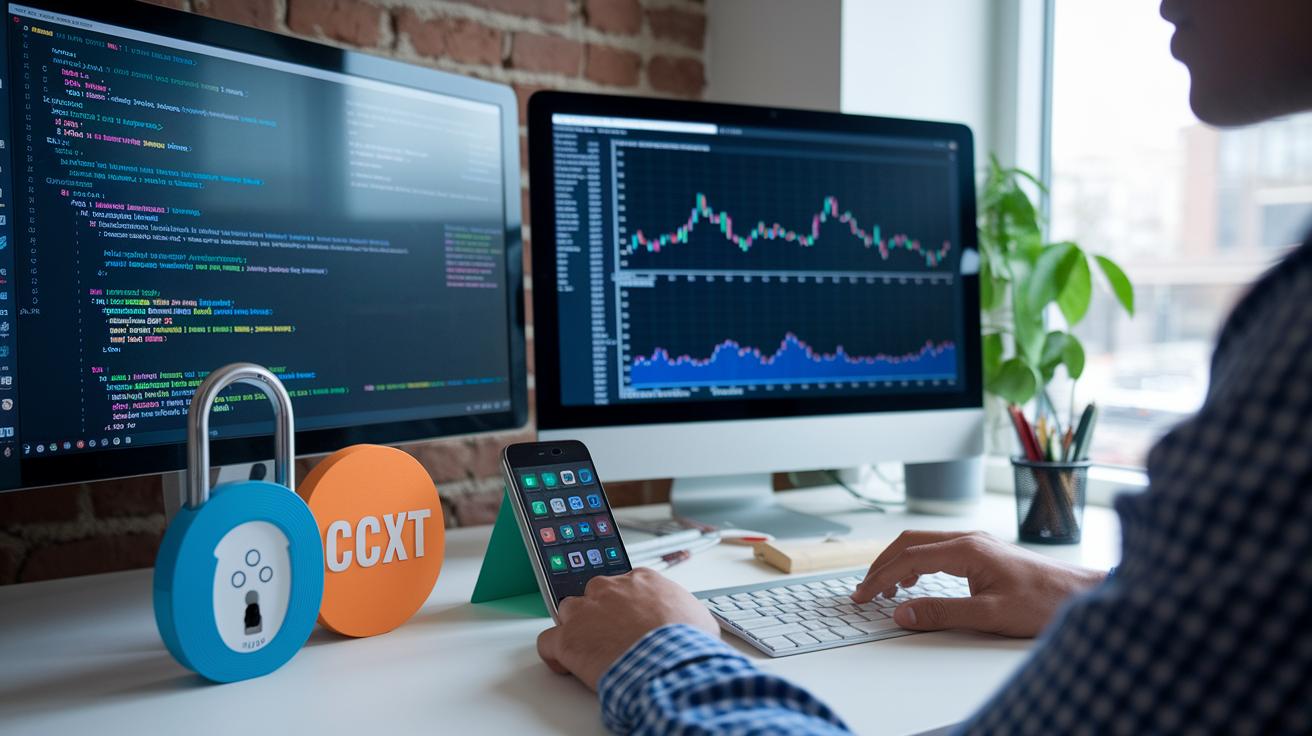
Building trading bots starts with creating software that's easy to use. Developers use popular Python libraries like pandas, NumPy, and ccxt to set up smart algorithms and handle large streams of data. The goal is a system that works on a fast network, letting it make split-second decisions in live trading. This method blends clever coding with solid debugging to keep errors in check.
Brokerage API Integration
Linking the bot to broker APIs is a major step in coding. This means setting up secure connections and logging in to trading platforms so that real-time data can be sent and received. Using Python libraries makes tasks like routing orders and tracking positions much simpler. Clear routines for handling errors keep the bot running smoothly even when surprises occur. In short, clean, straightforward code helps the bot trade quickly and effectively.
Cloud Deployment Techniques
Once the code is solid, the focus shifts to cloud deployment. Techniques like containerization and auto-scaling on cloud servers keep the bot efficient during busy trading times. Developers spread workloads using low-latency networks, which means each trade decision happens in a flash. Error handling built into the cloud setup also kicks in to catch and fix issues fast. This final step is all about fine-tuning speed and reliability, so the bot can seize every market opportunity, even down to the millisecond.
Platform Comparison & Feature Table for Algorithmic Day Traders

When you're picking a platform for algorithmic day trading, it helps to look closely at things like speed (or latency), API support (how well you can connect your tools), the quality of data feeds (live market info), and how much it costs. This quick guide gives you a friendly look at which option might work best for your trading style.
| Platform Name | Latency | Core Features | Cost |
|---|---|---|---|
| Falcon P-32 | Ultra-fast | Strong API integration and real-time data feeds | Moderate |
| Falcon F-37GT | Low (ms) | High-speed execution and advanced open source trade tools | Premium |
| F-1 BLUE ICE | Competitive | Reliable API support with built-in risk management | Affordable |
| F-1 ORION | Optimized | Effortless brokerage API integration and powerful data feeds | Competitive |
When you're looking at these options, notice how each one handles speed and API connections. Fast speed and clear API support are key to making quick trade decisions backed by live market data. And don't forget about the cost, you want a platform that packs a punch without breaking the bank. If you're on the hunt for the perfect day trading tool, check out platforms known as the "best day trading platform" for their mix of quick execution, steady reliability, and smart pricing. Happy trading!
Final Words
In the action, we explored the ins and outs of algorithmic day trading, from the simple mechanics behind automated trades to smart ways of controlling risk. The article walked you through strategy tips, backtesting, and even offered guidance on building trading bots.
We saw how real-time decision-making and systematic signal generation can boost your confidence. Keep experimenting with algorithmic day trading, and let each step power your progress toward smarter market moves. Enjoy the ride!