


Have you ever wondered if trading crypto could really boost your profits? It’s not like gambling. Instead, you learn to notice small price shifts and quickly ride those mini surges.
Crypto markets never sleep, so every moment holds a chance to earn. Think of it like catching a fast train: catch it at just the right time, and even small gains can add up.
In this post, we break down the basics and explore how making swift moves in digital currencies can help fire up your gains.
Day Trading Crypto Explained: Fundamentals and Market Dynamics
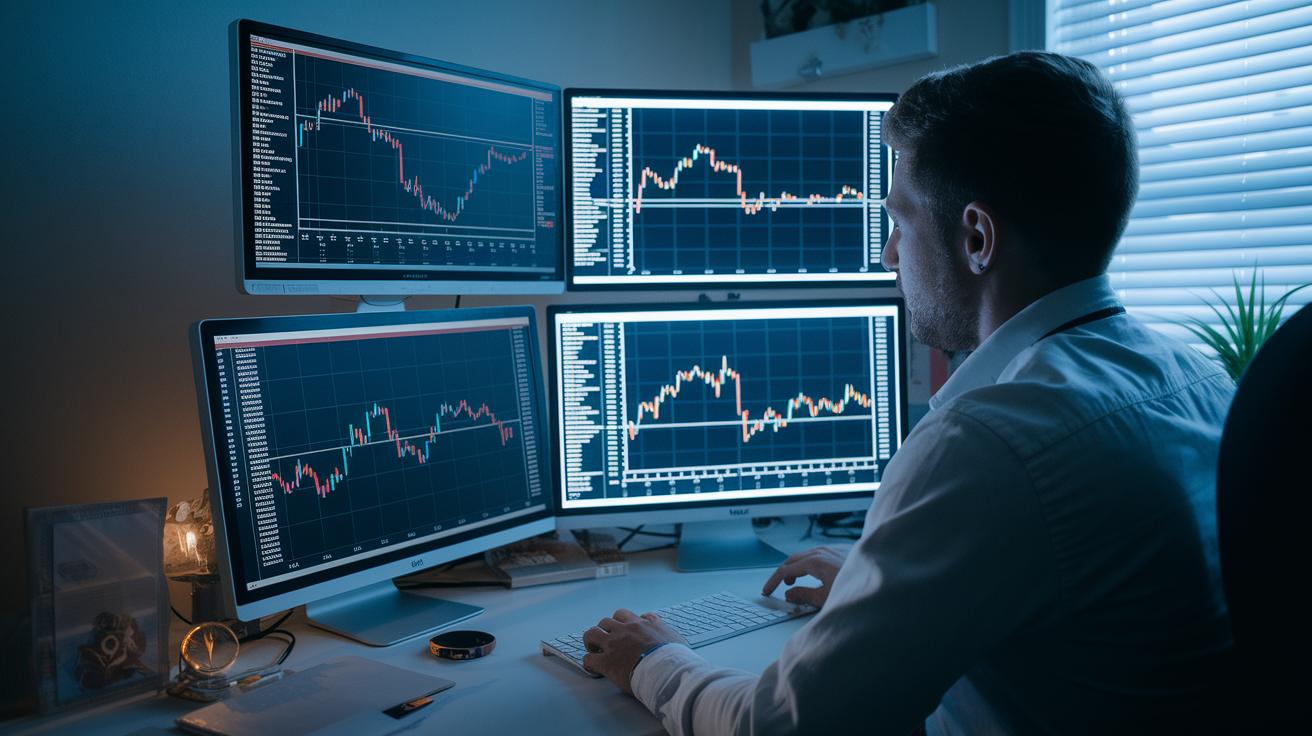
Day trading crypto means buying and selling digital currencies within a single day to snag a quick profit from small price jumps. Since crypto markets are open around the clock, you can trade anytime, this constant flow of opportunities lets you capture tiny gains repeatedly. For example, you might buy a coin when its price dips and sell it just as it bounces back.
Because the market never sleeps, you need to stay on your toes, kind of like watching the busy beat of a city street. The trick is to focus on coins with lots of movement and trading activity; smaller coins often swing sharply, offering enticing moments for a fast trade, while more stable coins barely budge, making them less ideal for quick profits.
Liquidity is key too. In simple terms, you want coins that can quickly be turned into cash or stablecoins. Quick funds mean you’re ready to act if the market shifts suddenly. Smart traders check things like recent trading volume, trend strength, and order activity, as if they’re a chef inspecting fresh ingredients before cooking.
By sticking to these fundamentals and keeping a close watch on every market signal, day traders can tap into crypto’s constant motion to their advantage, making split-second decisions that add up over time.
Top Cryptocurrencies for Day Trading Crypto

Crypto day trading is all about quick moves and smart choices. It’s like racing through a busy market, timing is key. For active traders, picking tokens with plenty of liquidity (how easily you can buy or sell an asset) and big fluctuations is vital. Big names like Bitcoin and Ethereum work like reliable engines, making it easier to jump in and out of trades quickly. You might grab Bitcoin when it dips a little and then ride the rebound for a tidy profit.
Then there are riskier tokens that swing wildly, perfect if you enjoy scalping. Tokens like Ethena, Pepe, and Monero can offer several small wins throughout the day. Imagine catching lightning-fast chances on a bustling trading floor, exciting and fast-paced, but you gotta stay alert.
Remember, a token’s market rank often hints at how stable and liquid it is. Lower-ranked tokens can handle big-volume moves without much slippage, while top-ranked ones might have more dramatic price shifts. Check out the table below for a simple look at each token’s market rank and volatility level:
| Cryptocurrency | Market Rank | Volatility Level |
|---|---|---|
| Bitcoin | 1 | Steady |
| Ethereum | 2 | Steady |
| Binance Coin | 5 | Steady |
| Solana | 6 | Active |
| Dogecoin | 8 | Active |
| TRON | 9 | Active |
| Chainlink | 12 | Active |
| Monero | 28 | High |
| Ethena | 30 | High |
| Pepe | 31 | High |
Core Day Trading Crypto Strategies

Scalping is a fast-paced strategy where traders aim to grab small profits in just a few minutes. They buy a coin when its price dips and sell quickly once it bounces back. Imagine spotting a brief drop and seizing the chance for a quick win. It’s all about swift moves and staying alert.
Momentum trading is a bit different. When a coin shows a steady climb or drop along with strong buying or selling activity, traders jump on board. Picture watching a coin pick up speed, it’s like catching a wave and riding it until it fades. This approach relies on noticing volume and trend signals.
Breakout plays come into action when a coin breaks free from key price levels, like important support or resistance marks, and does so on higher volume. Think of it as spotting a budding wave and riding it at just the right moment. These moves might be brief, but they can lead to big rewards.
Moving average crossovers, such as a 9/21 EMA setup, give clear buy or sell hints. When the shorter average moves above the longer one, it often signals a bullish (rising) trend. If it happens the other way around, it might mean a downturn is coming. This method helps traders decide when to jump in or out, keeping an eye on risk.
Together, these quick moves and solid signals offer traders a way to capture daily profit spikes with a clear and methodical approach.
Technical Analysis Techniques for Day Trading Crypto
Moving Averages and Crossovers
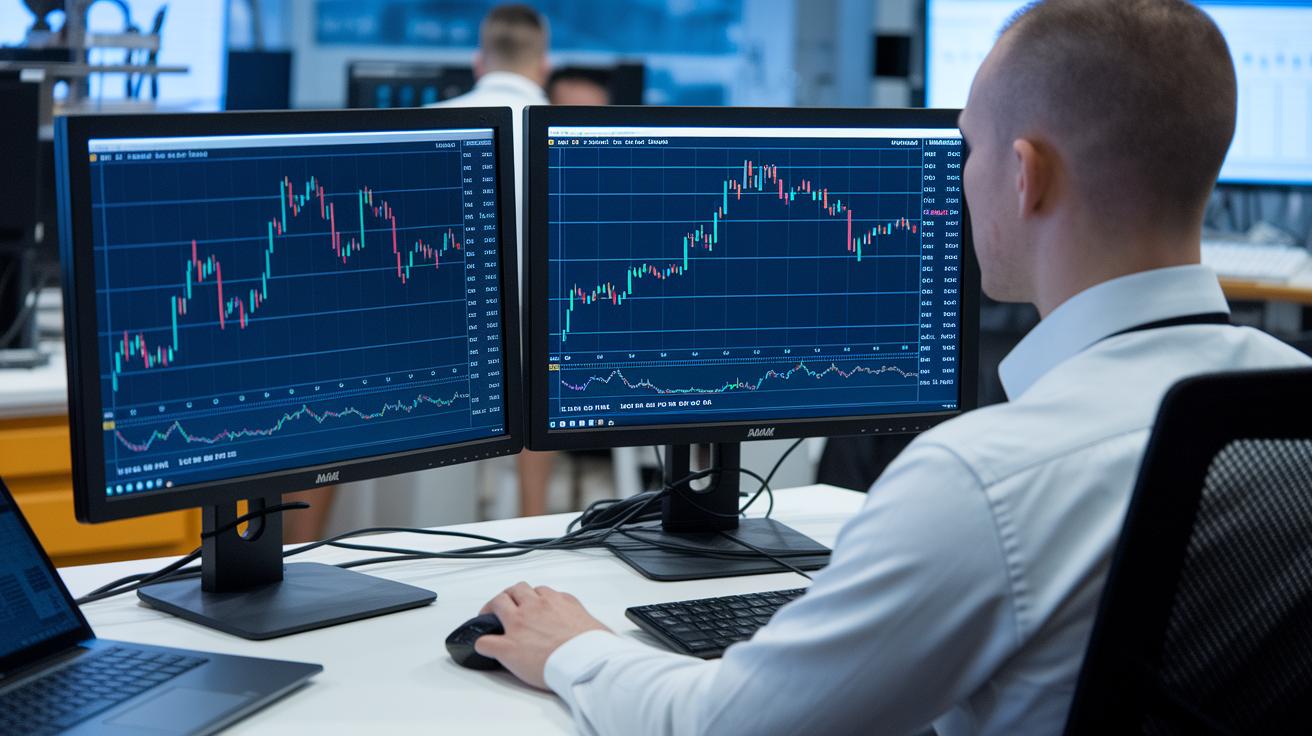
Imagine using moving averages like setting up a compass in a stormy sea. Traders often mix a fast-moving exponential moving average (EMA) with a slower simple moving average (SMA) to get a feel for the market’s direction. When the EMA slides above the SMA, it’s a quick hint that it might be a good time to buy. And when the EMA drops below the SMA, it could be a sign to sell. For example, a 9-period EMA crossing past a 21-period SMA can show that market momentum is shifting fast. This clear signal helps cut through market noise and makes making quick decisions a little easier.
RSI and Momentum Indicators
The relative strength index, or RSI, works like a handy tool to see if a coin is too popular or too ignored. When the RSI gets above 70, it might mean things are overbought, while a drop below 30 can mean they’re oversold. Watching these numbers is like checking the market's pulse, you know when it’s getting too fast or too slow. And when you throw in momentum indicators like MACD histogram shifts, you get extra confirmation. For example, if the MACD line crosses above its signal line, it backs up the RSI’s message and points to rising activity. It’s a bit like having a double-check on your gut feeling.
Bollinger Bands and Volatility Tools
Bollinger Bands are all about reflecting the market’s live ups and downs. Traders keep an eye on them for a squeeze, which might suggest a breakout is on the way, or when a price touches the outer band, hinting it might reverse. These bands are set using standard deviations from past price movements, so they adapt as the market changes. Picture it like a well-timed cue in a theater play, if the price taps the band and then turns around, it could signal an important turning point. It’s a tool that really brings market action into focus, just when you need it.
Risk Management Techniques in Day Trading Crypto

Using a fixed-percentage stop-loss is a smart way to keep your money safe. For instance, setting a stop-loss at 1–2% of your capital acts as a safety net when the market takes a sudden dive. It’s a basic rule in crypto risk management that keeps your losses small even if a trade turns against you.
Position sizing is just as crucial. It means deciding how much of your money to risk on a single trade. Think of it like making small bets rather than putting your entire savings on one play. This steady approach helps you ride out the market's ups and downs without stretching your finances too thin.
Leverage and margin can work in your favor or against you. They can boost your gains, but they can also make losses bigger. That’s why it’s important to calculate your maximum drawdown before you start a trade, knowing how much you’re willing to lose is key. When you stick to these clear, disciplined steps, you keep your trading decisions careful and balanced, even when the market is moving fast.
Comparing Crypto Exchanges for Day Trading Crypto

When you dive into crypto trading, it feels like stepping into a bustling market with so many choices. If you're into fast order fills and solid security, picking the right exchange can really boost your game. Binance leads the pack with strong liquidity (meaning it’s easy to buy or sell without affecting the price), low price shifts during trades, and handy trading bots that help for quick trades. Coinbase, meanwhile, offers a more rule-based, beginner-friendly environment where simplicity mixes nicely with useful tools. Kraken stands out with top-notch security and a wide range of API options that pros appreciate when they need to manage risk. KuCoin gives you access to a wide variety of smaller coins and lets you set up custom trading methods. And Crypto.com makes an impression with low fees and a smooth mobile app that lets you handle trades anywhere.
When you’re comparing these platforms, keep a few key points in mind:
- Liquidity and slippage rates: Choose exchanges with deep order books so that large trades don’t push the market around too much.
- Spot and derivative fees: Look at fee details to keep your trading costs low when you trade often.
- Security protocols and insurance: Pick exchanges that add extra safety features to protect your money.
- Order execution speed: Fast confirmations are a must in a fast-moving market where even split-second delays might matter.
- Asset variety and bot integrations: Find a platform that offers a broad selection of coins and supports automated tools to suit your trading style.
Considering these points along with each platform’s unique strengths can help you pick the best match for your day trading strategy. Happy trading!
Execution Tips and Order Types in Day Trading Crypto

Market orders fill your trade immediately, which is a big plus when every second matters. They get the job done fast, but if the market’s a bit wild, you might experience slippage. This is when the price you get isn’t exactly what you planned, imagine buying a coin and paying a little extra during a quick move.
Limit orders let you choose your own price for buying or selling. Think of it like picking the perfect moment to jump into a race, timing really is everything. This approach helps you stick to your plan and can boost your profit margins by keeping surprises at bay.
Stop orders work as an extra safety measure. They kick in automatically when the price hits a level you’ve set, kind of like a safety net that protects your gains or limits your losses if the market swings unexpectedly.
Also, it’s vital to monitor the speed of execution and the depth of the order book. In day trading, even a little delay can mean missing out on a chance or only getting part of your order filled. Keeping an eye on latency is key to a smooth trading experience.
Final Words
In the action, we explored day trading crypto from its underlying fundamentals to picking top tokens that suit rapid trades. We unpacked strategies like scalping and momentum, shared technical analysis tips, and tackled risk management with clear guidelines. We also took a close look at exchange features and order types to boost precision in volatile conditions.
Keep this roadmap in mind to build confidence while turning market data into clear, actionable insights. Stay curious and ready to seize your next trade opportunity.
FAQ
Q: What does day trading crypto mean for beginners on Reddit?
A: The term “day trading crypto” for beginners on Reddit means buying and selling digital coins on the same day to profit from quick price changes. It’s an active strategy where community tips mix with personal analysis.
Q: Is day trading crypto profitable and worth the effort?
A: The idea of profitability in day trading crypto hinges on skill and risk management. Many traders find it rewarding during volatile market swings, yet success depends on thorough strategy and steady discipline.
Q: Which cryptocurrency is most volatile for day trading?
A: The term “most volatile crypto” points to coins with rapid price swings that suit quick trades. These assets typically come from smaller market-cap tokens that display sharp moves but require careful liquidity checks.
Q: How does day trading crypto differ from stocks?
A: Day trading crypto differs from stocks by operating 24/7 with higher price swings. This nonstop market offers fast opportunities yet carries elevated risk compared to traditional stock trading, which follows set exchange hours.
Q: Can I make $100 a day trading cryptocurrency?
A: The idea of earning $100 a day with crypto trading depends on market conditions and trading skill. Some traders achieve this target consistently, but many experience variable results, making risk control essential.
Q: What are the best cryptocurrencies for day trading?
A: The best day trading crypto often include high-liquidity and large-cap coins like Bitcoin and Ethereum, along with select volatile tokens. These assets offer deep order books and frequent price changes that can match varied strategies.
Q: How do crypto day trading taxes work?
A: Crypto day trading taxes require reporting each trade’s profit or loss. Traders must keep detailed records and consult tax professionals to calculate taxable gains accurately and comply with local tax regulations.
Q: How much can I earn day trading with $1000?
A: With $1000, profit potential in day trading crypto depends on trade frequency, market swings, and individual risk management. While gains may be modest initially, consistent, disciplined strategies can gradually improve returns.
Q: What should I consider when choosing crypto exchanges like Coinbase or Binance?
A: When picking an exchange, look for strong liquidity, competitive fees, solid security, fast execution, and a good range of assets. Each platform, from Coinbase’s ease of use to Binance’s low fees, offers unique advantages.