

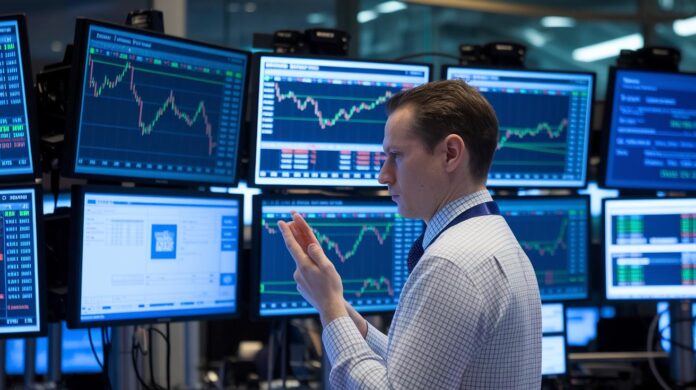
Have you ever noticed how even a tiny change in money can shake up the whole world? Small market moves can create ripples that touch everything, from your local store to big international trade. Supply and demand, government decisions, and shifts in job trends all add up to these changes. In this piece, we break down how these little shifts team up to steer economic currents and reshape global markets. It turns out their impact is much stronger than it seems at first, sparking surprise moves in the market.
Core Drivers of Currency Fluctuations in Global Markets

Currencies change value as simple market forces like supply and demand, economic growth, government moves, inflation expectations, money flows (capital flows mean how money moves between countries), and job trends shift around. Every trade adds a kind of heartbeat that can quickly lift or lower a currency's value, connecting local conditions with global financial moods.
Central banks also shake up the market with their actions. They might raise interest rates or use tools like quantitative easing (a method to boost money supply by buying assets) to influence how much money is out there. When banks make these moves, they can push a currency's value up or down, which then ripples through everyday business and long-term economic plans. It’s like watching the market respond to a sudden breeze, swift and visible.
- Supply & demand changes
- Growth differences between countries
- Policy adjustments
- Shifts in how inflation is seen
- Swings in money moving between markets
- Trends in employment
Understanding these main factors helps businesses and investors tweak their plans. Even one small change in any area can create waves in the market, reminding us just how connected a country's inner workings are to its standing around the world.
Trade Destabilization Effects in Global Markets

When currency values shift, companies involved in trade can feel the effects almost immediately. Imagine a country’s money value changing, businesses that export raw materials might see their profits shrink, while those that import face steeper costs. For instance, a Singaporean firm might watch its profit margin dip from S$7 million to S$6.5 million if the Singapore Dollar falls against the Malaysian Ringgit. This change often forces businesses to rethink prices and renegotiate contracts, which in turn shakes up the whole trade scene.
A strong local currency can actually hold companies back from competing overseas. It can slow growth and even reduce job opportunities in sectors that rely heavily on exporting. On the other hand, when a currency weakens, higher costs for imported goods might lead to less demand and tighter budgets. In a nutshell, these trade destabilization effects demand constant vigilance and quick strategy shifts from businesses to keep up with the unpredictable swings in exchange rates.
| Scenario | Exchange Rate Change | Impact |
|---|---|---|
| Export Revenue Challenges | Weakened domestic currency | Profit margin falls from S$7M to S$6.5M |
| Import Deficit Spillovers | Strengthened domestic currency | Higher import costs stifle growth and job creation |
Investment Environment Turbulence in Global Markets

When currencies swing wildly, it can shake up a company’s money flow. A sudden drop in a currency’s value can shrink foreign earnings, which means companies might have to rethink their overseas investments. And when the local currency gets too strong, it can hurt exports because products cost more for folks abroad. So, asset managers and firms need to watch exchange rates closely and tweak their investment mixes as the market changes.
Imagine a business that sees its profits dip in one region while another region looks strong. Such shifts push managers to spread funds across different currencies to keep risks in check and returns steady. Think of it like putting too many eggs in one basket, if that basket falters, yields fall and costs rise. In these times, adjusting the portfolio isn’t just smart; it’s necessary for growing steadily.
Firms often note down a few big worries like:
| Issue | Impact |
|---|---|
| Currency drop | Foreign income shrinks quickly |
| Strong local currency | Exports become less competitive |
| Shifting fund flows | Investors reassign money based on regional strength |
They turn to hedging and rebalancing strategies, sometimes even moving to more stable segments, to sidestep potential losses. This constant review and reallocation of assets is what keeps portfolios resilient, even when global markets send a few unexpected jolts their way.
Macroeconomic Rate Imbalances & Systemic Shock Potential in Global Markets
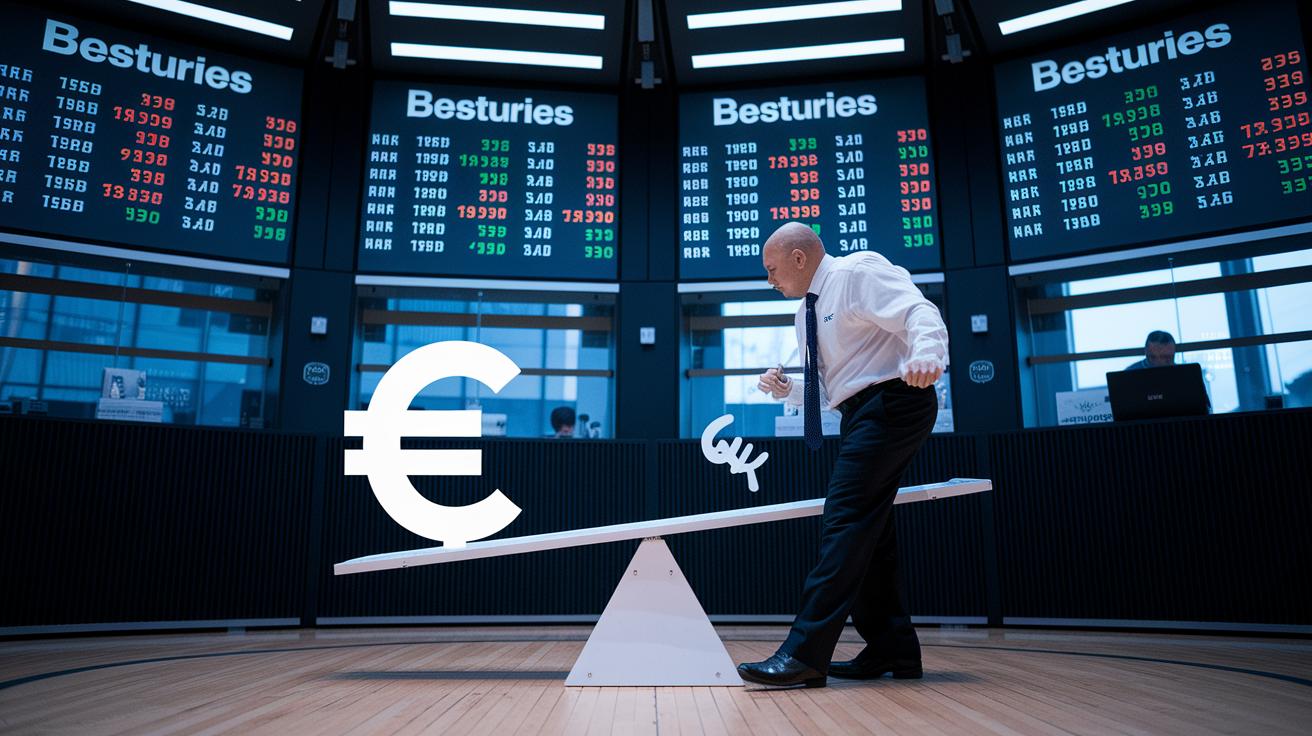
Exchange rates move because of many forces like inflation, changes in central bank policies, political events, and simple supply and demand. When interest rates go up to slow down inflation, a currency can become stronger, which can affect other countries too. On the flip side, measures like quantitative easing (when a central bank buys assets to boost money flow) can lower a currency’s value. It’s like balancing on a seesaw, small changes might hint at bigger issues down the road.
This ever-changing scene can set off what we call systemic shocks. Sometimes, rules set to steady one corner of the economy can accidentally twist liquidity (the ease of buying or selling an asset) worldwide. Tools like fixed exchange rate systems, pegging currencies, or controlling capital flows are meant to smooth out bumpy rides. But if the market suddenly shifts, these same tools might spark mismatches in liquidity and add stress to the system. Basically, short-term fixes can end up causing long-term ripples across financial markets.
Governments and central banks are always tweaking their plans as things change. They know that even though their moves can calm the economic waters, they might also light a fuse for sudden swings in the market. It’s a tough line to walk, trying to steady things now without causing unexpected jolts later.
When these shocks hit, they might force investors to quickly re-balance their portfolios, shift money in new directions, and pressure businesses to find fresh financing. The tug-of-war between government tools and market reactions shows just how connected world economies really are. Understanding these triggers is crucial for anyone, whether you’re an investor or running a business, to navigate the ups and downs and lower potential risks.
Susceptibility of Emerging Markets to Currency Fluctuations in Global Markets

Emerging markets that bank on exporting raw materials or rely on money from abroad really feel the strain when their currency drops in value. A weaker currency means they pay more for imported energy and raw materials, which can quickly drive everyday costs up and push inflation higher. And as these import bills rise, any debt these governments have becomes more expensive, putting a heavy toll on their budgets and overall economic health.
Then there’s the issue of money suddenly leaving the country. When capital flows out fast, it can worsen budget gaps and throw local financial systems off balance. Think of it like a domino effect that makes these economies more fragile. Here’s a quick breakdown:
| Factor | Impact |
|---|---|
| Reliance on commodity exports | Leaves them open to big price swings |
| Heavy borrowing from abroad | Increases the burden of repaying debt |
| Higher costs for imports | Leads to faster inflation |
| Rapid outflow of investments | Worsens funding gaps |
Every one of these points is linked, making these markets extra sensitive when their money loses value. It’s a chain reaction where rising costs and more expensive debt can even push these economies toward a recession.
Policy Responses & Hedging Strategies for Currency Volatility in Global Markets
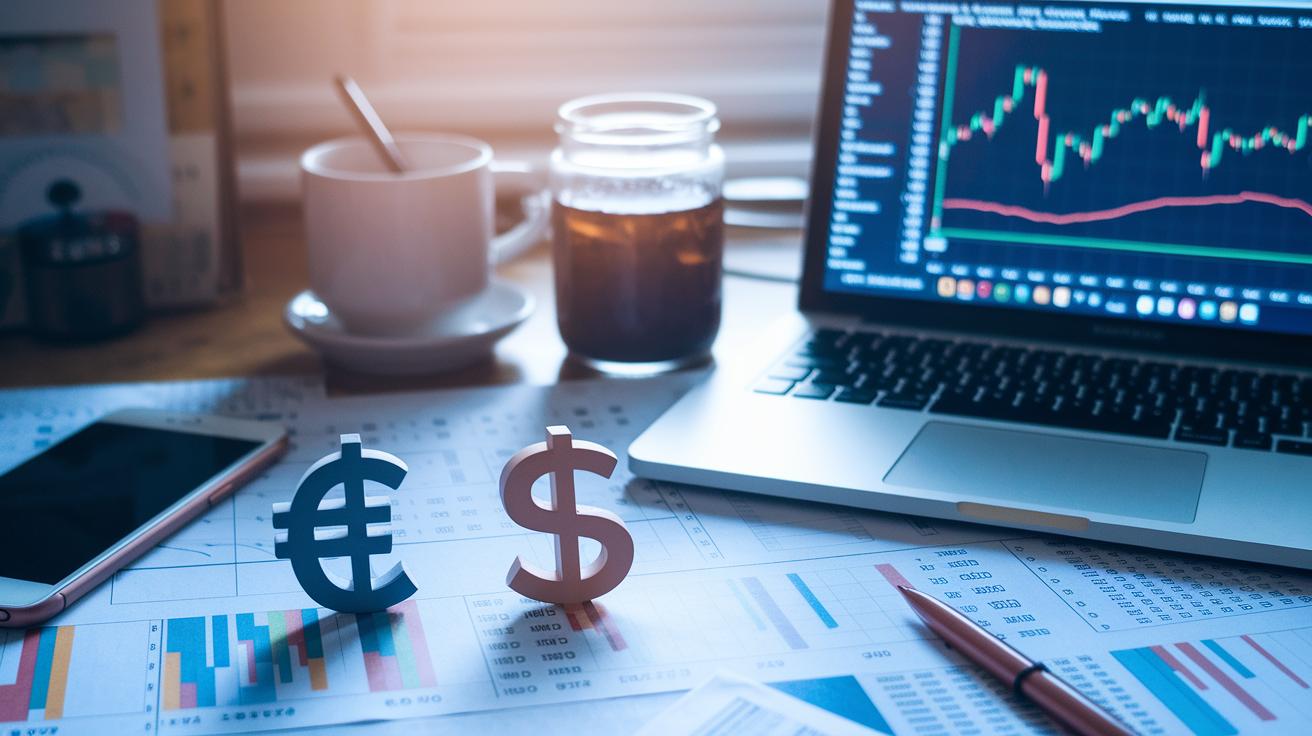
Firms take practical steps to tame currency swings. They lock in exchange rates with forward contracts and options, which means they secure today’s rate for future deals. It’s like saving a sunny day in a jar for when clouds roll in. Plus, companies often set aside an extra 3–5 percent in their budget to deal with unexpected rate changes. This way, they keep things running smoothly even if the market gets rough.
Technology also plays a big role in managing currency volatility. Companies now use multi-currency platforms that blend real-time rate feeds with banking systems, cutting down on mistakes and speeding up transactions. They often partner with local finance experts to stay updated with changing regulations and local practices. This mix of tried-and-true policy tools and modern technology minimizes risks and supports smart planning.
Firms regularly review their strategies to manage threats. They check the impact of speculative trading and use arbitrage assessments (buying low, selling high) to fine-tune their approaches. For instance, a company may decide to test whether extra options could offer further protection, picture a chef tasting a sauce to see if it needs a pinch more salt. Such flexible practices keep businesses balanced, even when market turbulence hits.
Final Words
In the action, this post broke down how exchange rate swings come to life, from supply and demand to central bank moves and trade challenges. We explored how shifts affect portfolios, emerging markets, and even systemic pressures.
The discussion wrapped up with ways to hedge against risk and adapt strategies. By understanding these factors, you can better manage the impact of currency fluctuations in global markets and make choices that keep you moving forward with confidence.
FAQ
What does the impact of currency fluctuations in global markets PDF explain?
The PDF details how currency changes affect global markets by showing how exchange rates influence trade, investment, and economic stability through factors like supply and demand and government policies.
What does a negative impact of currency fluctuations in global markets mean?
A negative impact means that unfavorable shifts in exchange rates can raise costs, lower profit margins, and create unstable conditions for businesses and economies, requiring careful risk management.
How does the impact of exchange rate fluctuations affect international business?
Exchange rate fluctuations affect international business by altering the cost of imports and exports, which can squeeze profit margins, change pricing strategies and force companies to adjust their financial planning.
What is a currency fluctuation example?
A currency fluctuation example is a domestic currency weakening against foreign currencies, which increases the cost of imported materials and reduces export competitiveness, influencing overall profitability.
What are the effects of fluctuations in foreign exchange rates?
Fluctuations in foreign exchange rates can cause revenue variability, shift profit margins, and alter pricing for goods and services, challenging both businesses and economies with unexpected financial impacts.
How do currency fluctuations impact business operations?
Currency fluctuations impact business operations by changing the cost base for imports and exports, requiring companies to use hedging strategies and adjust budgets to protect their profit margins.
How can currency fluctuations be used strategically?
Currency fluctuations can be used strategically to hedge against risk, secure favorable exchange rates, and optimize trade deals, allowing businesses to manage financial exposure and improve overall market performance.
What is the impact of exchange rates on the economy?
The impact of exchange rates on the economy shows up in trade balances and price levels; shifts in rates can increase import costs, affect export earnings, and influence overall economic growth.
How does currency fluctuation affect global trade?
Currency fluctuation affects global trade by altering export competitiveness and import costs, causing shifts in market demand and profit margins that push companies to adjust pricing and risk strategies.
Why is currency fluctuation important in global marketing?
Currency fluctuation is important in global marketing because it influences pricing strategies, consumer demand, and profit margins, requiring companies to adapt marketing efforts in response to shifting exchange rates.
What are the effects of exchange fluctuations overall?
The effects of exchange fluctuations include revenue volatility, profit margin changes, and adjustments in trade pricing, all of which compel companies to implement risk controls and financial safeguards.
How do global companies handle currency fluctuations?
Global companies handle currency fluctuations by using tools like forward contracts, options, and multi-currency platforms, along with building budget buffers to maintain stable financial performance amid market changes.